
Medical Research
Medical Device Enclosures Toolless Has Built Since 1994
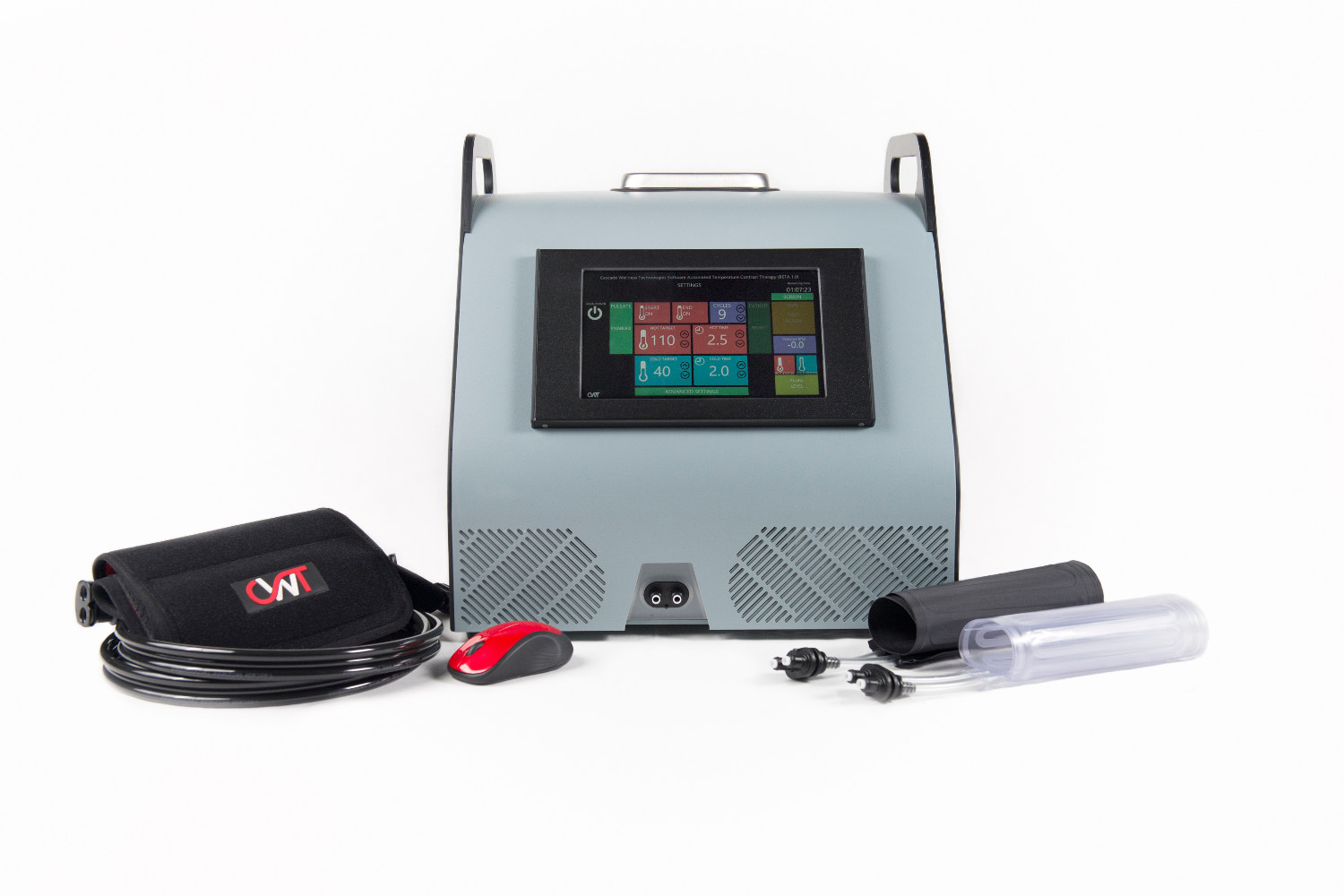
Sleep diagnostics, CPAP, surgery-room and treatment devices, and 500 Ford ventilator housings in two weeks: what each medical category asks of a housing.
Read articleMedical Research
Materials, design rules, industry guides and shop news from Everett, Washington. 14 articles and counting.
Sleep diagnostics, CPAP, surgery-room and treatment devices, and 500 Ford ventilator housings in two weeks: what each medical category asks of a housing.
Read article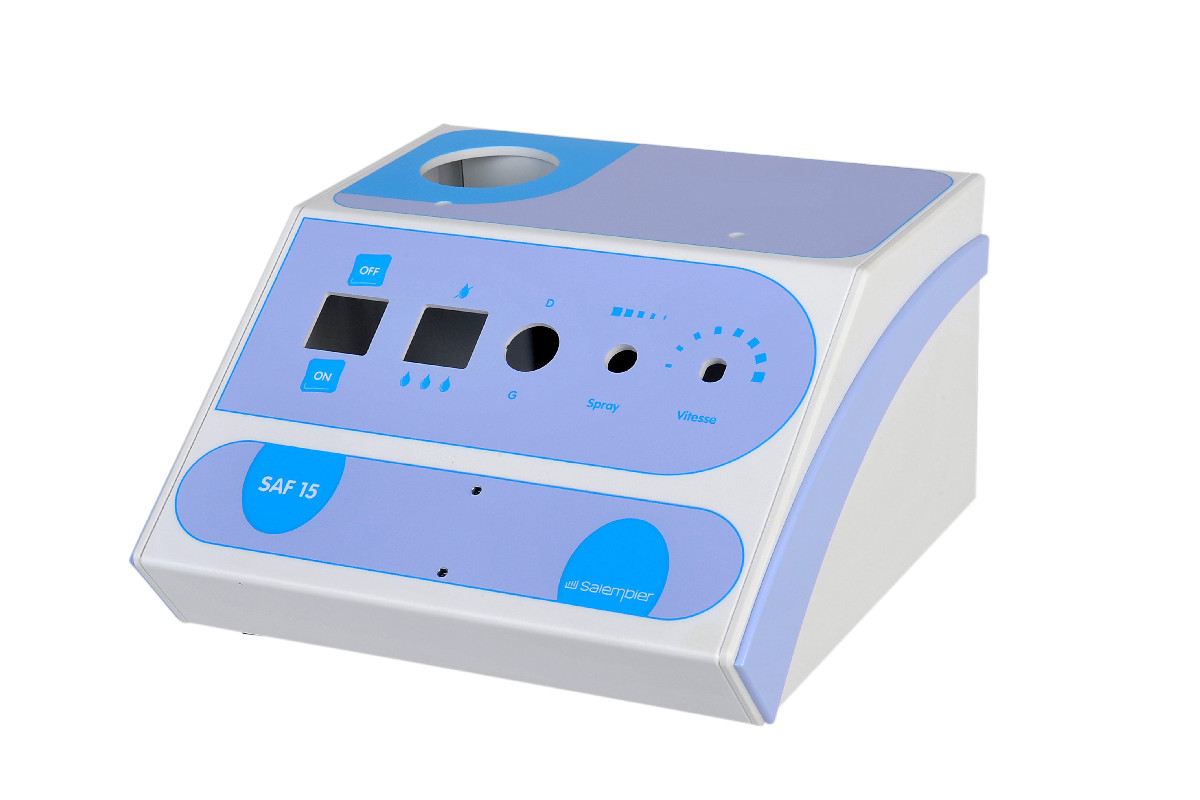
Seam placement, fastener heads, printed labels, battery and filter doors: how to design a medical device housing for daily wipe-downs and field service.
Read article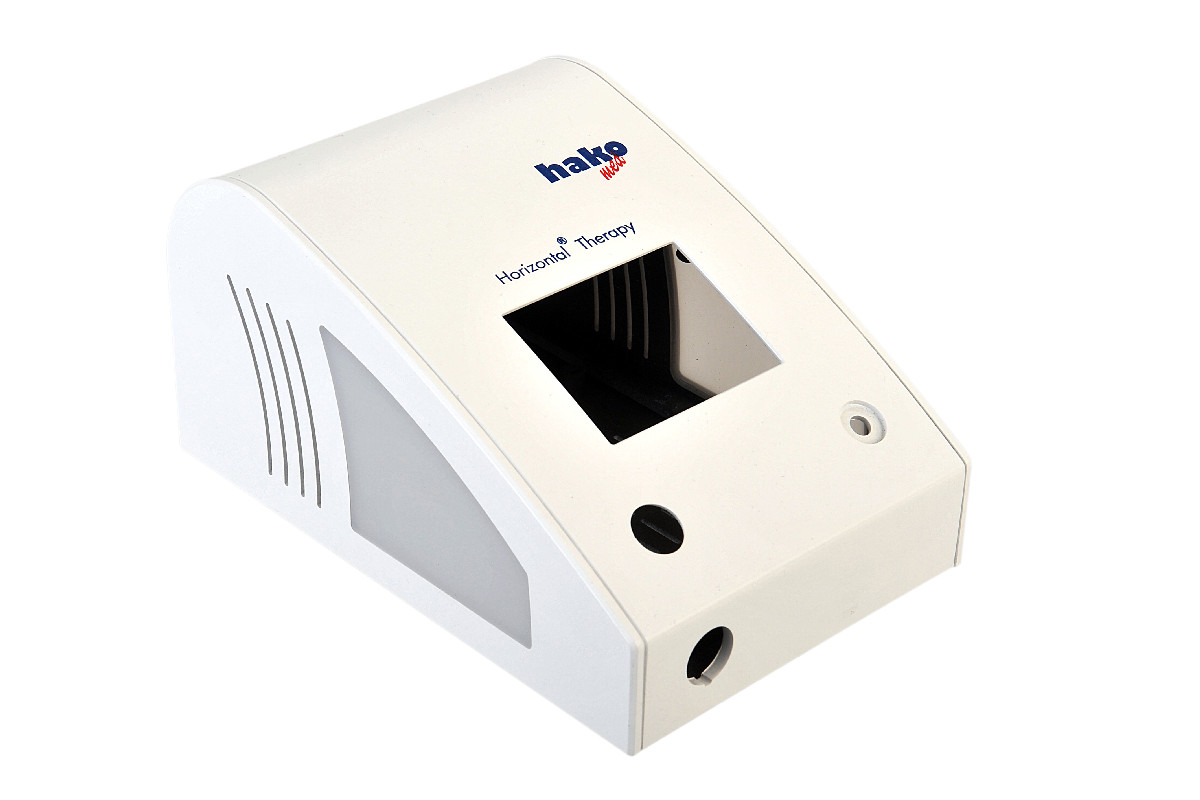
ABS, FR ABS, Boltaron 4335, polycarbonate, PETG and acrylic for medical housings: UL 94 ratings, strengths, cautions and how to test your disinfectant.
Read article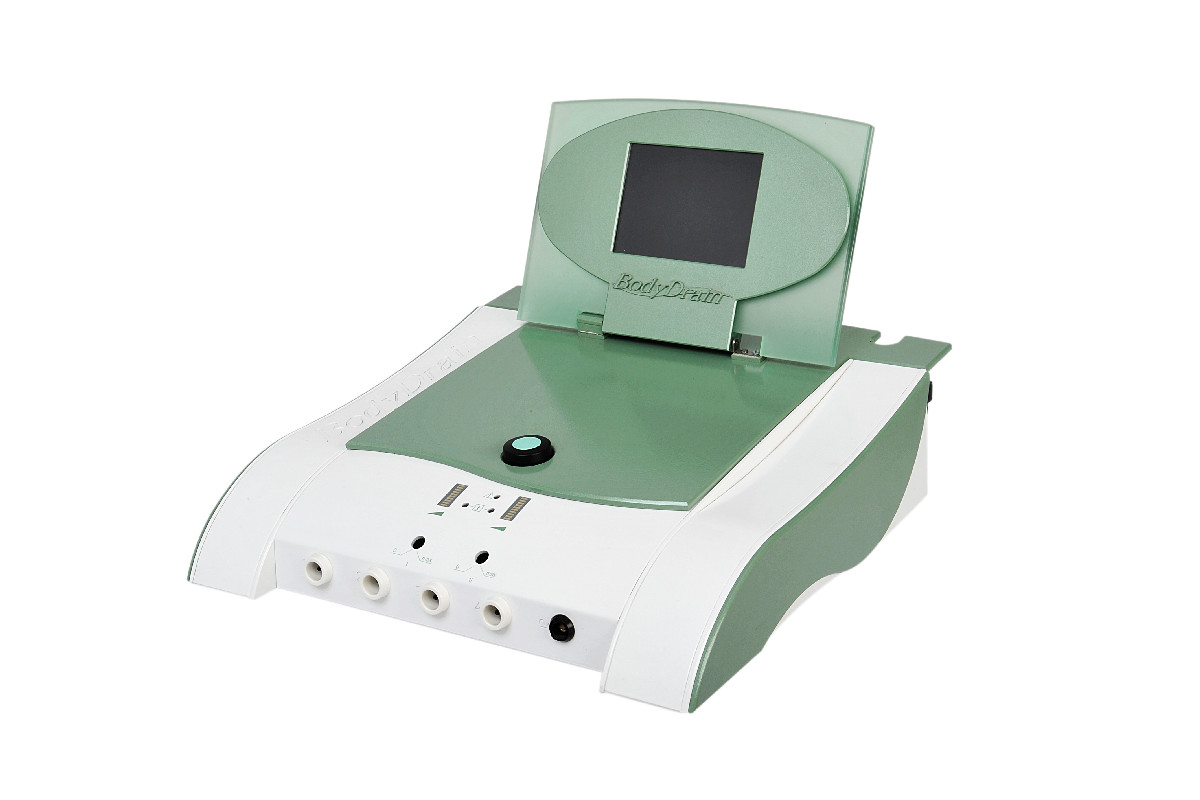
What IEC 60601-1 asks of a medical device housing: live-part access, push, impact and drop tests, V-0 sheet, openings, durable markings, EMC and IP code.
Read article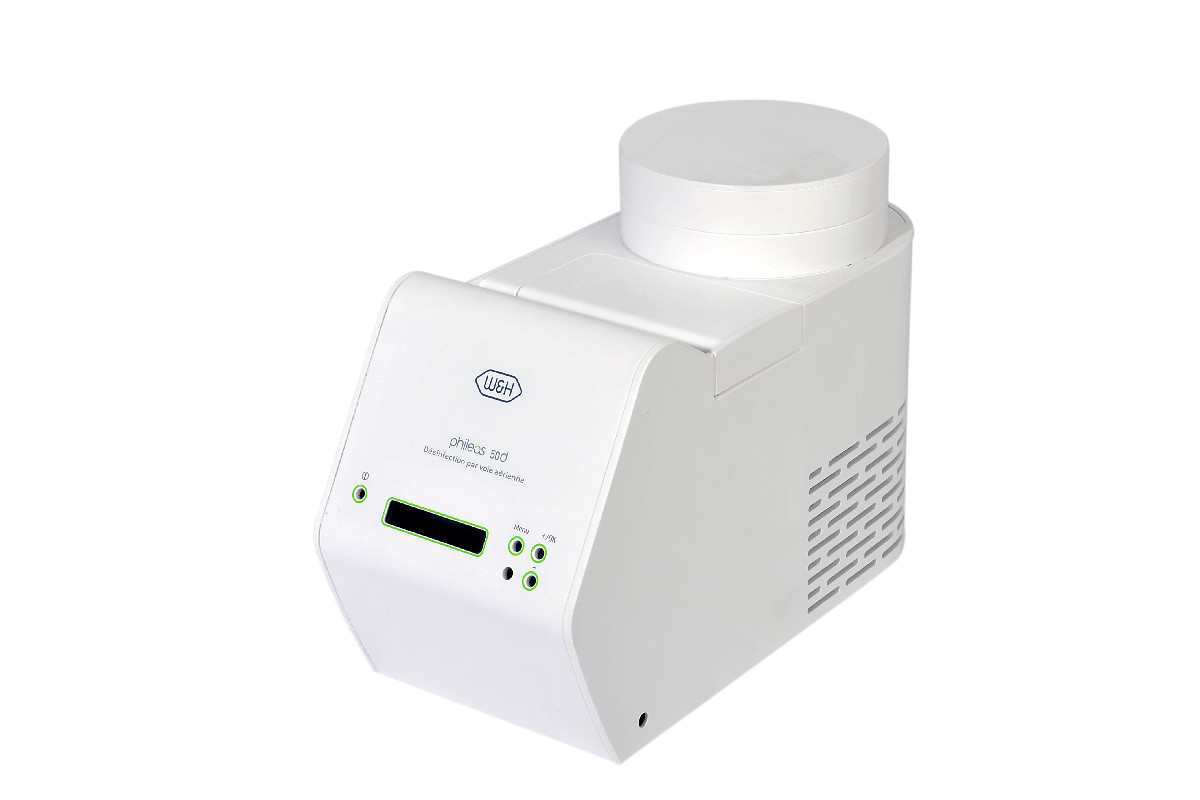
Home use, onboard radios, stronger disinfectants and smaller batches: what each shift in medical electronics asks of the housing, and how to design for it.
Read article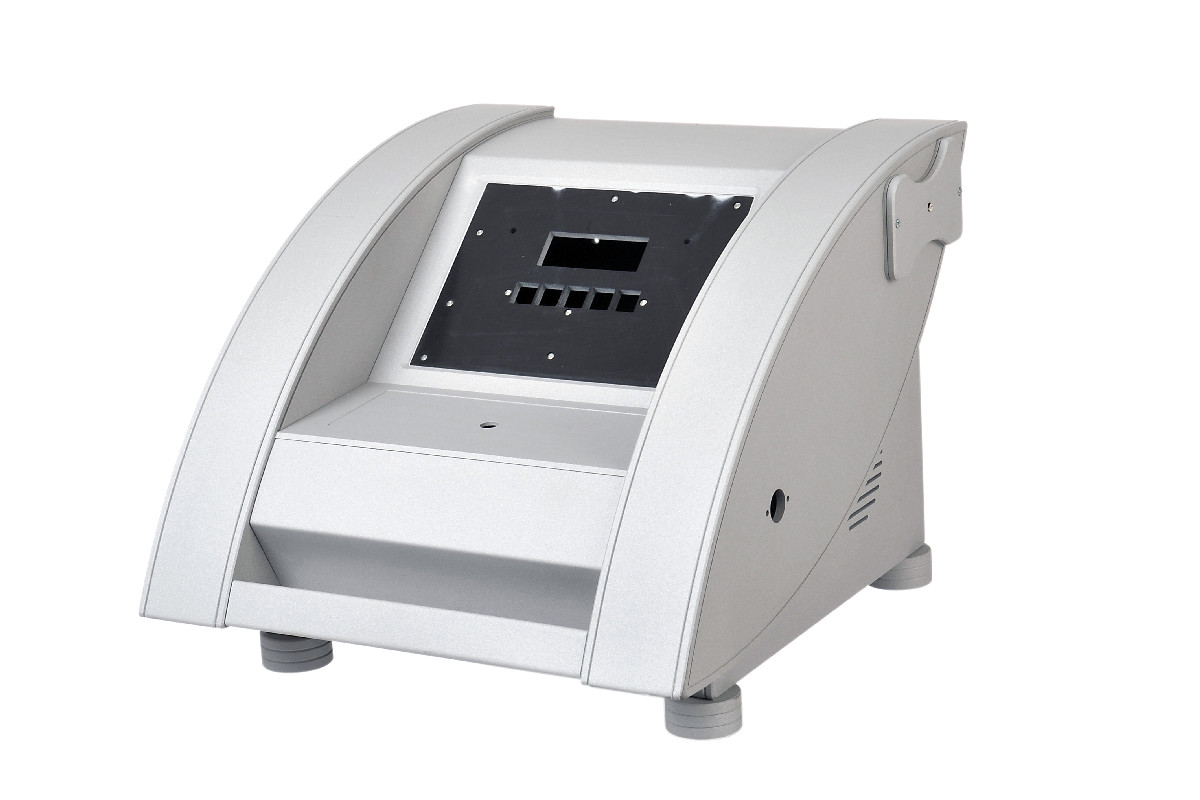
No mold to scrap, batches sized to demand, replaceable panels: where a fabricated medical housing cuts waste, and why biodegradable plastics rarely fit.
Read article
How a custom enclosure is priced with no mold: setup charge, quantity breaks, revisions and cost drivers, plus a checklist for the grant budget line.
Read article
Shop rules for a bent and bonded research instrument housing: inside dimensions, 115° bends, bosses under 9 mm, 2 mm vent slots and where seams belong.
Read article
Laying out a benchtop lab instrument housing: cable depth behind the box, front or rear connectors, display angle, recessed feet and wipe-down surfaces.
Read article
How a research equipment housing keeps fingers off live parts: UL 94 V-0 sheet, vents without finger access, tool-only covers and printed warnings.
Read article
From first email to delivered units: what a lab sends, the 3D model you approve, prototypes in 3 to 21 working days and when production ships.
Read article
Eight questions to answer before modeling a research device enclosure, from cleaning agents and heat to flame class and regulation, and what each changes.
Read article
When a printed housing is enough for a research device and when fabricated sheet is better: finish, unit-to-unit repeatability, strength, UL 94 V-0.
Read article
How research teams build one to a few dozen enclosures without a mold: a setup charge on one or two units, program edits, the prototype as first article.
Read articleStart your enclosure
Quotes come from an engineer, not a form robot. Attach CAD, photos or a sketch and we reply within one business day.