
Single-board computer enclosures
Raspberry Pi Enclosure and Single-Board Computer Cases
A housing built around your board, its HAT, its display and its power supply, with every port where the connector sits. Made in Everett, Washington without a mold, in quantities from one to five thousand.
Why a custom board case
A Raspberry Pi enclosure that fits the product, not the bare board.
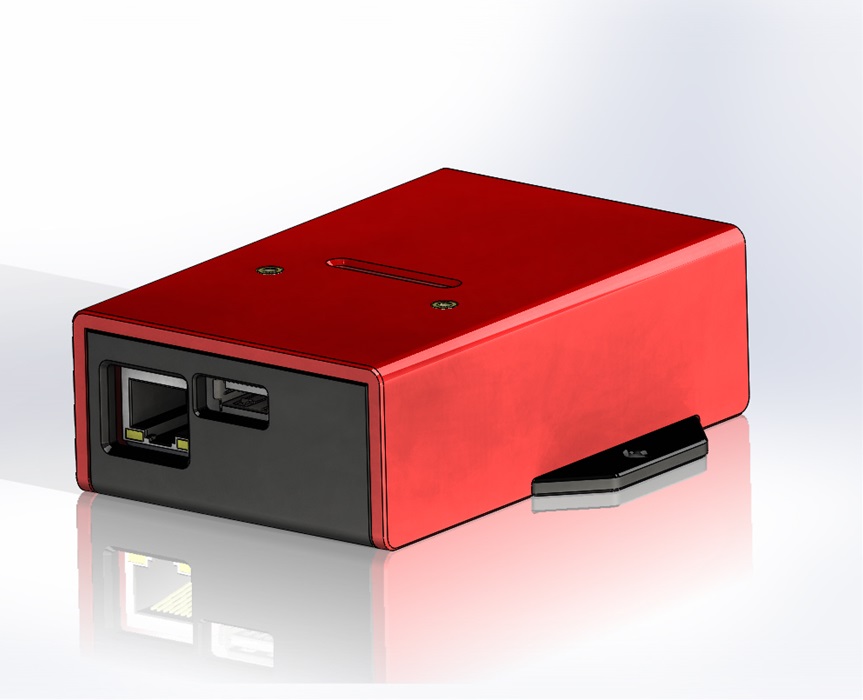
Single-board computers put a full Linux system on a card the size of a credit card, and the injection-molded Raspberry Pi enclosure sold alongside them fits exactly that: one bare board, in one orientation, with nothing attached. The moment a product adds a touchscreen, a HAT, a relay board, a battery or a second connector panel, the stock case has to be cut, drilled or abandoned.
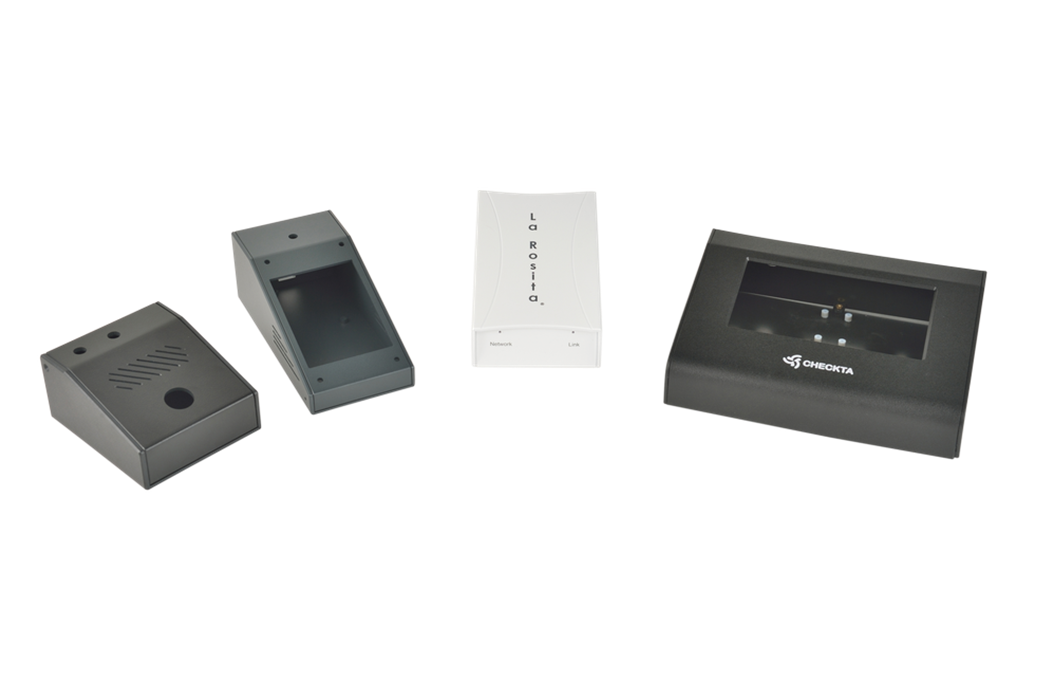
Toolless builds a Raspberry Pi enclosure from flat ABS or polycarbonate sheet that is CNC machined, V-grooved and thermally bent. The port openings, standoffs, vent slots, light pipes and acrylic windows are all features in a CNC program, so the case fits the assembly you actually ship. A change to the board, a new connector or a different display is a program edit rather than a new mold. This is the same process we use for our electronic enclosures and medical device housings.
Boards we build around
Any board with a mounting-hole pattern and a connector list.
The board model sets the hole pattern and the port positions. Everything else in the case is decided by your product.
Raspberry Pi 1 to 5 and Zero
Every generation has its own connector layout. We position HDMI, USB, Ethernet, audio and the power input from the board drawing and mount the board on four bosses or in grooves. The custom Raspberry Pi case gallery shows five finished examples.
Arduino enclosure
Arduino builds carry shields, terminal blocks and sensor wiring, so an Arduino enclosure needs room above the board and openings on more than one face. Machined slots pass wiring and screw-terminal access without a separate gland plate.
BeagleBone, Banana Pi, Orange Pi and others
A BeagleBone enclosure or an Orange Pi case follows the same path as a Pi case: board outline, hole pattern, connector list, then a 3D model for approval. Cubieboard and Adafruit boards have been housed the same way.
Features inside the case
Standoffs, windows, vents and printing, all from the same sheet.
The board sits on bosses with heat-staked brass inserts or self-tapping screws, or slides into machined grooves for a fastener-free build. A display board mounts above the main board and shows through an acrylic insert bonded from the rear; a non-glare insert is available for touchscreens. Status LEDs reach the outside through light pipes.
- Punch-out options cover connectors that will be added in a later board revision
- Vent slots machined to a pattern that matches inlet and outlet area for fan cooling
- Fastener tabs so the end user can open the case to reach the SD card
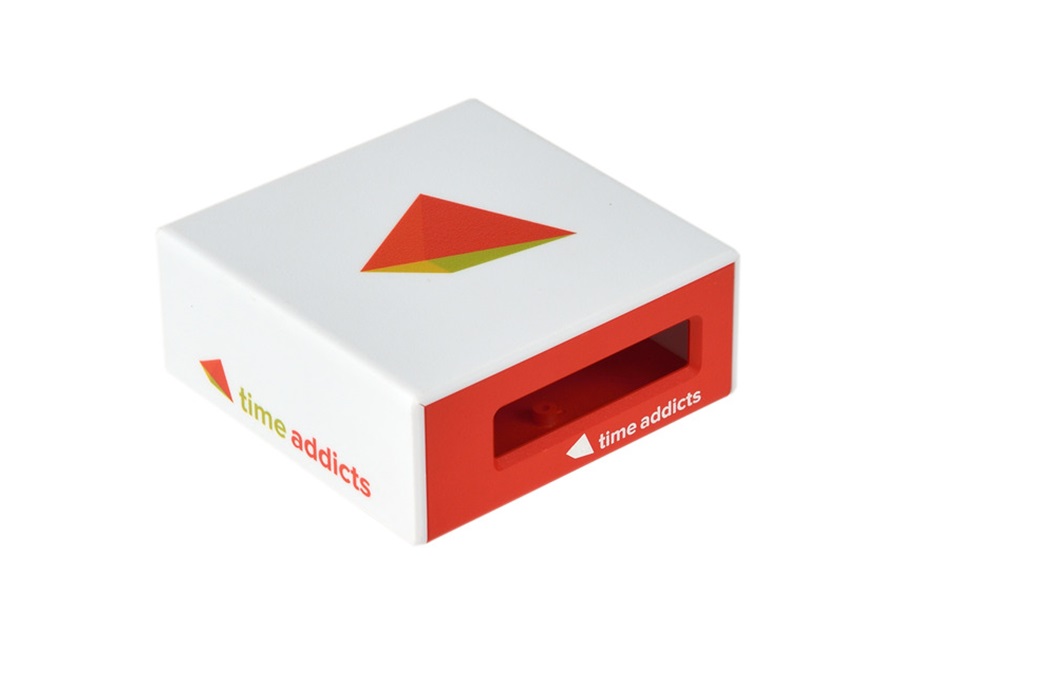
- Full-color digital printing of a logo, legends and port labels directly on the plastic
- Two-tone panels, engraving and label recesses on any face
Stock ABS comes in white, black, light grey and dark grey. Flame-retardant ABS and polycarbonate are on the shelf for products that need a UL94 V-0 or transparent material; see materials.
From board to case
Four steps, no tooling.
Send the board data
A STEP, IGES, STL or DXF file of the board, or simply the model name plus a list of the connectors and add-ons you use. Upload through Send CAD Files.
Approve the 3D model
One engineer acts as your project manager and returns a SolidWorks model in the format you work in. Cutouts, bosses and windows are checked on screen before any sheet is cut.
Prototype
The flat pattern is machined, bent and solvent bonded, then inspected. Customers have reported a prototype in ten working days, and one Kickstarter case took one week.
Production on your schedule
Order one unit, fifty, or place a blanket order up to 10,000 with releases three weeks after each PO. Revisions between releases are program edits.
Stock case or custom case
Where the off-the-shelf option runs out.
A molded pi case costs little and works for a bare board on a desk. The comparison changes once the case has to carry a brand, protect a display or survive a drop test in the field. The Toolless process gives a production-grade part at prototype quantities, and the design belongs to you.
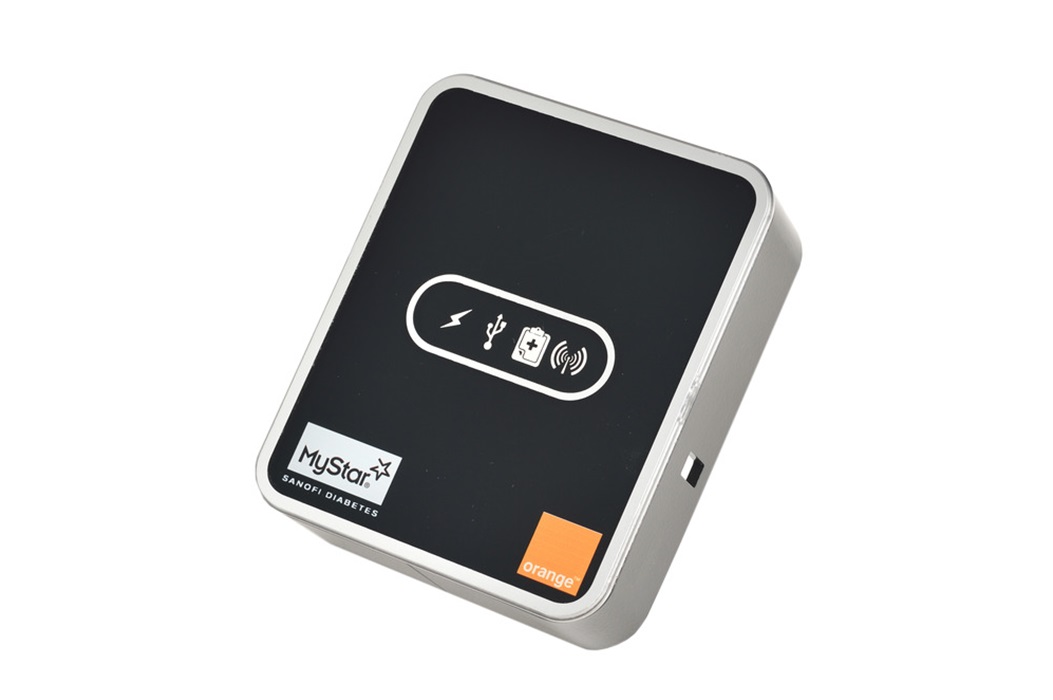
Read the Orange Pi case story for a worked example, or see how the FlightBox ADS-B receiver went from campaign to shipping case.
Related
Keep reading.
Custom Raspberry Pi cases
Five finished Pi cases and the problems each one solved.
See the cases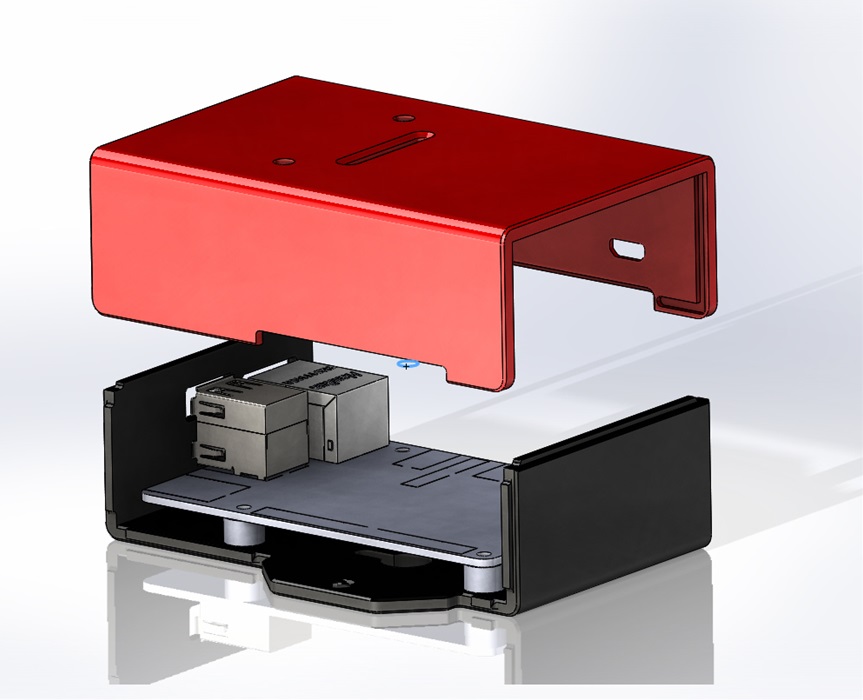
Our Pi case process
Design, prototype and production for a board-based product, step by step.
Read the process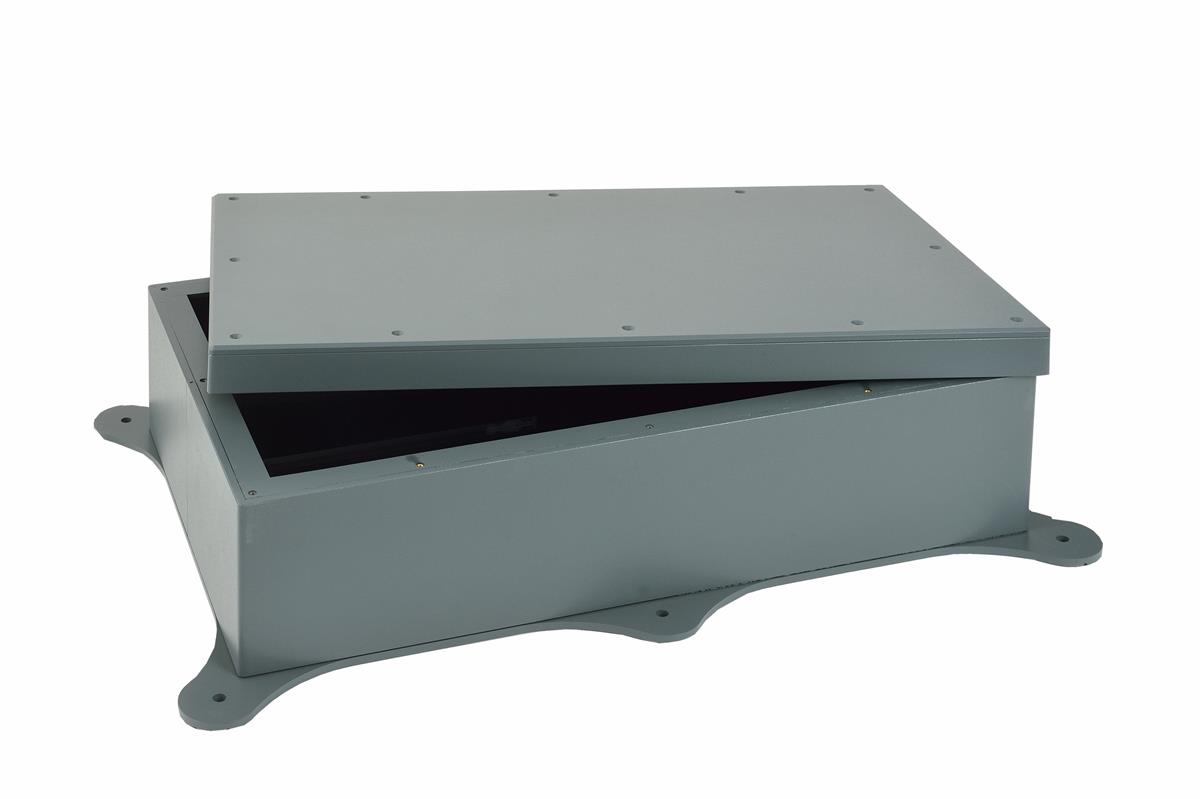
C Box enclosure
The two-piece snap-together standard design, sized to your board.
C Box details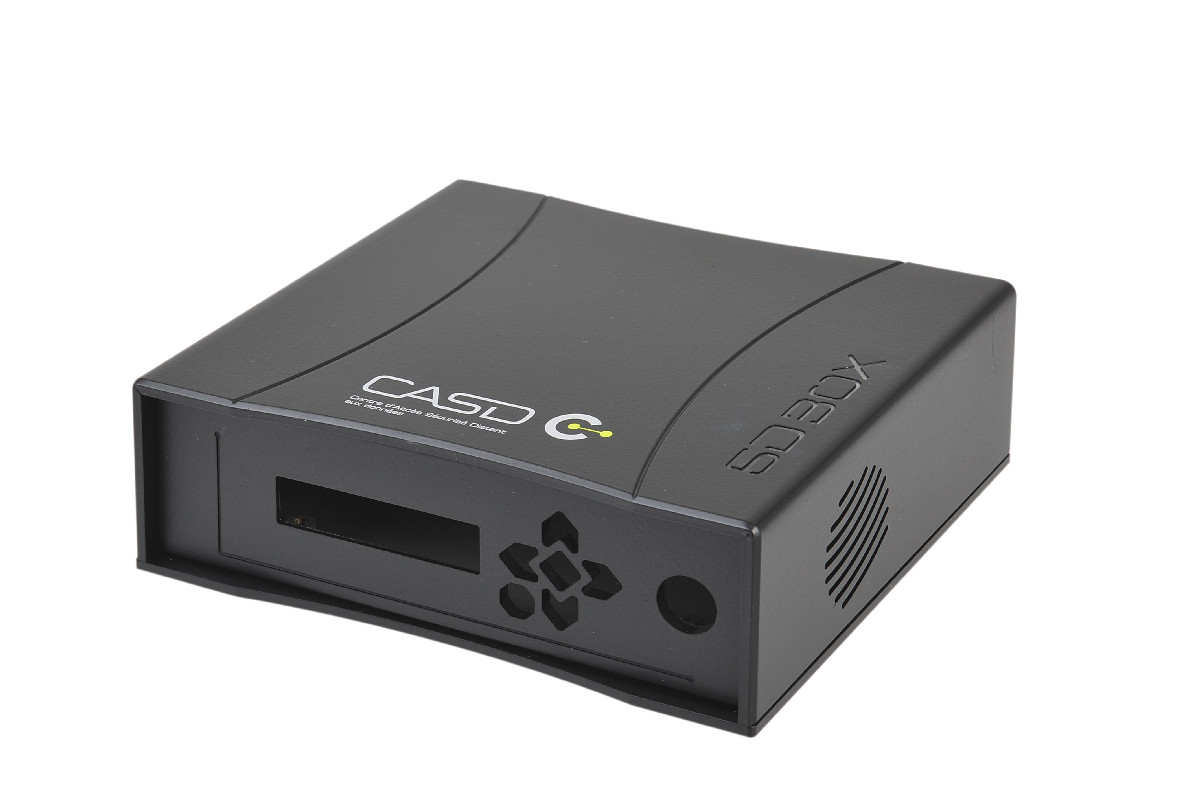
Enclosure portfolio
Electronics, medical, kiosk and instrument housings from the shop floor.
Browse the portfolioQuestions
Pi cases and SBC enclosures, answered.
Which single-board computers can you make a case for?
Raspberry Pi 1, 2, 3, 4, 5 and Zero, plus BeagleBone, Banana Pi, Arduino, Cubieboard, Adafruit and Orange Pi boards. Any other board works the same way once we have its outline, hole pattern and connector positions.
Do I need to design the case myself?
No. Send the board model or the board name and a list of connectors and add-ons, and our engineers design the enclosure in SolidWorks. You receive a 3D model in STEP, IGES, STL or SolidWorks format for approval before anything is cut. If you already have a design, send it through the CAD upload form.
What is the minimum order for a Raspberry Pi enclosure?
There is no minimum order. One or two units carry a setup charge, and the process is at its most economical between 100 and 10,000 units. Blanket orders cover 10 to 10,000 units with releases three weeks after each purchase order.
How long does a custom Pi case take?
Prototype lead time runs from 3 to 21 working days depending on complexity, and Raspberry Pi case lead times have been as short as 3 to 4 weeks from first contact to delivered parts. Customers have reported a first prototype in ten working days and, in one Kickstarter project, in one week.
Why engineers choose Toolless
Trusted for enclosures since 1998.
Startups, OEMs and medical device makers across the USA, Canada and Australia come back for the next run. Read more testimonials.
- Years without molds
- 25+
- Certified quality system
- ISO 9001
- Units per order
- 1–10,000
- Sq ft in Everett, WA
- 13,000
“We initially considered injection molding, but with our volume the cost of tooling would never be recovered. It took only a week to settle on a design and get a prototype, and we were in production a week later.”
“I spent 9 years as a quality engineer at Rockwell and tend to be a perfectionist. Your professionalism and diligence in helping evolve our cover is greatly appreciated.”
“After a number of orders, Toolless have become our preferred supplier. Even though we are located in Australia, all deliveries have been fast and hassle free.”
Start your enclosure
Send the board. We’ll send the box.
Quotes come from an engineer, not a form robot. Attach CAD, photos or a sketch and we reply within one business day.