
EMI and RFI shielded enclosures
EMI Shielding Plastic Enclosures
A plastic housing with a conductive coating applied as a secondary operation, so a sensitive board or a noisy one gets a shield without giving up the weight, finish and cost of plastic. Built in Everett, Washington from one unit to five thousand.
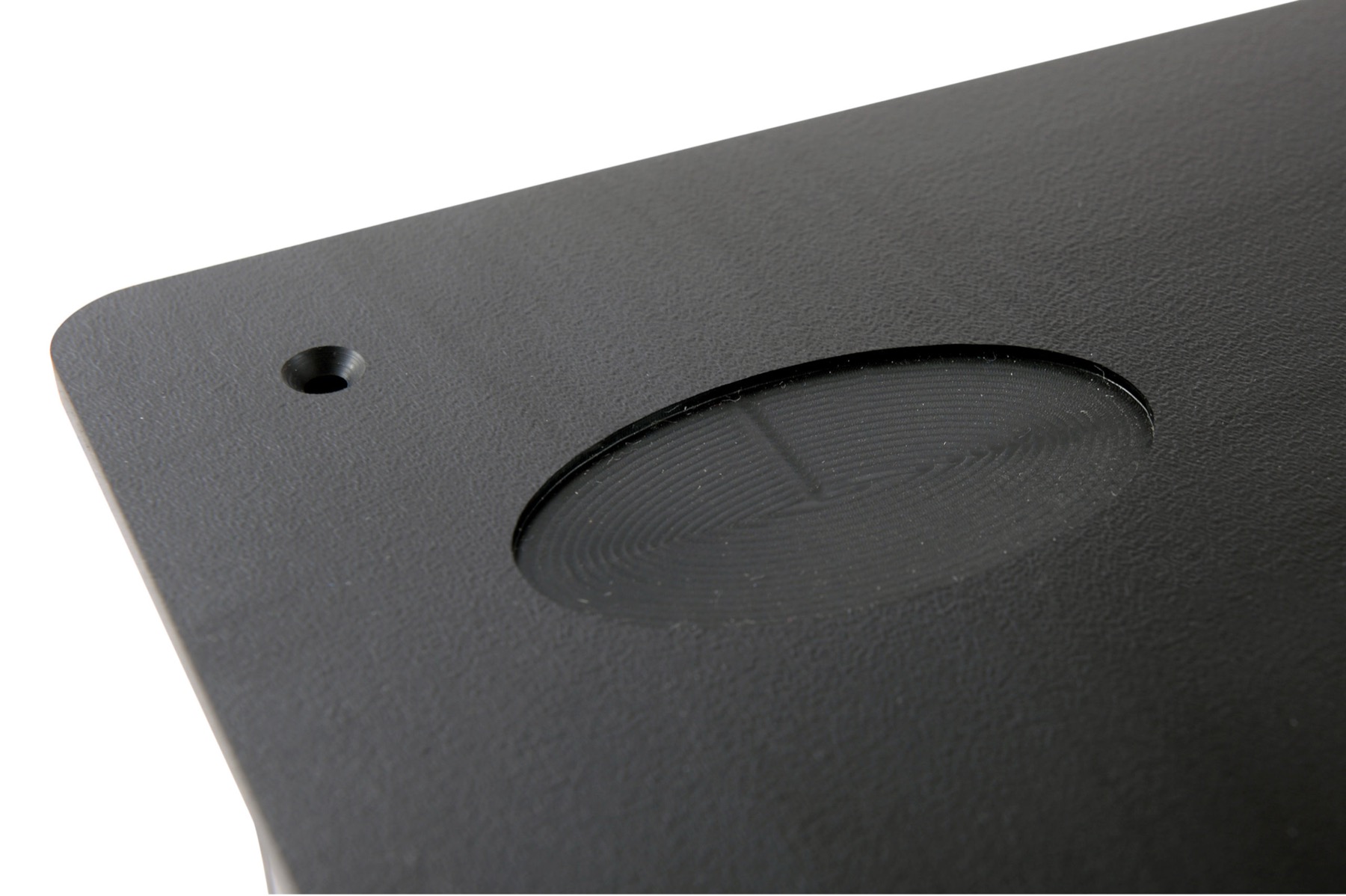
Why plastic needs help
An EMI shielding plastic enclosure starts as an insulator.
ABS, polycarbonate and acrylic are electrical insulators, which is one reason they make good electronics housings and one reason they make no contribution to shielding. A metal enclosure attenuates radiated emissions and susceptibility by its nature; an EMI shielding plastic enclosure has to be given a conductive layer to do the same job.
Toolless applies EMI and RFI conductive coating to the interior of a fabricated plastic enclosure as one of the secondary operations that follow bonding, alongside painting, digital printing and hardware installation. The housing keeps the properties that made plastic the right choice, low weight, a pre-textured cosmetic surface, radiused corners and no tooling, and gains a continuous conductive surface inside. Where a product must pass an emissions or immunity test, that combination is frequently the deciding factor between a plastic enclosure and a metal one.
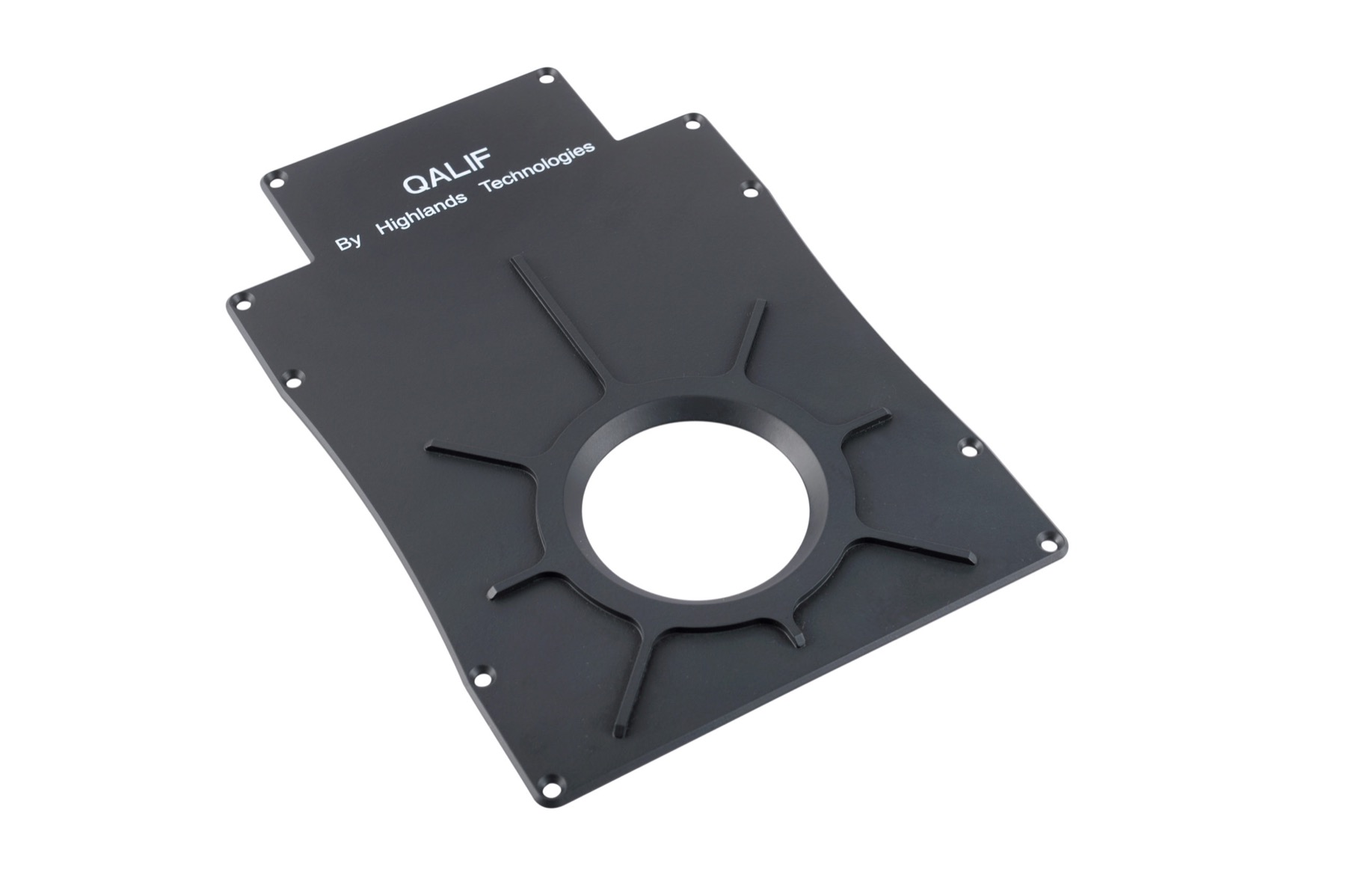
Three parts of a shielded plastic housing
Coating, openings and grounding, designed together.
A conductive coating is the visible part of the answer. The openings and the ground path decide how much of it survives the test bench.
Conductive coating enclosure interior
The coating is applied to the inside surfaces after the enclosure is bonded, so it follows the corners and the joint lines as a continuous film. The exterior keeps its pre-colored, pre-textured sheet finish, and printing or painting on the outside is unaffected.
Vent and connector openings
Every opening is an aperture in the shield. Machined slot patterns give control over slot length and spacing, and a connector plate can be kept as a separate bonded panel so the largest openings are concentrated where the mating hardware seals them.
Ground connection
Heat-staked brass inserts and metal bosses give the coated surface a fastener point for a ground strap or a board-mounted contact. The board's own ground and the shield are tied at the location your EMC engineer specifies.
Design rules
Plastic enclosure EMI decisions to make before the first cut.
Shielding is designed in, then coated on. Our engineers review every enclosure model against the shop's machining and bending rules before quoting, and a shielded housing adds a short list of questions to that review.
- Decide which faces are coated: the whole interior, or a body with an uncoated lid where a window or a printed overlay sits
- Keep the lid-to-body joint on a tongue-and-groove so the two coated surfaces meet along a controlled line
- Group connectors on one bonded panel and size the openings to the connector body, not the cable
- Machine vents as slots of 2 mm minimum width with cross supports rather than one large opening
- Specify brass inserts, rather than self-tapping bosses, at any fastener that carries a ground
- Mask label recesses, windows and printed areas that must stay non-conductive
Compliance testing stays with you and your test lab. What Toolless controls is a repeatable enclosure: the same program, the same coating operation and the same inspection on every lot under an ISO 9001:2015 system, so the unit that passes in the chamber matches the unit that ships.
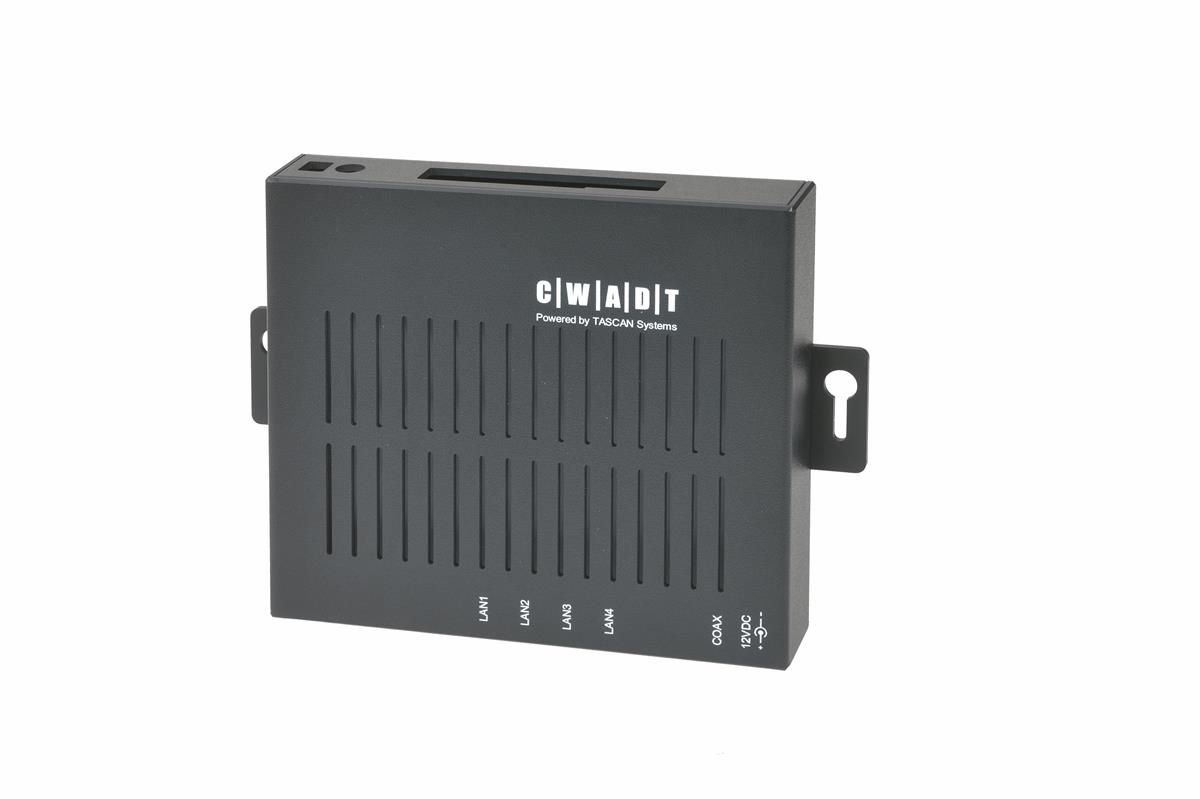
How a shielded enclosure is ordered
From CAD to a coated prototype.
Send the design or the board
A STEP, IGES, SAT, SolidWorks, STL or DXF model, or a board with a connector list. Note which faces need coating and where the ground attaches. Upload files here.
Engineering review
One engineer manages the job, models the enclosure in SolidWorks and returns it in your format with cutouts, inserts and masked areas marked for approval.
Fabricate and coat
The flat pattern is machined, bent, bonded and fitted with inserts, then the conductive coating is applied as a secondary operation. Prototypes take 3 to 21 working days.
Test, revise, release
Take the prototype to your EMC lab. A change to an opening or a coated area is a program or process edit, then production releases on a blanket order.
Where it is used
RFI shielding for the products we already build.
Medical device housings have been part of our work since 1994, and sleep diagnostics, respiratory devices and surgery-room equipment sit in rooms full of other electronics. Instrument enclosures, wall-mount controllers and single-board computer products carry the same requirement. The shielded version of each is the same enclosure with one added operation.
Related
Keep reading.
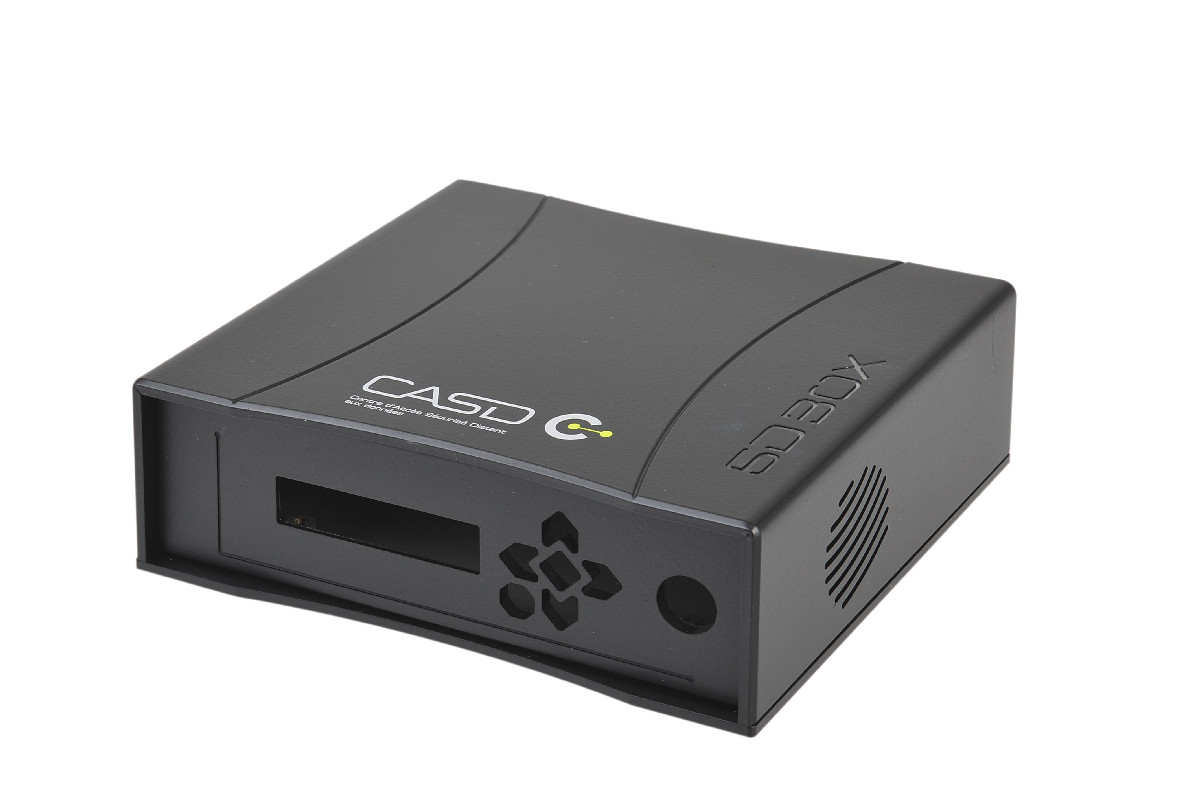
Electronic enclosures
Housings for boards, displays and power supplies, port by port.
Electronic enclosures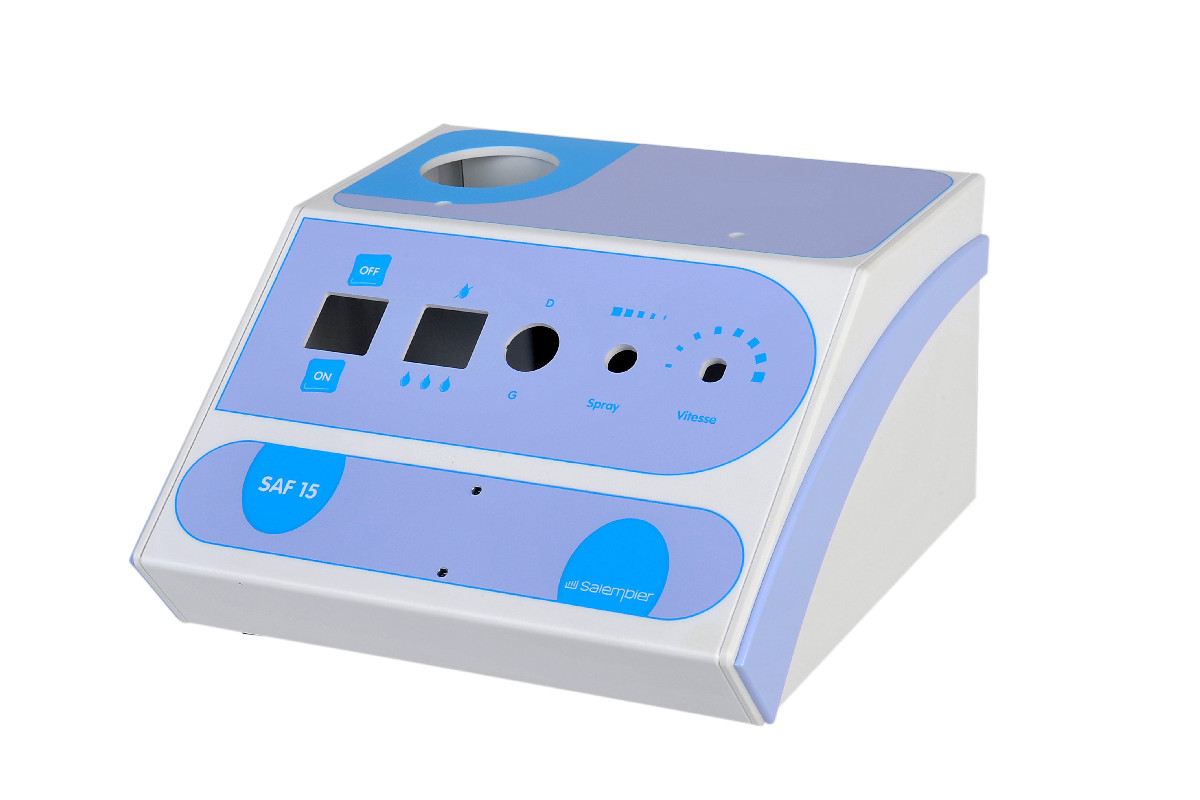
Medical enclosures
Device housings for clinical and diagnostic equipment since 1994.
Medical enclosures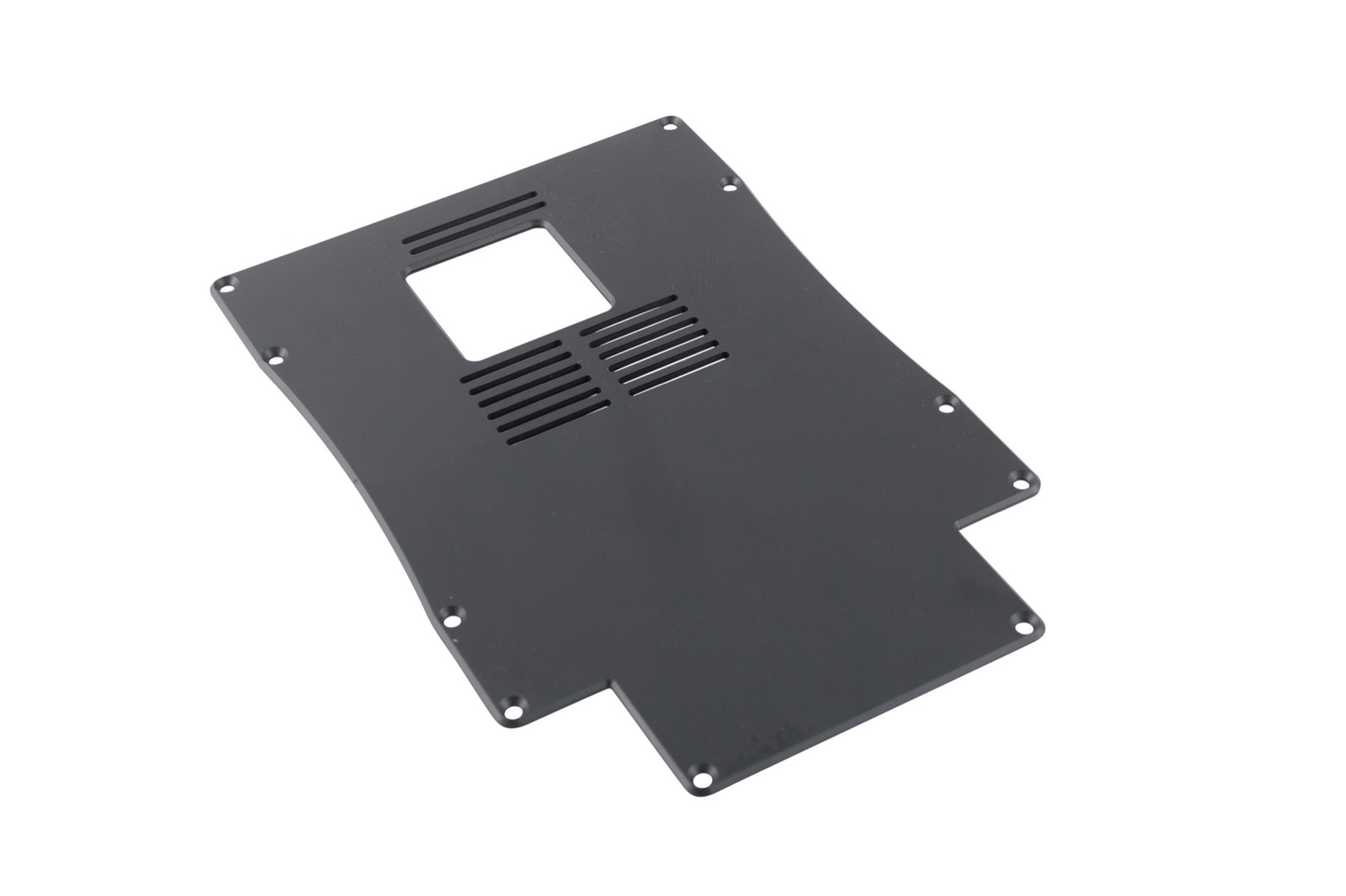
Functional features
Inserts, vents, windows and hardware with the dimensions that work.
Read the rules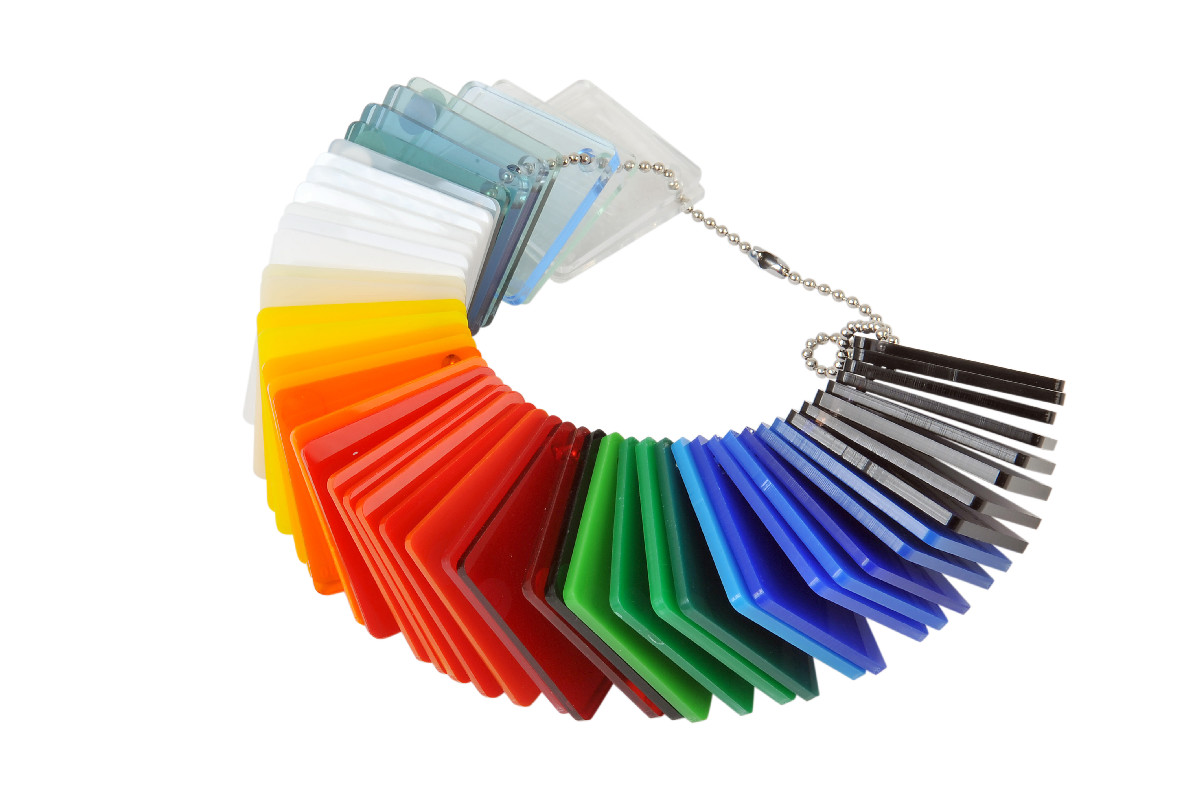
Materials
ABS, flame-retardant ABS, Boltaron, polycarbonate, PETG and acrylic.
MaterialsQuestions
Shielded plastic enclosures, answered.
Can a plastic enclosure be EMI shielded?
Yes. Toolless applies an EMI and RFI conductive coating to the interior of the fabricated enclosure as a secondary operation, after machining, bending and bonding. The outside keeps its sheet finish and can still be printed, engraved or painted.
Which materials can be coated?
The coating is applied to our stocked sheet materials: general-purpose ABS, flame-retardant ABS, Boltaron, polycarbonate and PETG. Tell us the material and the coated faces at the quoting stage so the engineering review covers masking and ground points.
Do you certify the shielding performance?
No. Emissions and immunity testing is performed by you or your test laboratory against the standard your product must meet. Toolless controls the enclosure itself: a repeatable program, a repeatable coating operation and inspection of every lot under ISO 9001:2015.
Can I prototype a shielded enclosure before committing to production?
Yes, and it is the recommended path. There is no tooling, so a coated prototype in 3 to 21 working days can go straight to the EMC chamber. If an opening or a coated area needs to change, the revision is a program edit and production follows on a blanket order of 10 to 10,000 units.
Why engineers choose Toolless
Trusted for enclosures since 1998.
Startups, OEMs and medical device makers across the USA, Canada and Australia come back for the next run. Read more testimonials.
- Years without molds
- 25+
- Certified quality system
- ISO 9001
- Units per order
- 1–10,000
- Sq ft in Everett, WA
- 13,000
“We initially considered injection molding, but with our volume the cost of tooling would never be recovered. It took only a week to settle on a design and get a prototype, and we were in production a week later.”
“I spent 9 years as a quality engineer at Rockwell and tend to be a perfectionist. Your professionalism and diligence in helping evolve our cover is greatly appreciated.”
“After a number of orders, Toolless have become our preferred supplier. Even though we are located in Australia, all deliveries have been fast and hassle free.”
Start your enclosure
Send the board. We’ll send the box.
Quotes come from an engineer, not a form robot. Attach CAD, photos or a sketch and we reply within one business day.