
Battery enclosures
Custom Battery Enclosures
Housings for battery packs, chargers and battery-powered devices, machined and bent from UL94 V-0 sheet with the vents, doors and mounting features your pack needs. No mold, no minimum order, and a program edit when the cell changes.
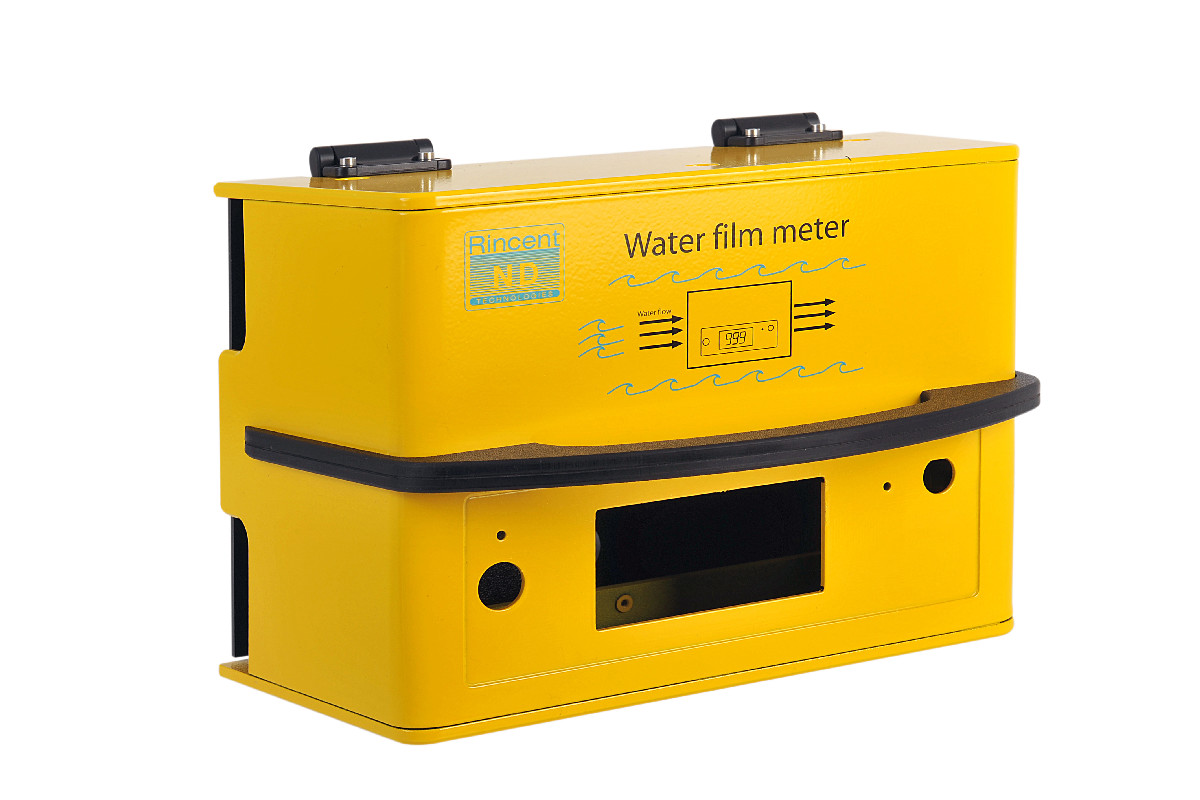
Built around the pack
Custom battery enclosures sized to the cells, not to a catalog.
A battery compartment sets the size of the whole product. When the pack grows a cell, a stock box no longer closes and a molded housing needs a new tool. Toolless machines every custom battery enclosure from flat plastic sheet, so the compartment is resized in CAD, the CNC program is regenerated, and the next unit ships without tooling.
We have built battery bays into handheld instruments, wall-mounted controllers and benchtop devices for more than 25 years. The compartment can be made customer-friendly to swap, with a simple door secured by tape or Velcro for occasional access, or a firmer compartment that holds the cells in place for devices that open several times a day.
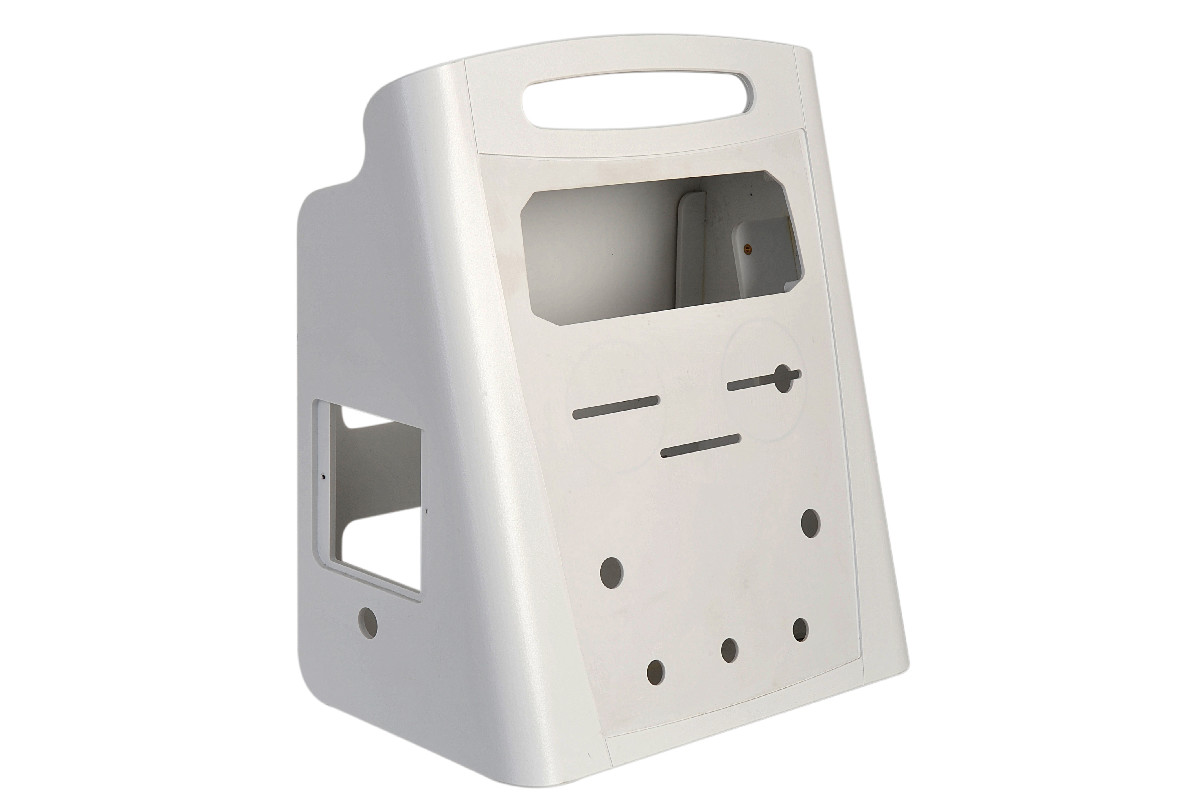
Battery enclosure design
Six decisions that shape a battery housing.
Material, airflow, access, fastening, mounting and marking. Each one has a preferred answer in the Toolless process, and our engineers settle them with you before the 3D model is drawn.
Flame-retardant sheet
Royalite flame-retardant ABS (UL94 V-0, 3 mm, black or white) and Boltaron 4335 (UL94 V-0 acrylic/PVC alloy) are stocked for battery enclosure design. General-purpose ABS in 3, 4, 6 and 8 mm and UV-stabilized polycarbonate TUFFAK cover the rest. See materials.
Vents that cost less
Ventilation is machined, so the pattern is yours. Slots cost less than holes and keep cross supports for wall rigidity; the minimum slot width is 2 mm. Match inlet area to outlet area to keep back pressure low around the pack.
Service access
A fastened door on a brass insert and a frame is the reliable choice for a pack that is replaced through the life of the product. Turn latches and hinges make a single-door housing that never loses its lid.
Inserts for repeat fastening
Self-tapping bosses suit screws that go in once or twice. Heat-staked brass inserts take repeated service, which is what a battery door sees. Bosses are kept under 9 mm tall; sidewall tabs or frames carry anything taller.
Mounting and feet
Industrial and residential units get side flanges with holes or keyhole cutouts on the back for wall mounting. Benchtop chargers get recessed rubber feet so they stay put on the plastic over time.
Markings printed on the part
Polarity, ratings and handling legends are digitally printed straight onto the sheet in full color, with white ink on dark panels. Adhesion is better than silk screen and there is no label to peel. See digital printing.
Industrial and residential
Strength where the pack is heavy.
A battery pack is the densest thing in most products, and an industrial unit carried by its handle or a residential pack hung on a wall loads the housing continuously. Toolless enclosures are as strong as injection-molded parts made from similar materials and pass the usual drop tests. Where a pack demands more, we step the sheet up to 6 or 8 mm, add doublers in the corners and bond reinforcing ribs along the load path.
Thermal bending turns a battery bay, lid or wrap into a single piece of ABS, so there are fewer seams to open on impact. The remaining joints are machined tongue-and-groove and solvent bonded, which fuses the plastic into one wall. Joint lines are placed as a design feature and kept away from the door and vents.
Design rules for bends and joints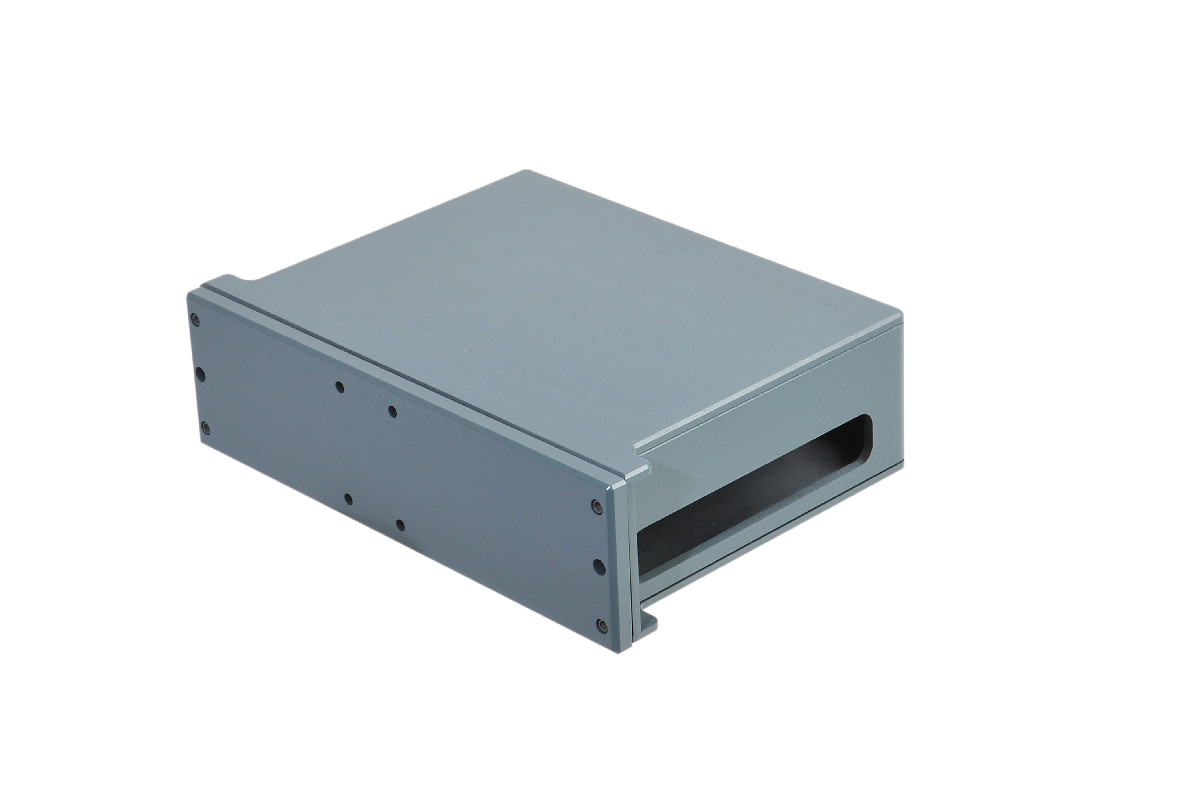
From pack to product
Four steps from cell dimensions to shipped housings.
One engineer manages your job from the first drawing to the production release, and the prototype is the first production article.
Send the pack and the board
A STEP, IGES or SolidWorks file is ideal. A photo of the cells with a dimensioned sketch is enough to quote, and quotes go out within 48 hours.
Approve the 3D model
Our engineers model the housing in SolidWorks with the compartment, vents, door and bosses in place, and send it for your signed approval before any sheet is cut.
Test the prototype
Prototypes take 5 days to 3 weeks depending on complexity. Fit the pack, run the thermal test, then send changes back as a program edit.
Release production
The ideal range is 100 to 10,000 units. A blanket order schedules releases against your build plan with a three-week lead time after PO.
Engineering guides
Further reading on battery enclosure design.
Five articles from our engineering blog on industrial, residential and safety-driven battery housings.
Industrial applications
Designing custom battery enclosures for forklifts, robots and plant equipment.
ReadResidential packs
What mechanical engineers need to know about home battery enclosures.
ReadSafety standards
A mechanical engineer's guide to the standards that shape battery housings.
ReadMaterials
Top materials for custom battery enclosures and how to choose between them.
ReadDesign trends
Thermal control, monitoring and serviceability in current battery case design.
ReadEngineering blog
All articles on enclosure design, materials and manufacturing.
BrowseQuestions we get asked
Battery enclosure FAQ.
Answers from the engineers who quote these jobs. For anything not covered, contact us or read the full FAQ.
Which materials do you recommend for a battery enclosure?
Most customers specify flame-retardant Royalite ABS (UL94 V-0) or Boltaron 4335 (UL94 V-0). General-purpose ABS (UL94 HB) is used for 80% of our production and suits chargers and low-power devices. Polycarbonate TUFFAK is available where UV stability or a transparent window is needed.
Can the compartment change after the first run?
Yes. A new cell size is a change to the flat pattern and the CNC program, not to a mold. Simple changes are incorporated on the fly, in some cases during a production run.
What quantities make sense?
The process is ideal between 100 and 10,000 units. One or two units are possible with a setup charge, and blanket orders cover 10 to 10,000 units with a three-week lead time after receipt of PO.
How strong is a bent-sheet battery housing?
As strong as injection-molded parts made from similar materials, with the same drop performance. For heavy packs we use thicker sheet, corner doublers and ribs, and reinforce the bonded joints where a mechanical test must be passed.
Related
Other housings we build for powered devices.
Handheld, wall-mounted and electronic enclosures share the same sheet process and the same engineering team.
Handheld enclosures
Portable housings with battery doors, straps and handles, drop tested before release.
Learn moreWall mount enclosures
Flanged and keyholed housings for controllers and residential equipment.
Learn moreElectronic enclosures
Project boxes and housings built around your circuit board.
Learn moreMaterials
Stocked ABS, FR ABS, Boltaron, polycarbonate, PETG and acrylic with data sheets.
Learn moreFrom the portfolio
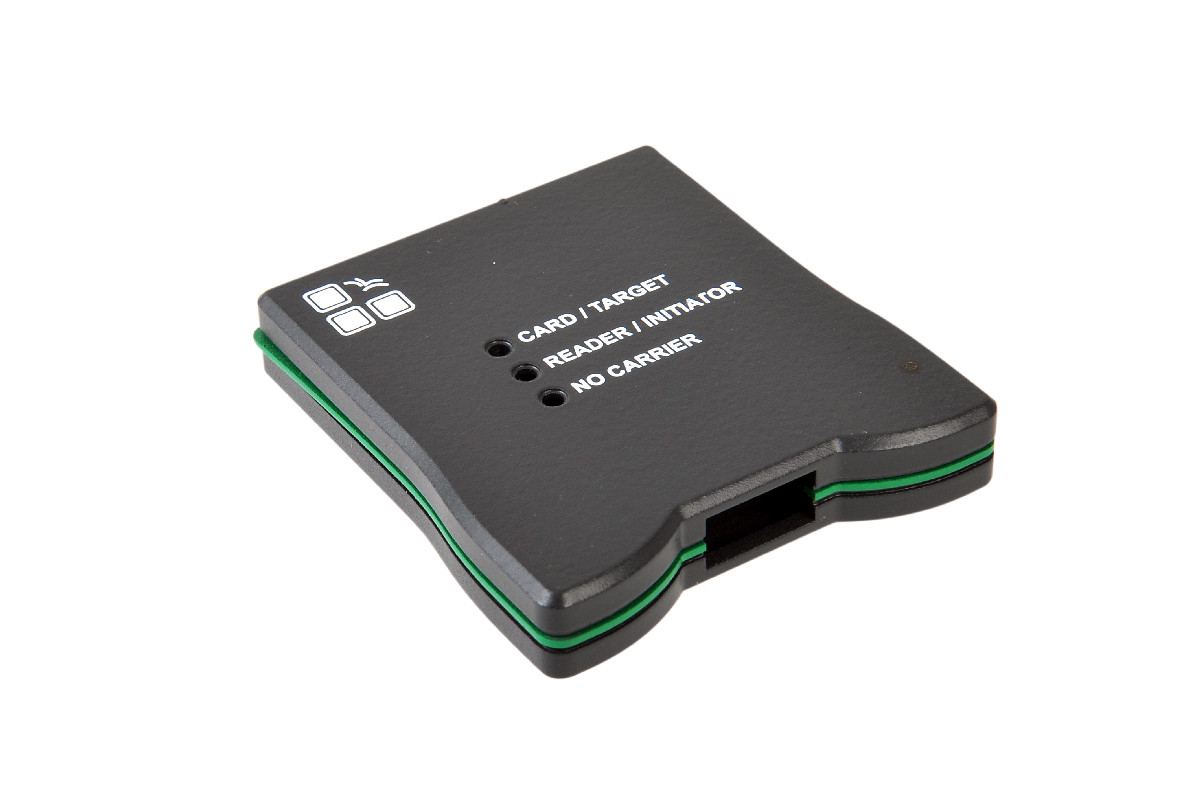
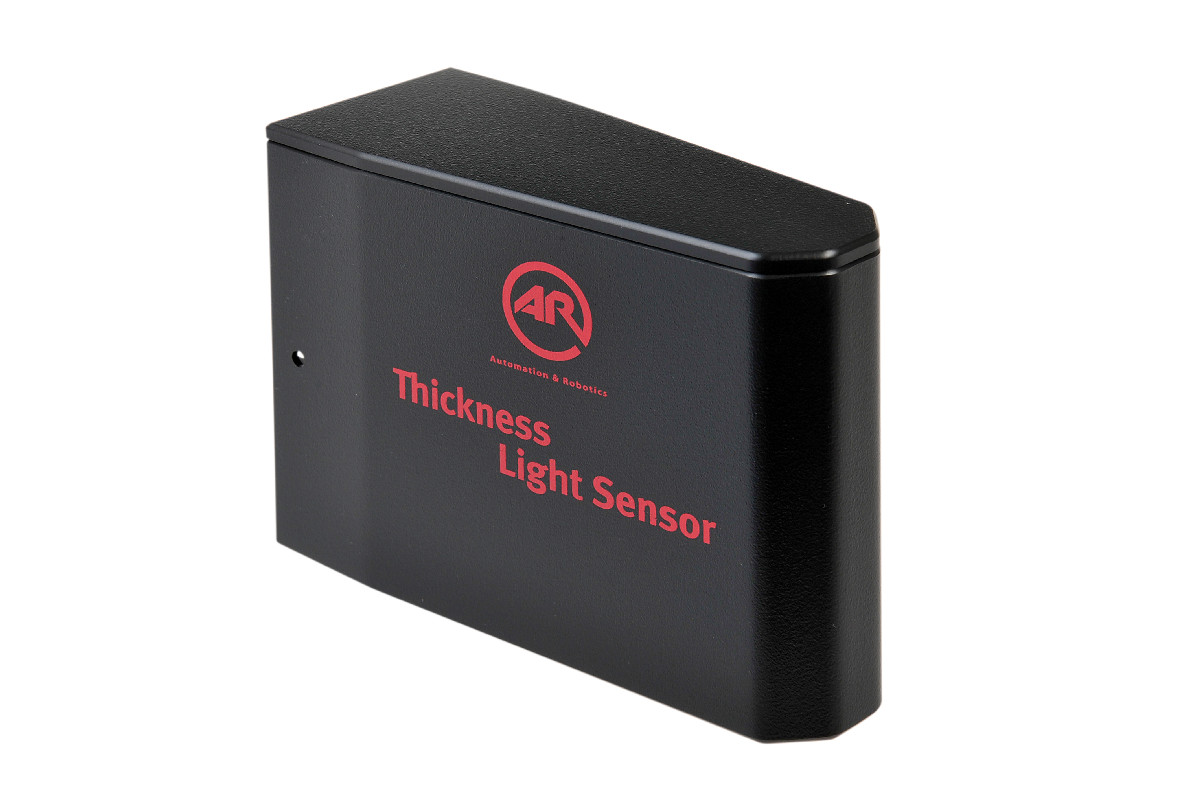
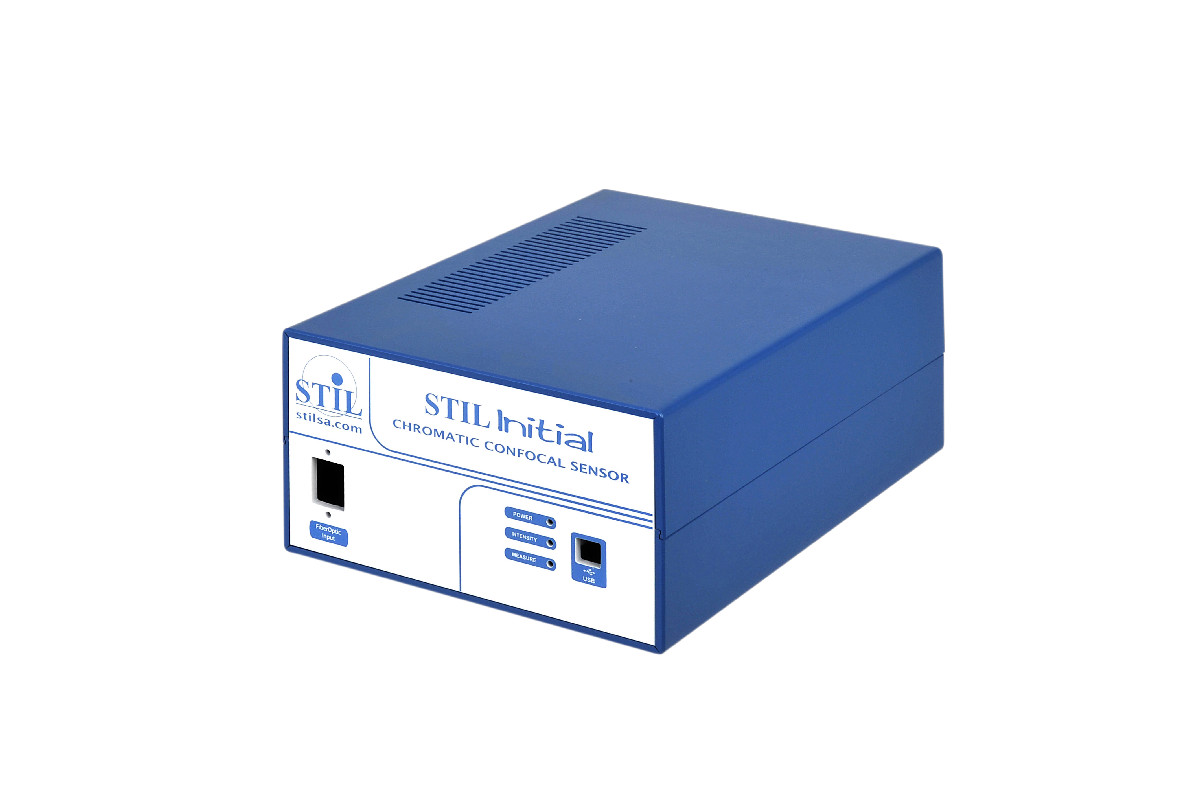
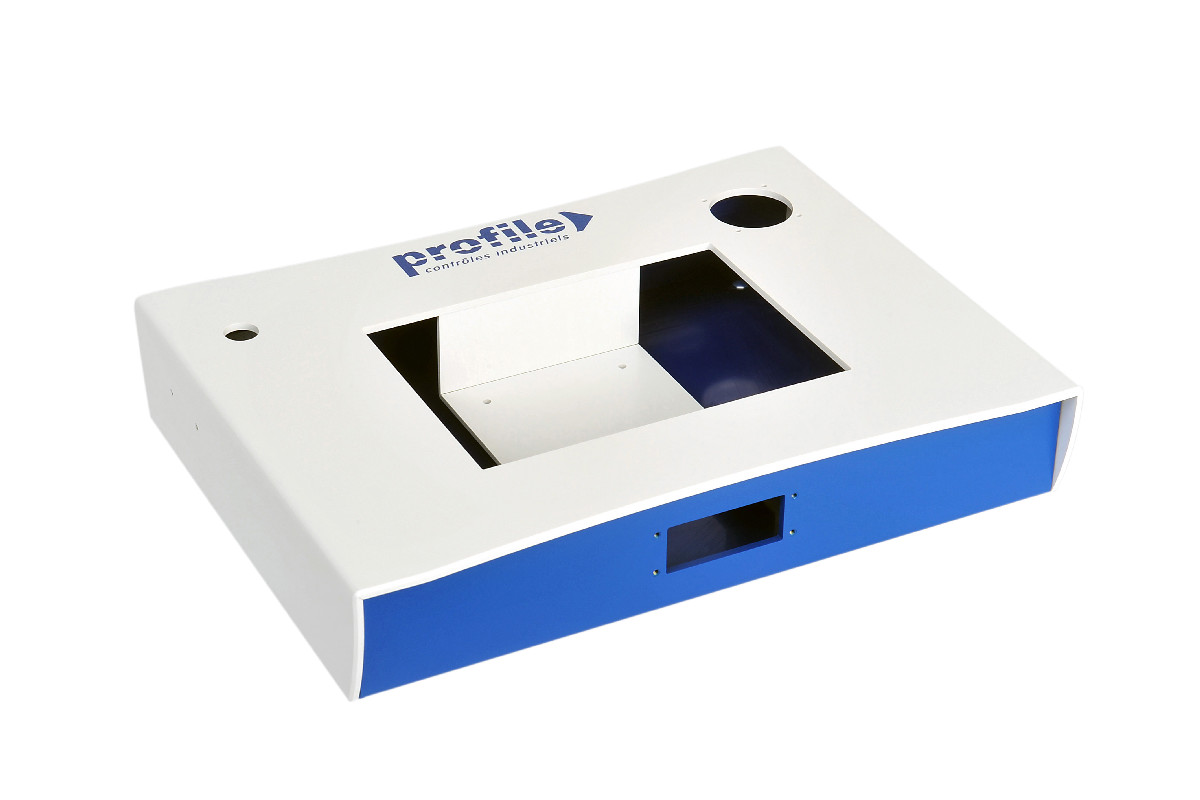
Electronics enclosures we have built.
Why engineers choose Toolless
Trusted for enclosures since 1998.
Startups, OEMs and medical device makers across the USA, Canada and Australia come back for the next run. Read more testimonials.
- Years without molds
- 25+
- Certified quality system
- ISO 9001
- Units per order
- 1–10,000
- Sq ft in Everett, WA
- 13,000
“We initially considered injection molding, but with our volume the cost of tooling would never be recovered. It took only a week to settle on a design and get a prototype, and we were in production a week later.”
“I spent 9 years as a quality engineer at Rockwell and tend to be a perfectionist. Your professionalism and diligence in helping evolve our cover is greatly appreciated.”
“After a number of orders, Toolless have become our preferred supplier. Even though we are located in Australia, all deliveries have been fast and hassle free.”
Start your enclosure
Send the board. We’ll send the box.
Quotes come from an engineer, not a form robot. Attach CAD, photos or a sketch and we reply within one business day.