
Monitor and display enclosures
Monitor and Display Enclosures
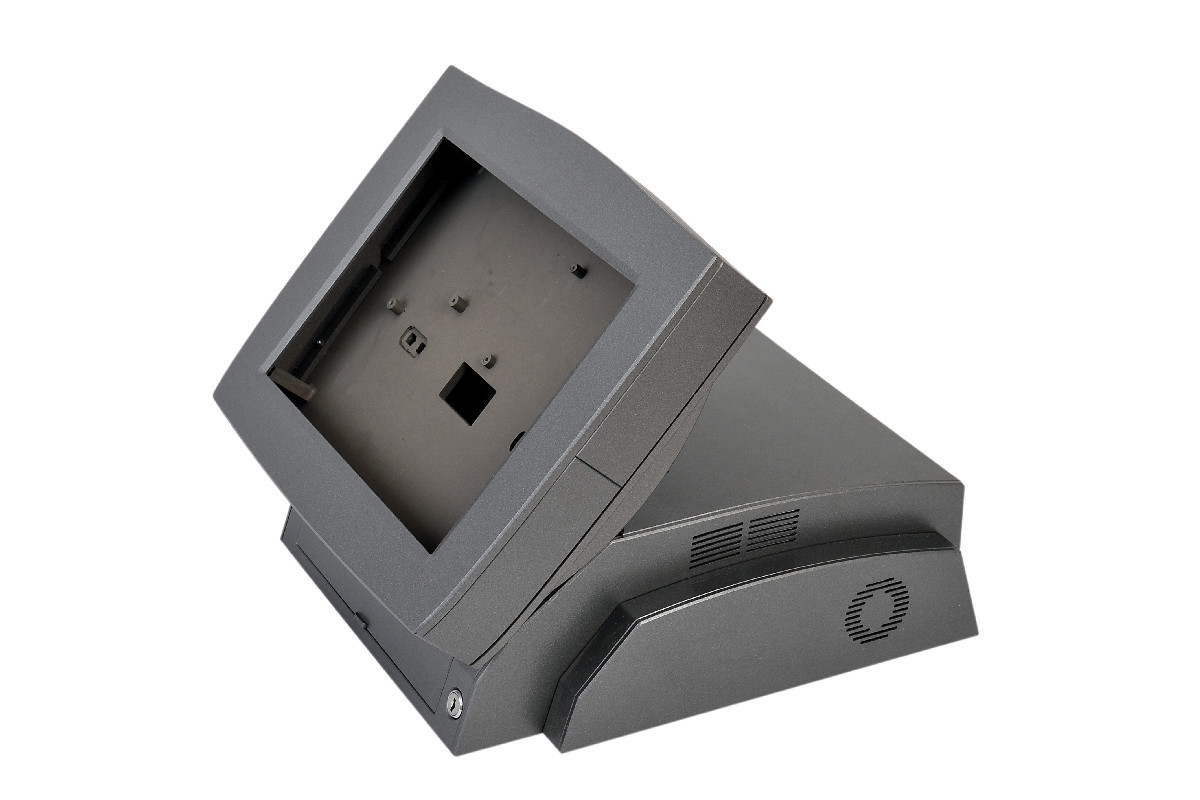
Housings, bezels and stands for LCD and touch displays of any size and brand, from scoreboards and photo booths to smart-home and control panels. Each display enclosure is machined from sheet, so the screen opening is cut to your panel and changed when the panel changes.
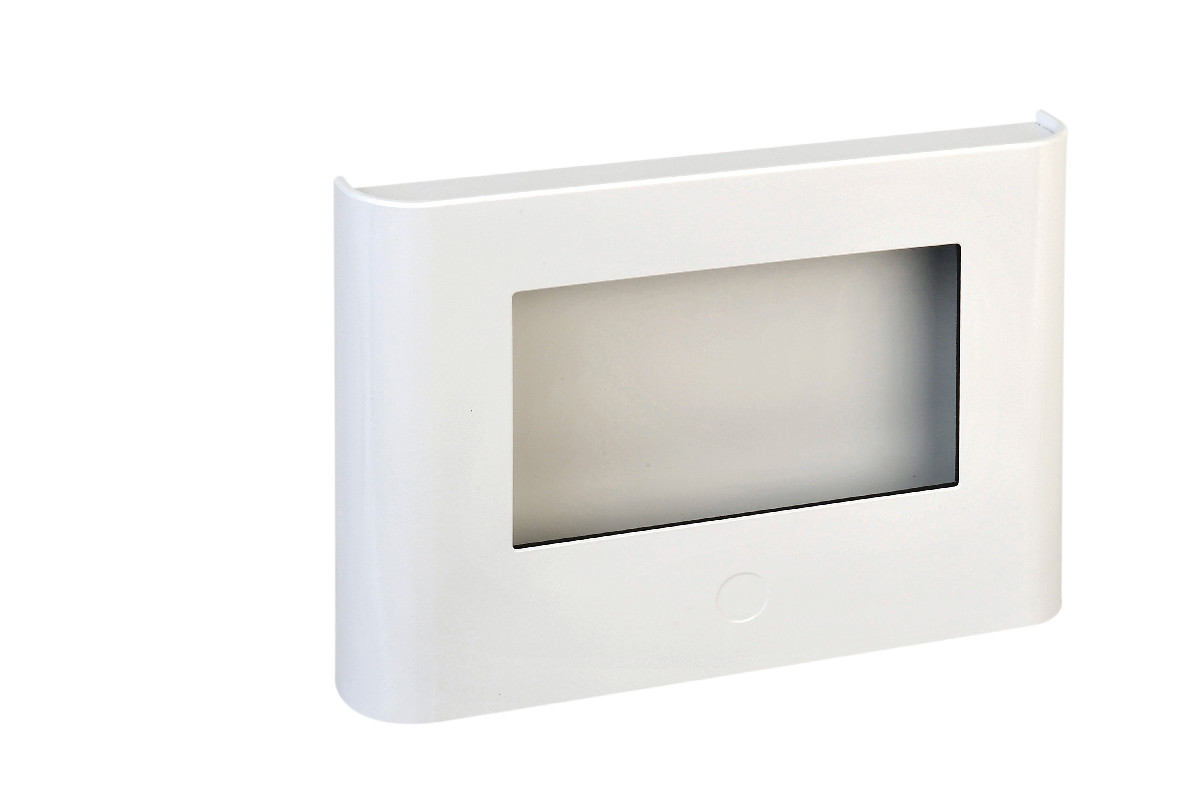
Built around the panel
A monitor enclosure cut to the display, not the other way round.
Display modules are replaced faster than the products they sit in. A supplier discontinues a 7-inch panel, the replacement has a different bezel width, and a molded housing is suddenly obsolete. Toolless machines every monitor and display enclosure from flat sheet, so the window, the mounting holes and the cable pass-through are lines in a CNC program. A new panel is a program edit and a new flat pattern, with no tooling in between.
Our portfolio includes scoreboards, home comfort systems, smart-home equipment and photo booths, on displays of different sizes from different brands. High-resolution screens deserve a housing that looks as finished as the image on them, and the sheet process delivers a cosmetic front with a pre-colored surface that never chips.
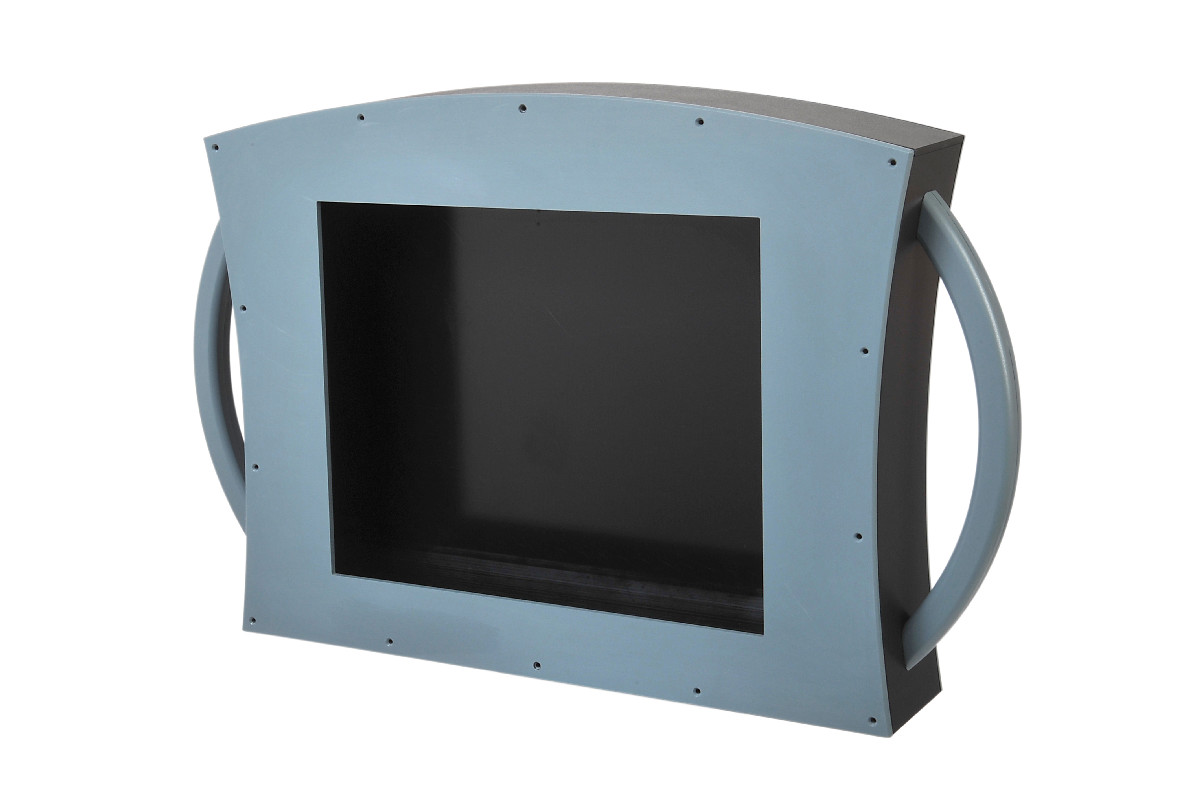
Screen integration
Four ways to put a screen in a plastic housing.
Open window, bonded acrylic, bezel-mounted polycarbonate or a full replacement panel. The right one depends on touch, flame rating and how the display is serviced.
Machined opening
The display module mounts behind a CNC-cut opening on bosses or through holes, held to ±0.2 mm. Touch panels sit flush with the front face; a chamfer on the opening softens the edge.
Bonded acrylic window
An acrylic window is solvent bonded into a recess from the rear, flush with the front or recessed with a chamfer. Acrylic OPTIX is stocked, and the same method installs two-color inserts.
Bezel with polycarbonate
Polycarbonate does not solvent bond, so a flame-rated window is carried in a machined bezel. UV-stabilized TUFFAK GP is stocked for this use. See bezels and shrouds.
Replacement panel
When the housing stays and only the display changes, we machine a plastic replacement panel with the new opening, printed and finished to match the original. See custom panels.
Stands, consoles and wall units
From a desk-mounted screen enclosure to a kiosk.
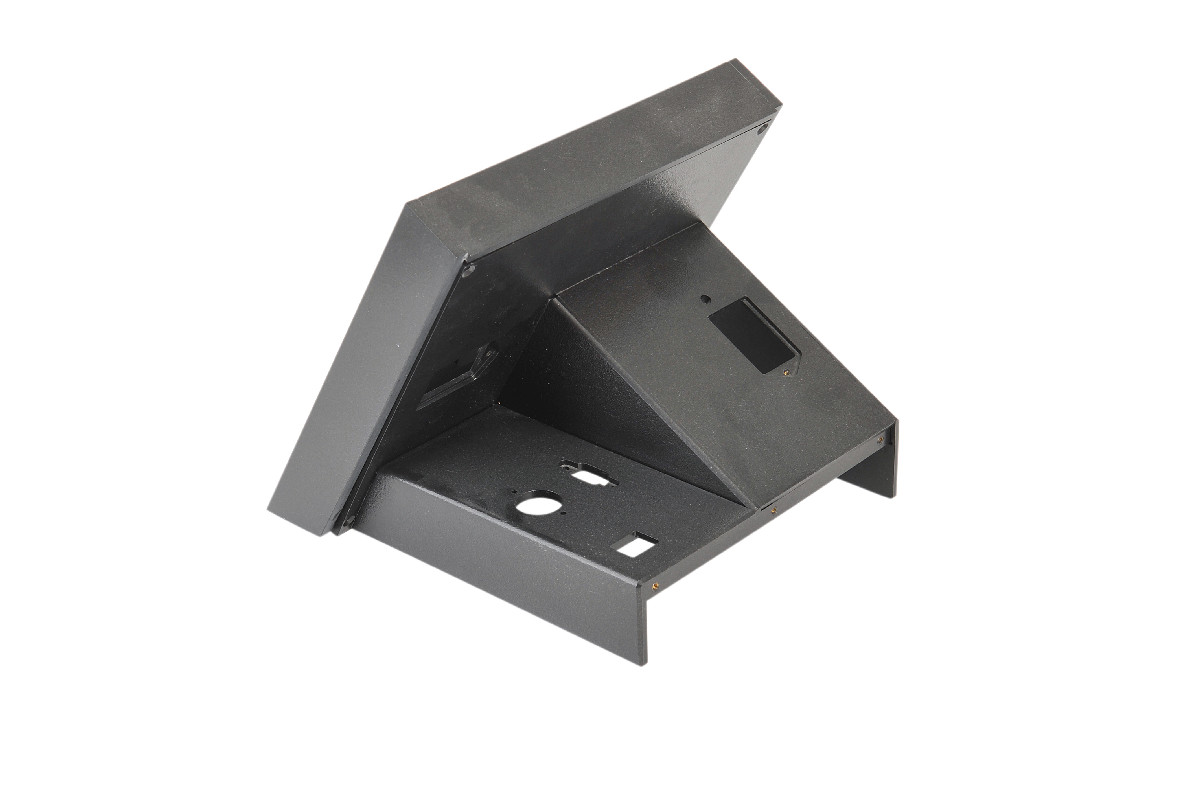
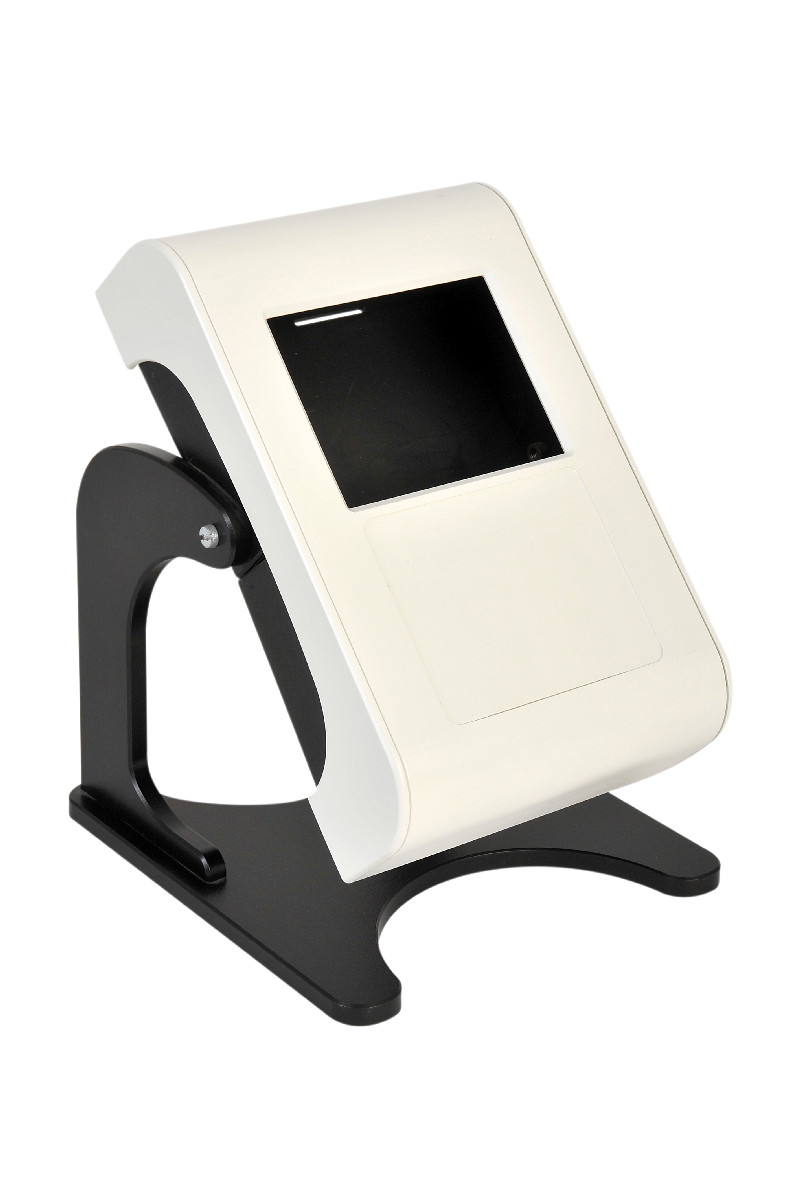
A display enclosure is rarely a flat box. Desk units get a sloped face so the screen reads from a seated position and a rear cable channel. Wall units get side flanges with holes or keyhole cutouts on the back so the housing slides onto a screw. Consoles combine a monitor with a keypad recess, an emergency stop and handles. Kiosks go larger still: we reinforce the enclosure with a metal frame and clad it with plastic parts, and the housing can be as big as the application needs by combining pieces.
Compound curves are formed in one direction on our rolling equipment, which gives a photo booth or scoreboard housing its rounded profile without a mold. Legends, logos and button labels are UV printed directly on the sheet in full color.
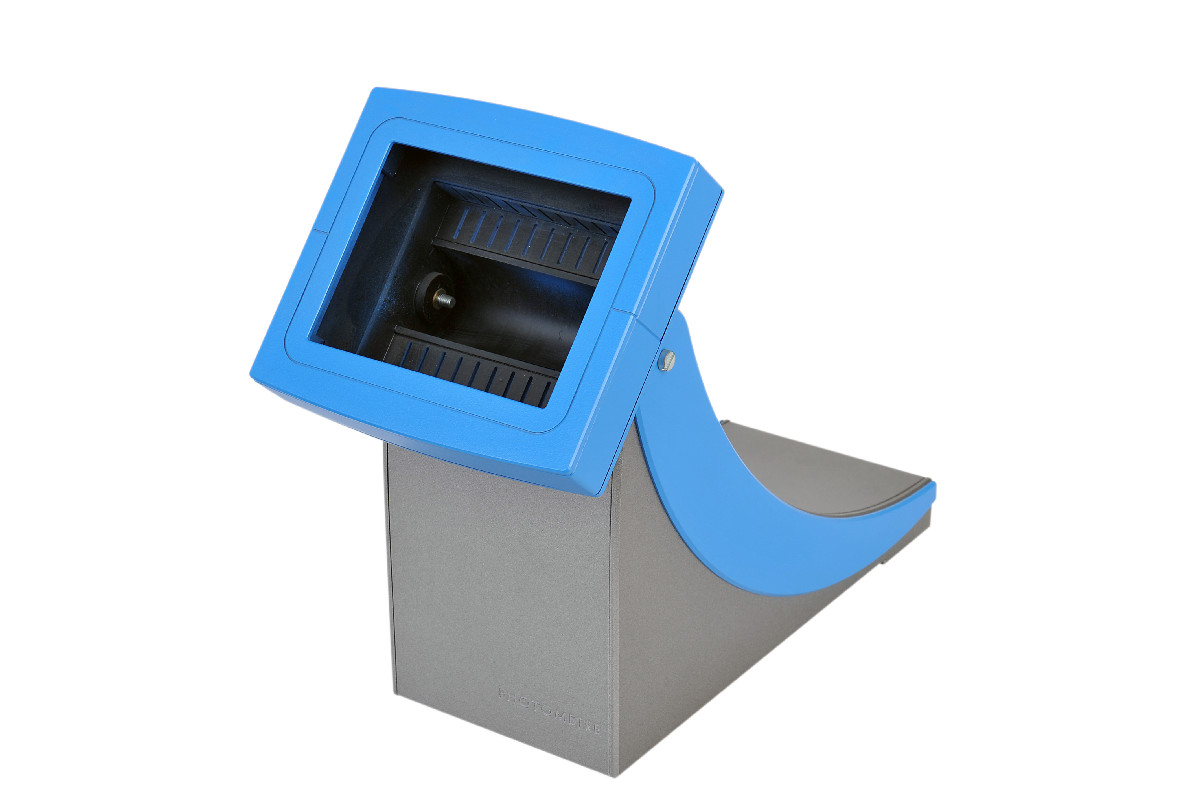
Portfolio
Display housings we have built.
A selection from the monitor and display gallery. Click any image to enlarge.
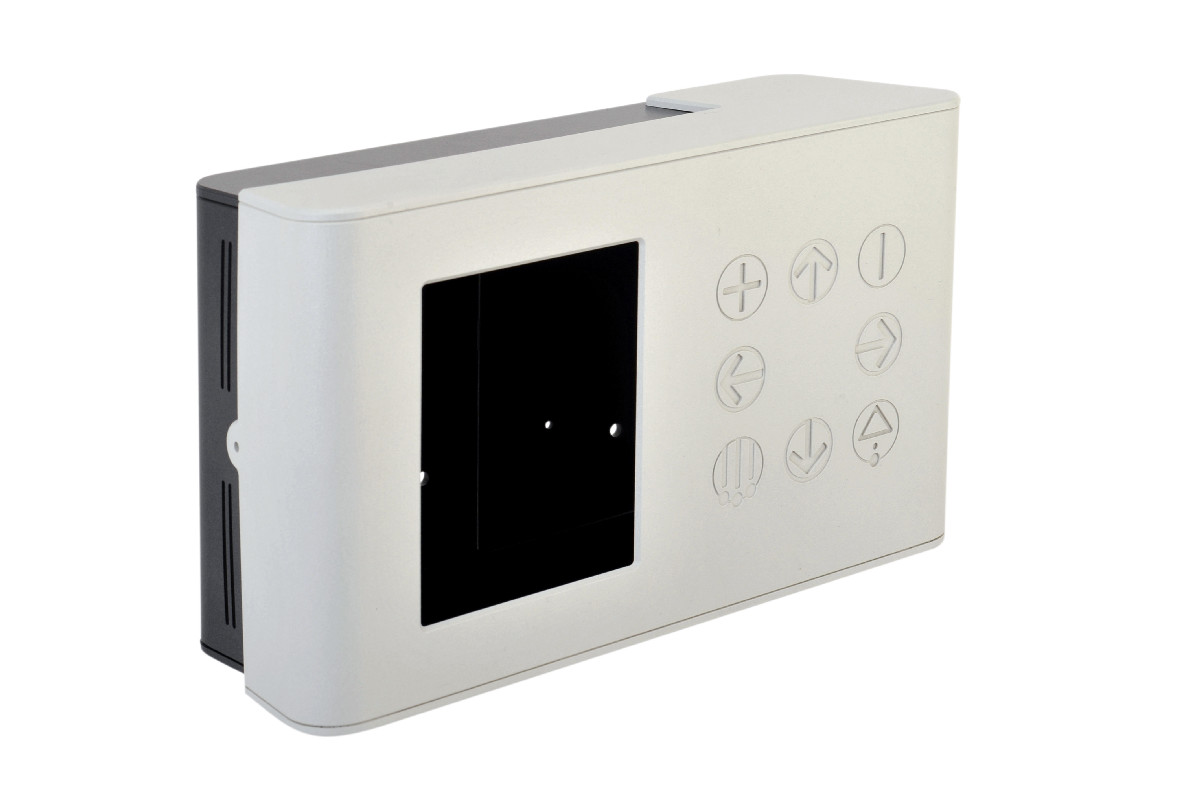
Questions we get asked
Display enclosure FAQ.
Answers from the engineers who quote these jobs. For anything not covered, contact us or read the full FAQ.
Do you need the display module to design the housing?
A CAD file or dimensioned drawing of the module is enough to start. For a prototype, some projects call for the display and board to be shipped to Everett so we can test-fit the unit and confirm it functions before production.
What happens when the display supplier changes the panel?
The opening, mounting holes and any bezel are regenerated in CAD and the CNC program is updated. There is no mold to rework, and simple changes are incorporated on the fly.
Can you do a clear or transparent enclosure?
Yes. Acrylic OPTIX and polycarbonate TUFFAK GP are stocked. Acrylic bonds well and is used for windows and full acrylic housings; polycarbonate is held in a bezel because it does not solvent bond. See acrylic enclosures.
How many units can you make?
The process is ideal from 100 to 10,000 units, and one or two units are possible with a setup charge. Blanket orders schedule releases with a three-week lead time after receipt of PO.
Related
Parts and housings that go with a display.
Bezels, panels, kiosks and printing from the same shop.
Bezels and shrouds
Machined display bezels and shrouds that frame a screen and hide the module edge.
Learn moreCustom panels
Front and replacement panels with openings, printing and engraving.
Learn moreKiosk enclosures
Banking and point-of-sale kiosks reinforced with metal frames and clad in plastic.
See the galleryDigital printing
Full-color UV printing for logos, legends and graphics directly on the housing.
Learn moreFrom the portfolio
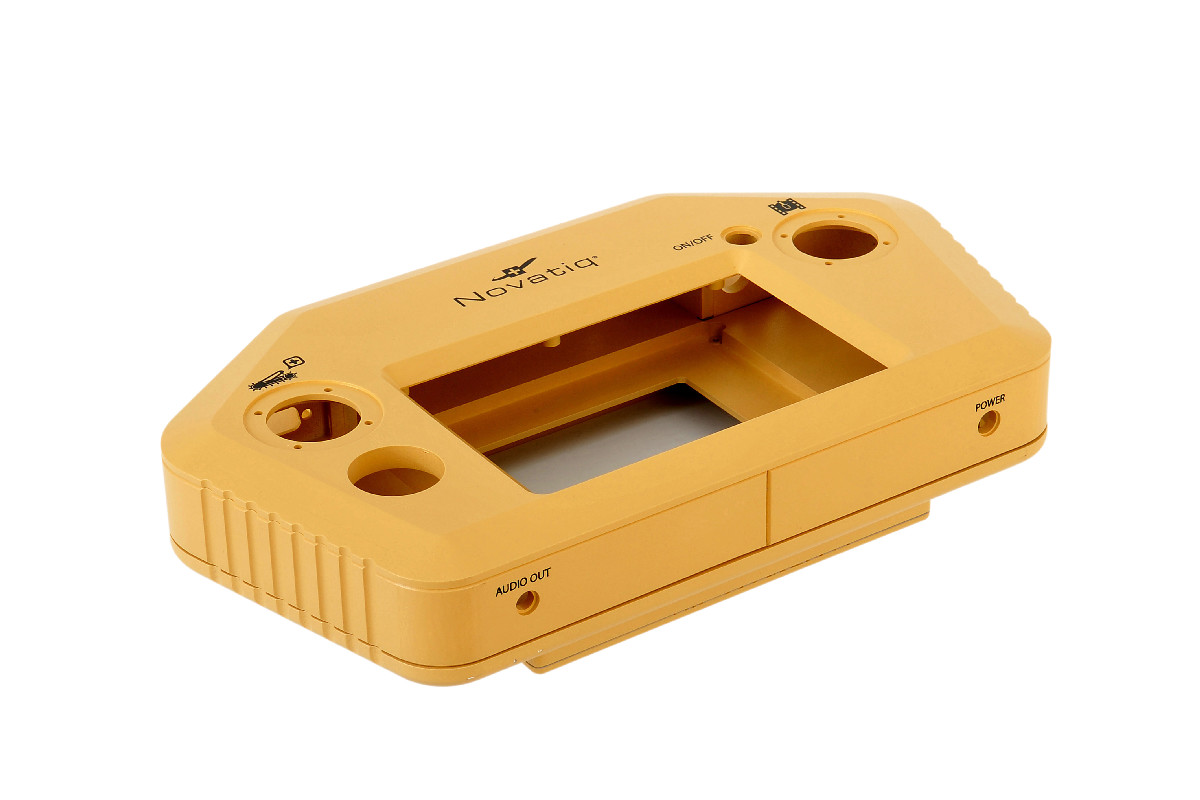
Display enclosures we have built.
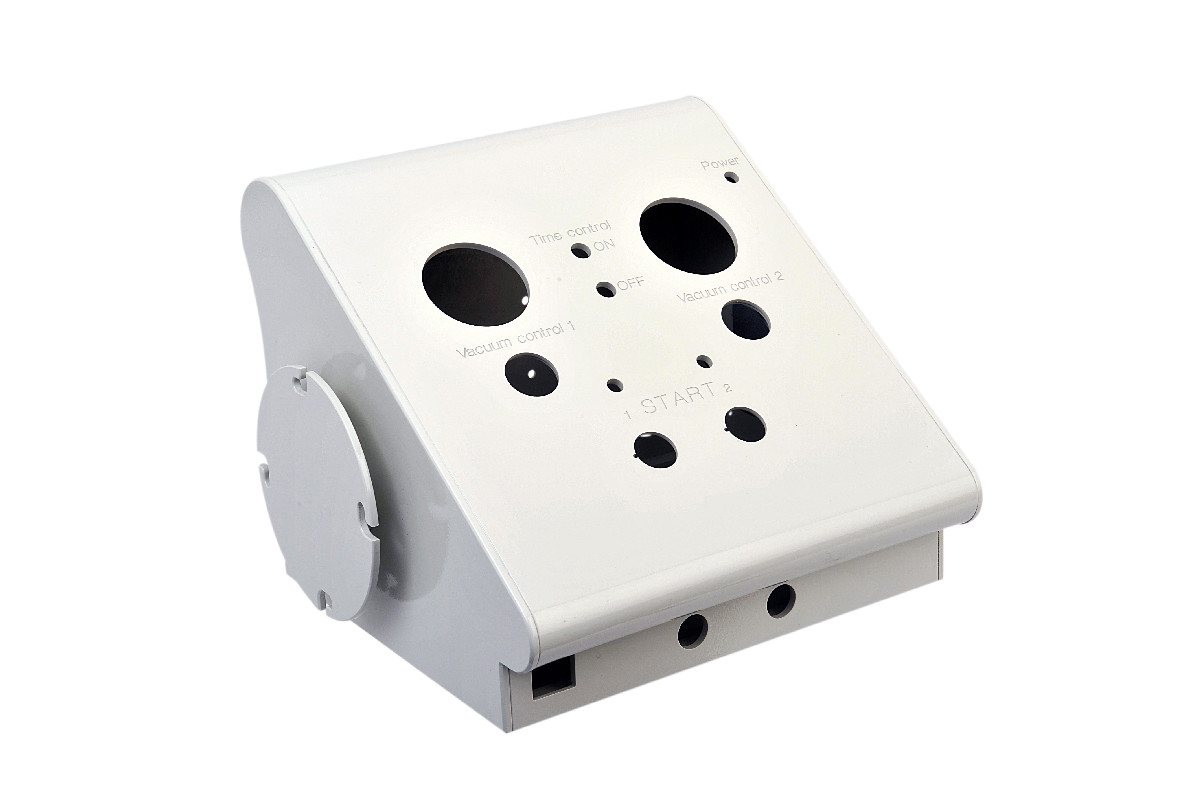
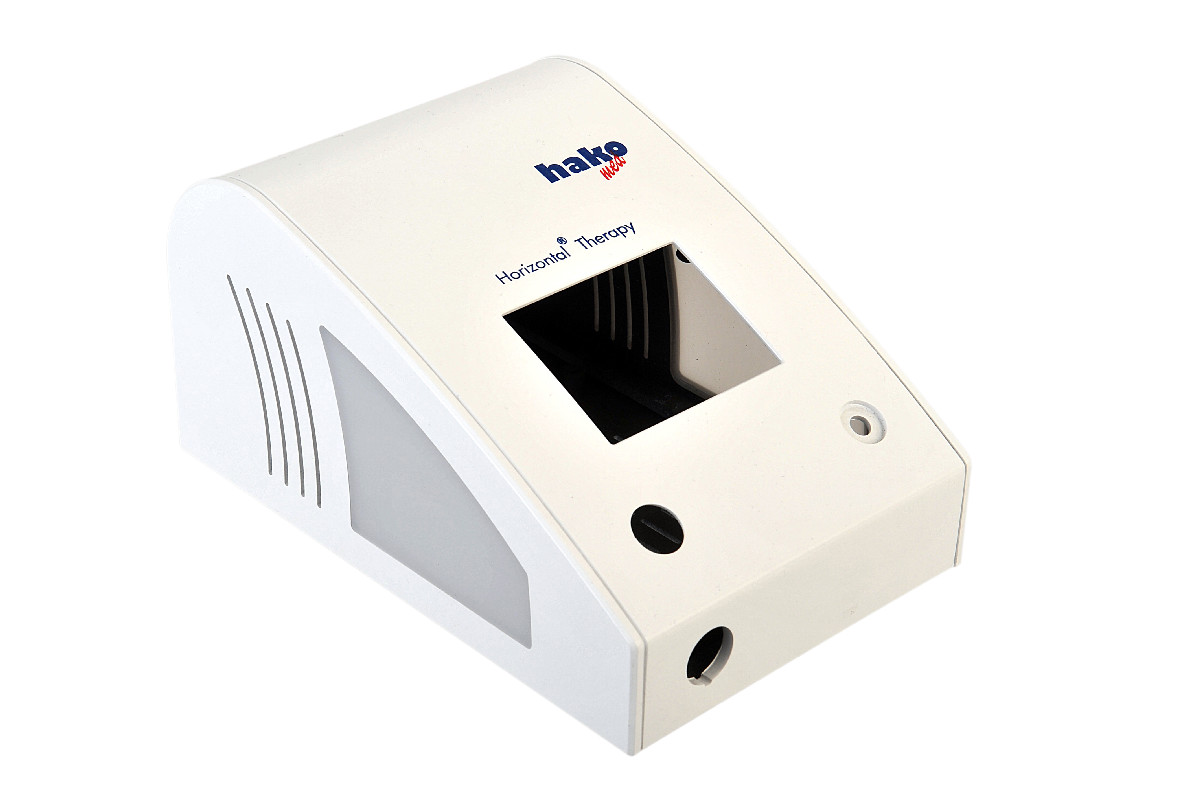
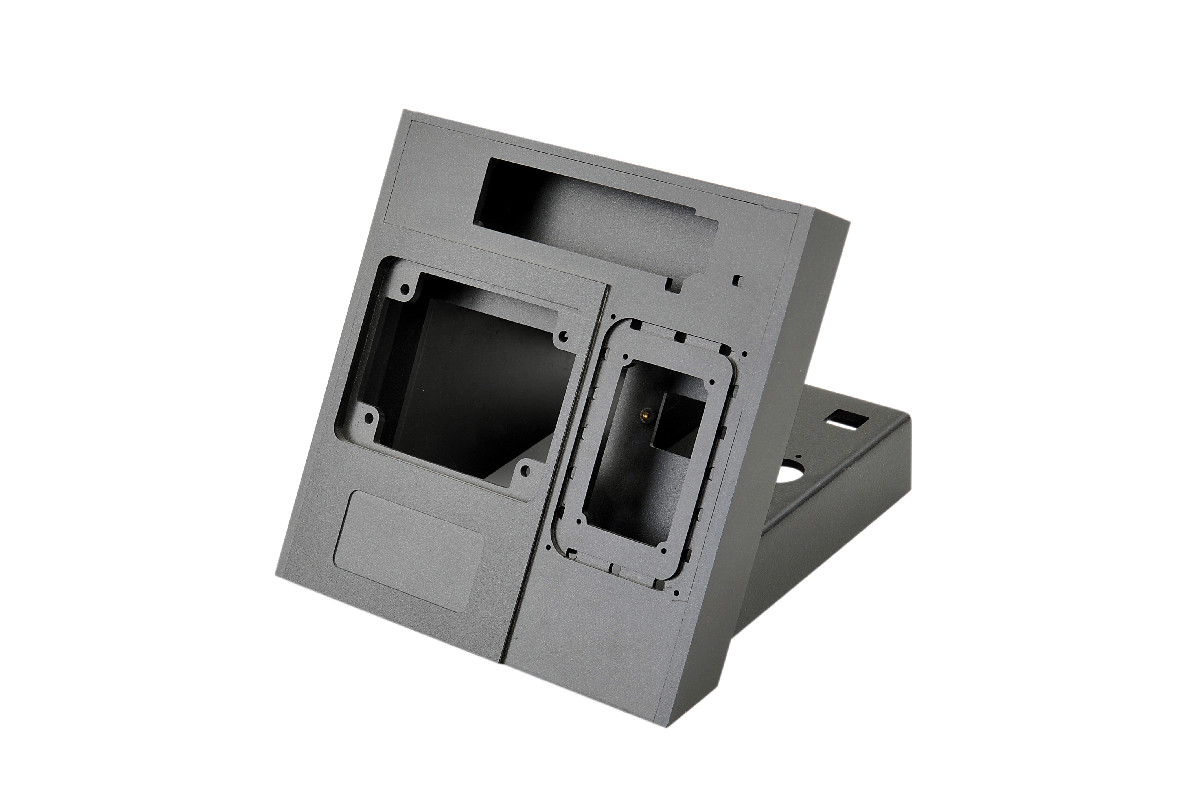
Why engineers choose Toolless
Trusted for enclosures since 1998.
Startups, OEMs and medical device makers across the USA, Canada and Australia come back for the next run. Read more testimonials.
- Years without molds
- 25+
- Certified quality system
- ISO 9001
- Units per order
- 1–10,000
- Sq ft in Everett, WA
- 13,000
“We initially considered injection molding, but with our volume the cost of tooling would never be recovered. It took only a week to settle on a design and get a prototype, and we were in production a week later.”
“I spent 9 years as a quality engineer at Rockwell and tend to be a perfectionist. Your professionalism and diligence in helping evolve our cover is greatly appreciated.”
“After a number of orders, Toolless have become our preferred supplier. Even though we are located in Australia, all deliveries have been fast and hassle free.”
Start your enclosure
Send the board. We’ll send the box.
Quotes come from an engineer, not a form robot. Attach CAD, photos or a sketch and we reply within one business day.