
Handheld enclosures
Handheld Plastic Enclosures
Portable instrument housings built light enough to carry all day and strong enough to survive the drop. Pocket-sized or handled, with battery doors, straps, screens and ports placed by CNC, and no mold to pay for.
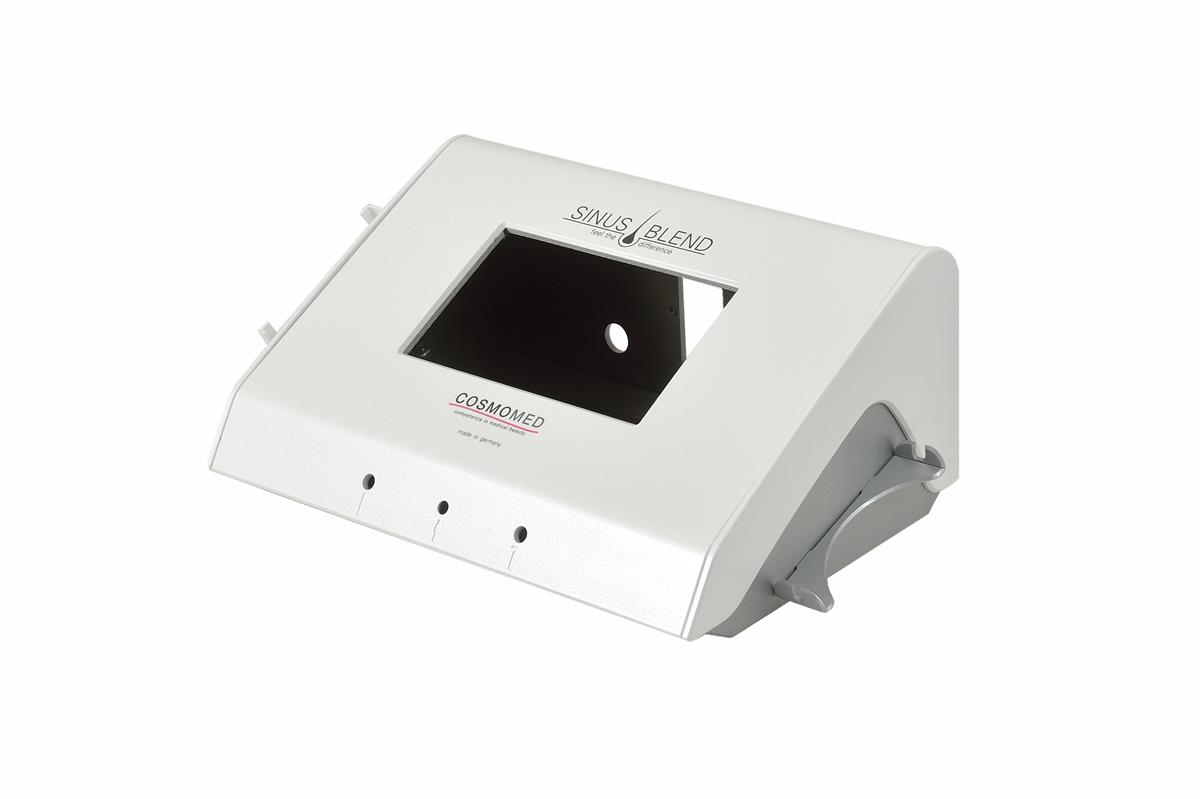
Techniques for manufacturing handheld enclosures
Handheld enclosures that weigh what the electronics weigh, and little more.
For more than 25 years Toolless has designed handheld enclosures, and over that time we have expanded the techniques we can offer. Some handheld instrument enclosures fit in a pocket. Others carry a handle so the product moves easily from site to site. Whatever the size, our engineers work with you on a housing that suits the way the device is held and used.
A handheld project enclosure varies in size, shape and color, and it has to be portable as well as held, so the weight of the unit and of the internal structure is part of the design from the first sketch. The housing also carries more risk than a desktop box: drops, falls and bad weather all land on the case first, so strength and dependability protect the circuit board and everything wired to it.
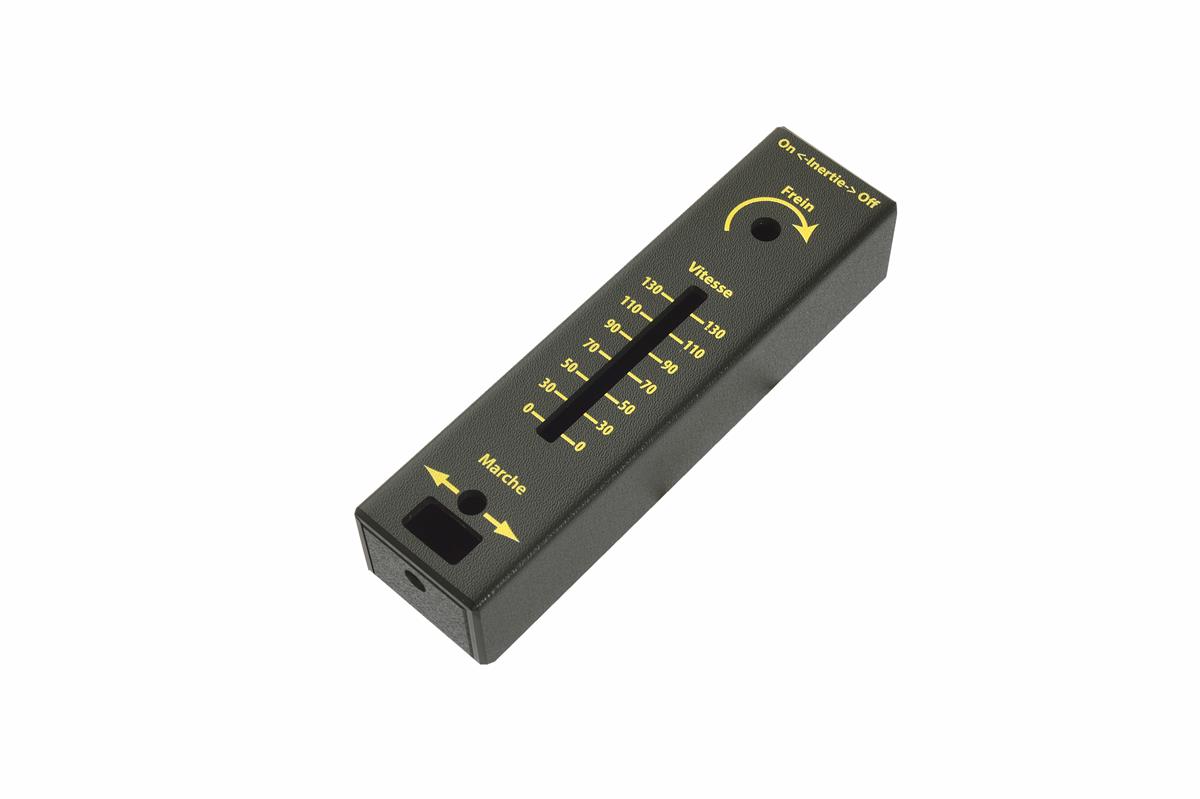
Built for the drop
Fewer parts, stronger joints.
Our tongue-and-groove method bends the sheet, mostly ABS, so the housing needs fewer pieces, then joins them with solvent bonding. The solvent triggers a chemical reaction specific to the plastic and fuses the joint into one wall. Every handheld design is drop tested for quality assurance before it is released.
Look at the materials section for the plastics we stock. If you are unsure what your project needs, contact us and a sales representative will help decide what works best.
Bent, not assembled
Thermal bending turns a lid, a wrap or a battery bay into a single piece of ABS, so the case has fewer seams to open on impact.
Solvent bonded tongue and groove
Machined tongues drop into grooves and the solvent fuses them. The result has the drop performance of a molded shell without a mold.
Sheet thickness chosen for the load
3 mm sheet keeps a pocket device light. Larger handled units step up to 4 mm or 6 mm where the handle and battery pack demand it.
Drop tested in house
Prototypes are tested for fit with your electronics and dropped before production, and the improvements are folded into the program.
Engineered for your application
Every feature a portable device needs, machined into the case.
A handheld plastic enclosure can be a complete product in itself or the remote control for another one. Before we model it, we settle the questions that shape the housing.
- Whether the device communicates with another computer or relays data to a server, and through which ports
- Whether vents are needed to control the temperature of the electronics
- Which buttons, screens and power sources have to be reached from outside
- Whether the device runs on a battery, or is responsible for charging another device
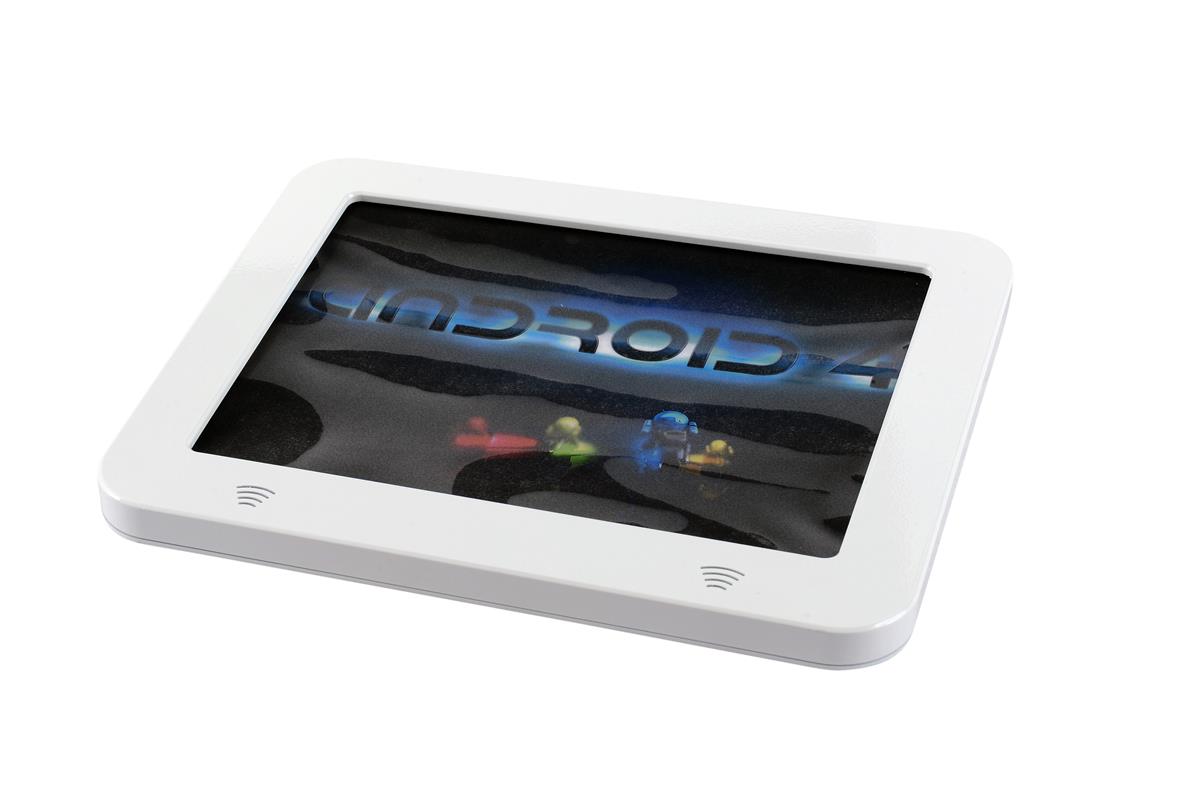
Power
Battery components
Battery components keep the device off the power cord. The compartment can be rearranged and resized for a different cell, and made customer-friendly to swap. Depending on how many times a day it opens, customers choose a simple battery door secured with tape or Velcro, or a more advanced compartment that holds the batteries firmly in place.
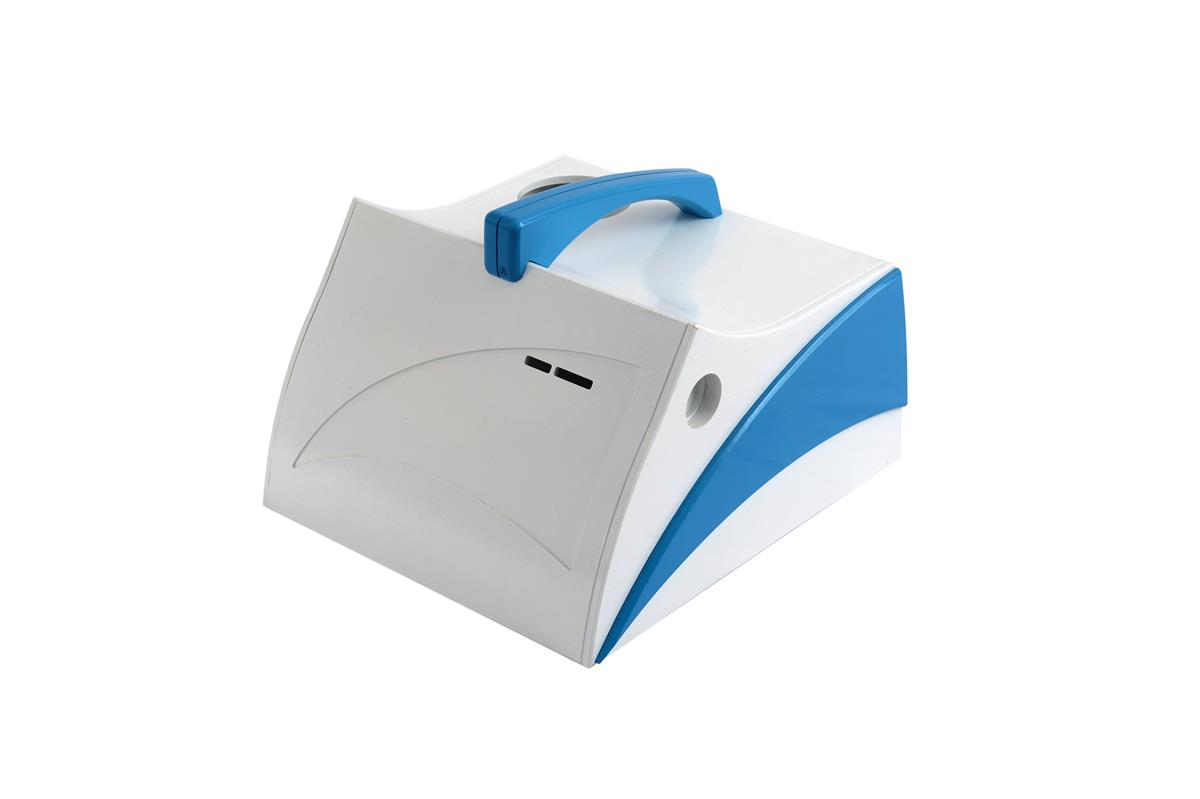
Carrying
Straps, handles and mounts
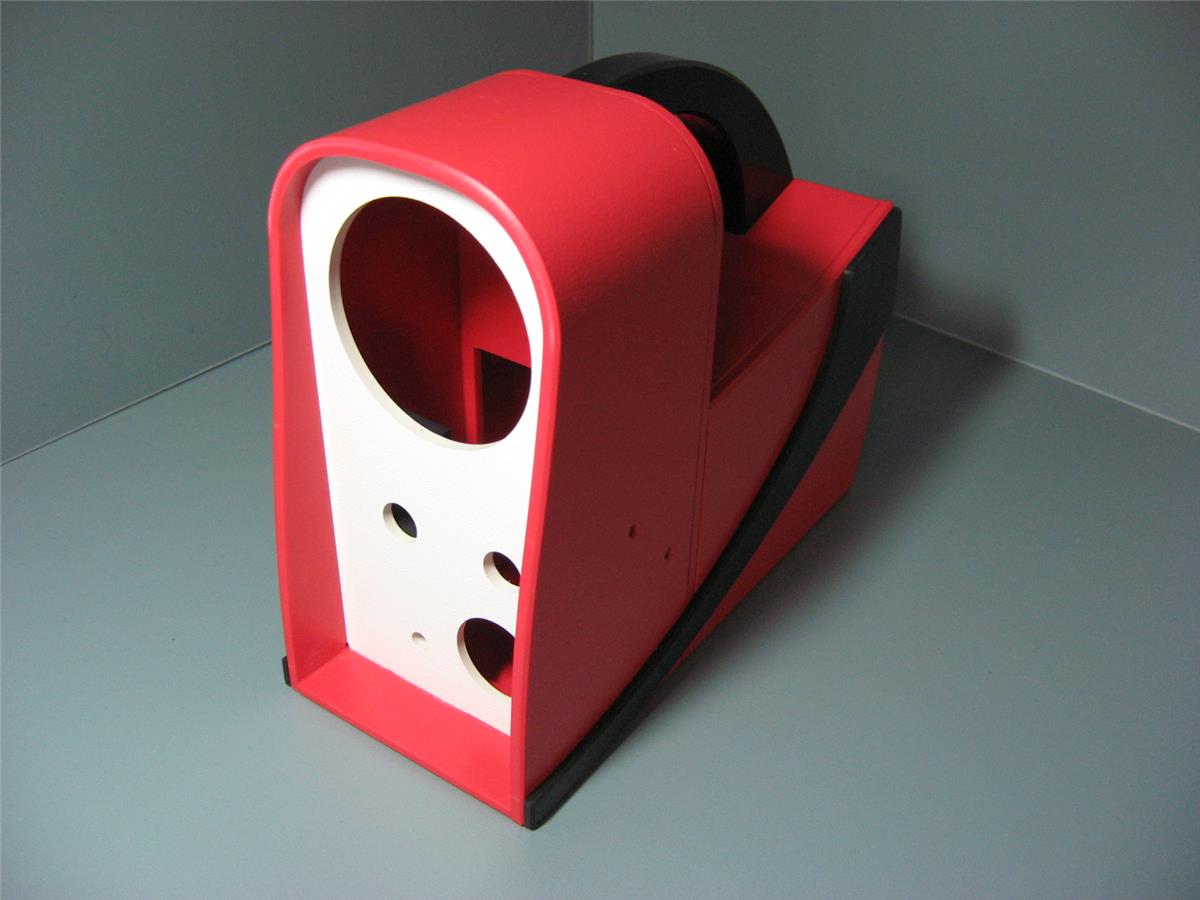
Straps screw to the back of the enclosure or attach through a VESA-mount metal plate; for the plate, four inserts integrated in the plastic is the best option. Handles make carrying easier and add to the look while keeping an ergonomic feel that is comfortable to hold.
Controls
Screens, touchpads and membrane switches
A touchpad lets the operator work on site. LCD screens mount in any device through LCD mounting holes, standoffs or custom features that make the unit turnkey. A membrane switch acts as a keypad without buttons, turning circuits on and off while the enclosure stays handheld.
Openings
Ports, cutouts and printing
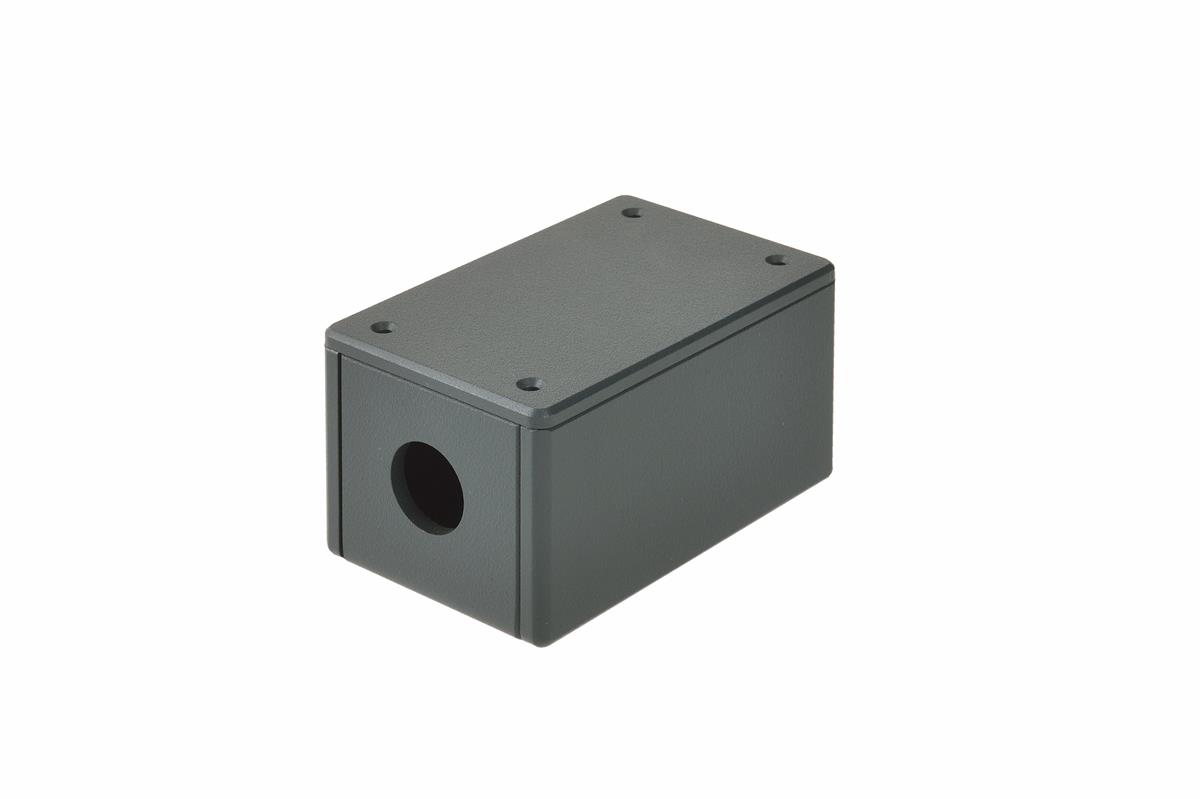
Multiple ports for inputs and outputs, or a single port for a single purpose. Cutouts for vents, ports and LCD screens can be square, circular, oblong, long, short, thin or wide. Digital printing, unlike silkscreening, labels ports and places logos in crisp, vibrant color.
From prototype to production
Every purpose starts with a need and ends with a handheld enclosure.
Handheld project enclosures measure heart rate, track sleep patterns and house handheld computers such as a Raspberry Pi. Mounting features are next to unlimited and access to the inside is designed around how your team services the device.
When the standard options do not cover the requirement, we design something unique for it. Contact our sales team, start working with one of our engineers on a prototype, and move your handheld instrument project into production on the same machines.
Related
Other ways to house a portable device.
Wall mount enclosures
When the device stays put: keyholes, flanges, latches and hinged doors.
Learn moreElectronic enclosures
Project boxes designed around the board, the display and the power supply.
Learn moreRaspberry Pi cases
Custom handheld and desktop cases for every Pi generation.
Learn moreMedical enclosures
Portable diagnostic and therapy devices with cleanable, certifiable housings.
Learn moreFrom the portfolio
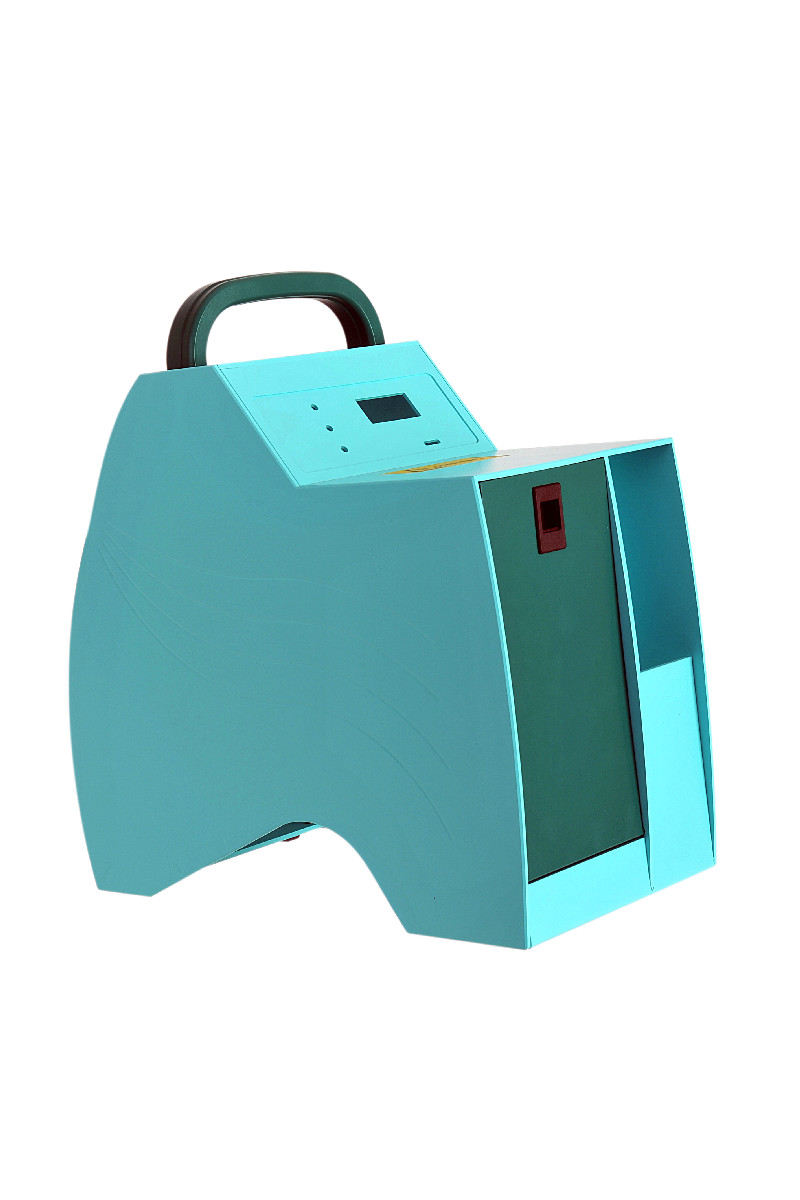
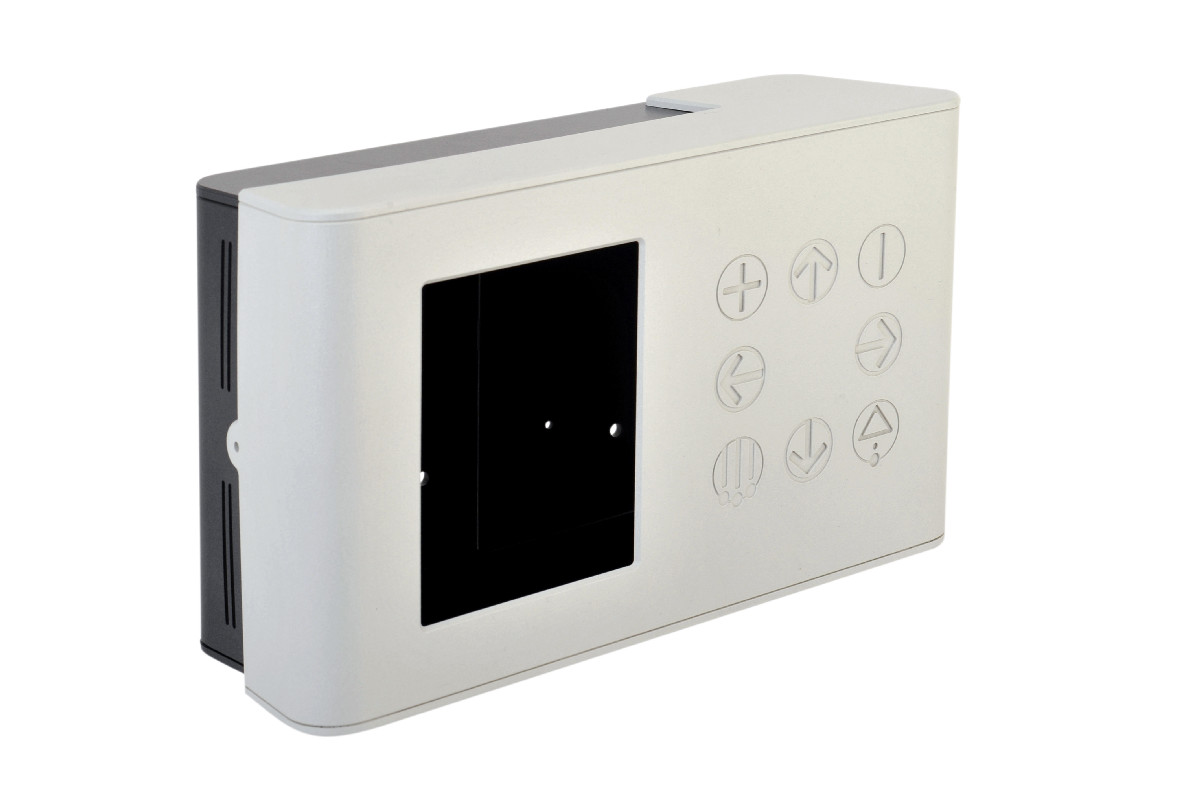
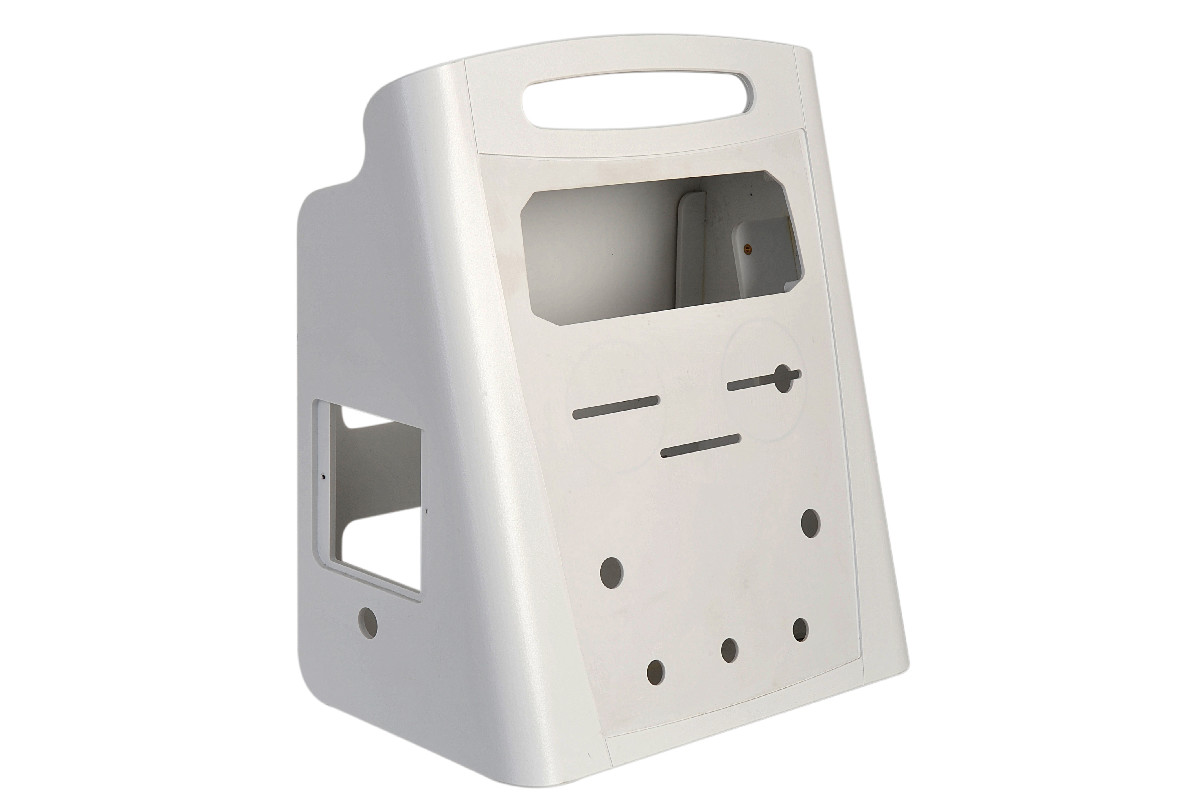
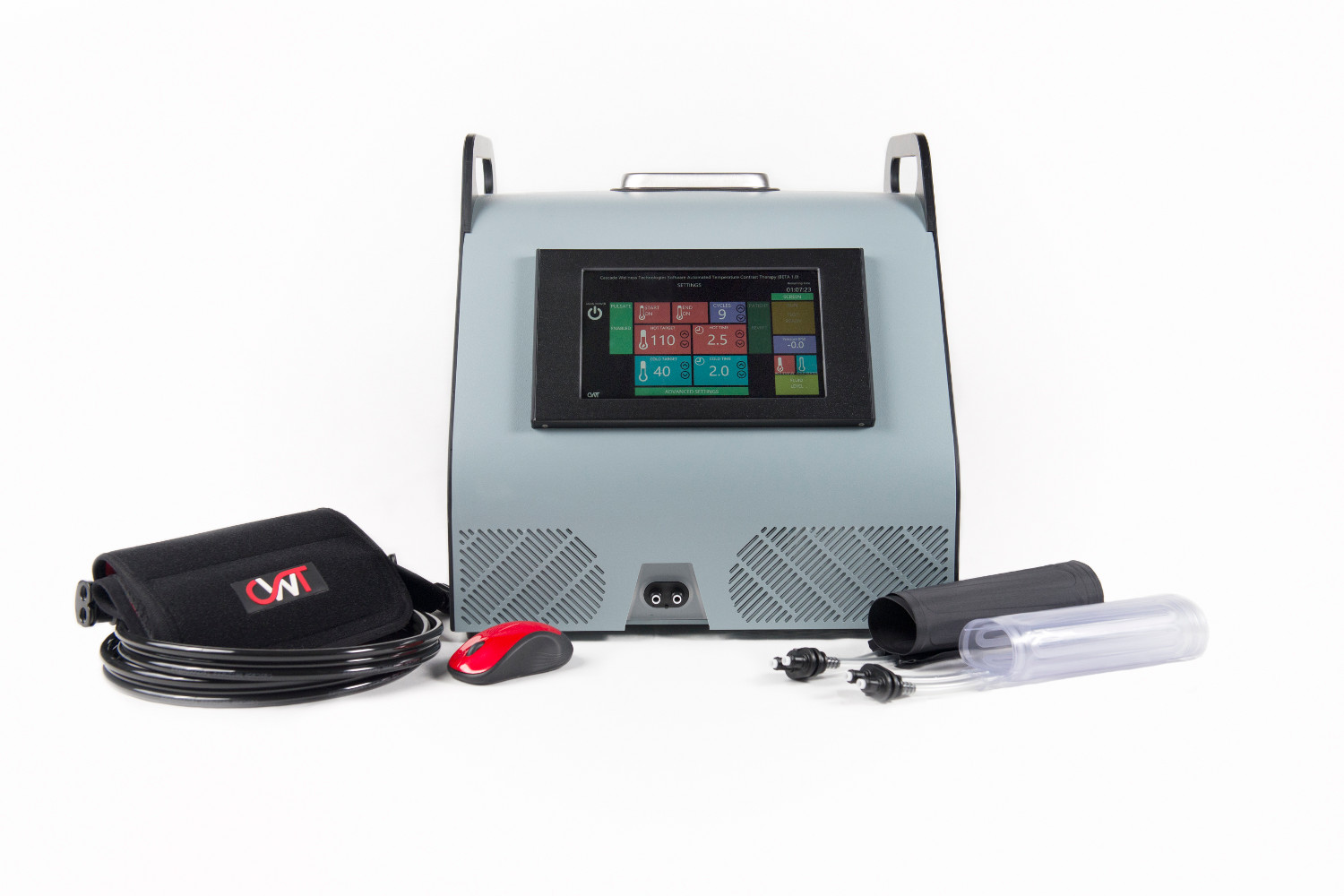
Handheld and portable enclosures we have built.
Why engineers choose Toolless
Trusted for enclosures since 1998.
Startups, OEMs and medical device makers across the USA, Canada and Australia come back for the next run. Read more testimonials.
- Years without molds
- 25+
- Certified quality system
- ISO 9001
- Units per order
- 1–10,000
- Sq ft in Everett, WA
- 13,000
“We initially considered injection molding, but with our volume the cost of tooling would never be recovered. It took only a week to settle on a design and get a prototype, and we were in production a week later.”
“I spent 9 years as a quality engineer at Rockwell and tend to be a perfectionist. Your professionalism and diligence in helping evolve our cover is greatly appreciated.”
“After a number of orders, Toolless have become our preferred supplier. Even though we are located in Australia, all deliveries have been fast and hassle free.”
Start your enclosure
Send the board. We’ll send the box.
Quotes come from an engineer, not a form robot. Attach CAD, photos or a sketch and we reply within one business day.