
Enclosure pricing
Custom Plastic Enclosure Cost: What Sets the Price Without a Mold
There is no tooling line on a Toolless quote, so the price of a custom plastic enclosure comes down to material, machine time, bends, assembly and finishing, spread across the quantity you order. This page explains each of those so you can shape the design before you ask for a number.
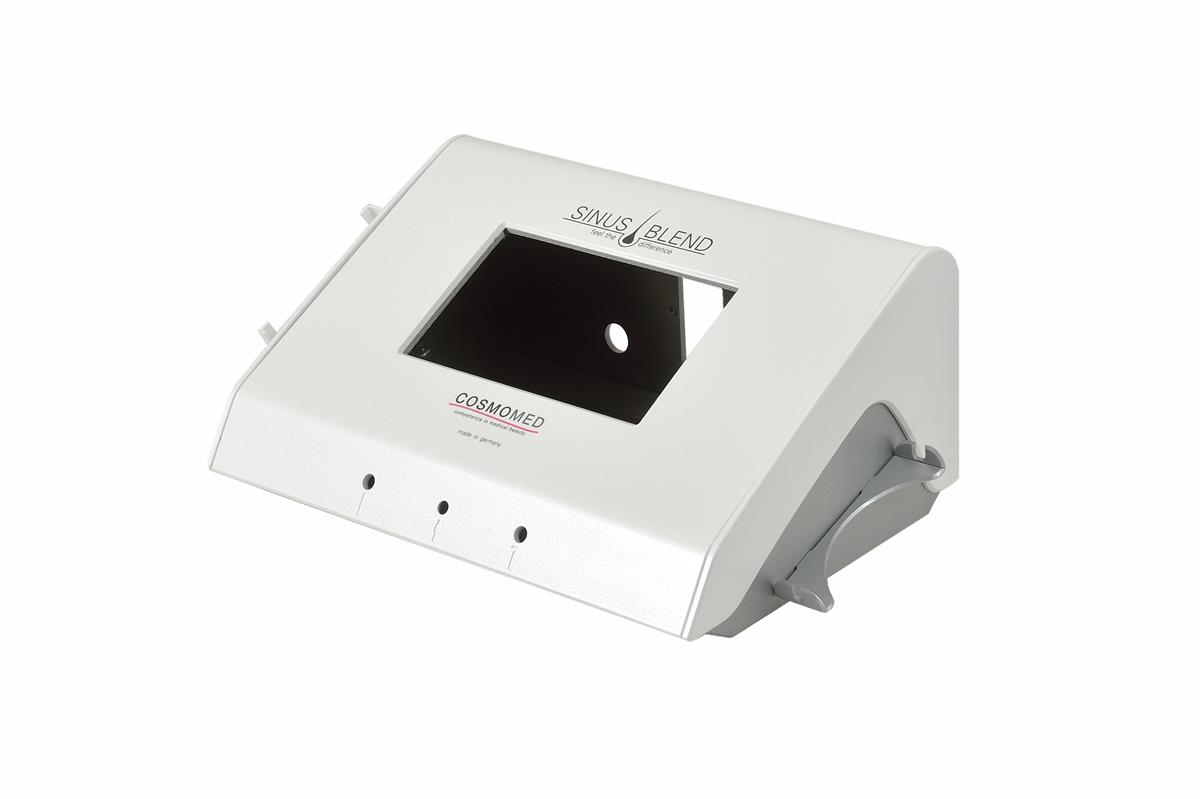
How the quote is built
Custom plastic enclosure cost with the tooling removed.
An injection-molded enclosure carries two prices: the mold, paid before the first part exists, and the piece price that amortizes it. The mold is what makes molding expensive below a few thousand units and what makes a design change risky at any volume. The Toolless process has no mold, no tooling and no jigs, so custom plastic enclosure cost here contains only the work done on your parts.
That work is the CNC time to machine the flat pattern, the saw time to score the bends, the bender time to fold them, the labor to install inserts and solvent bond the assembly, and any secondary operations such as digital printing, engraving, painting or EMI coating. Material is priced by the sheet consumed. Engineering is included with the prototype: a SolidWorks model in your format, reviewed against our design rules before anything is cut, and the design belongs to you. The comparison with molding is laid out on the Toolless vs injection molding page.
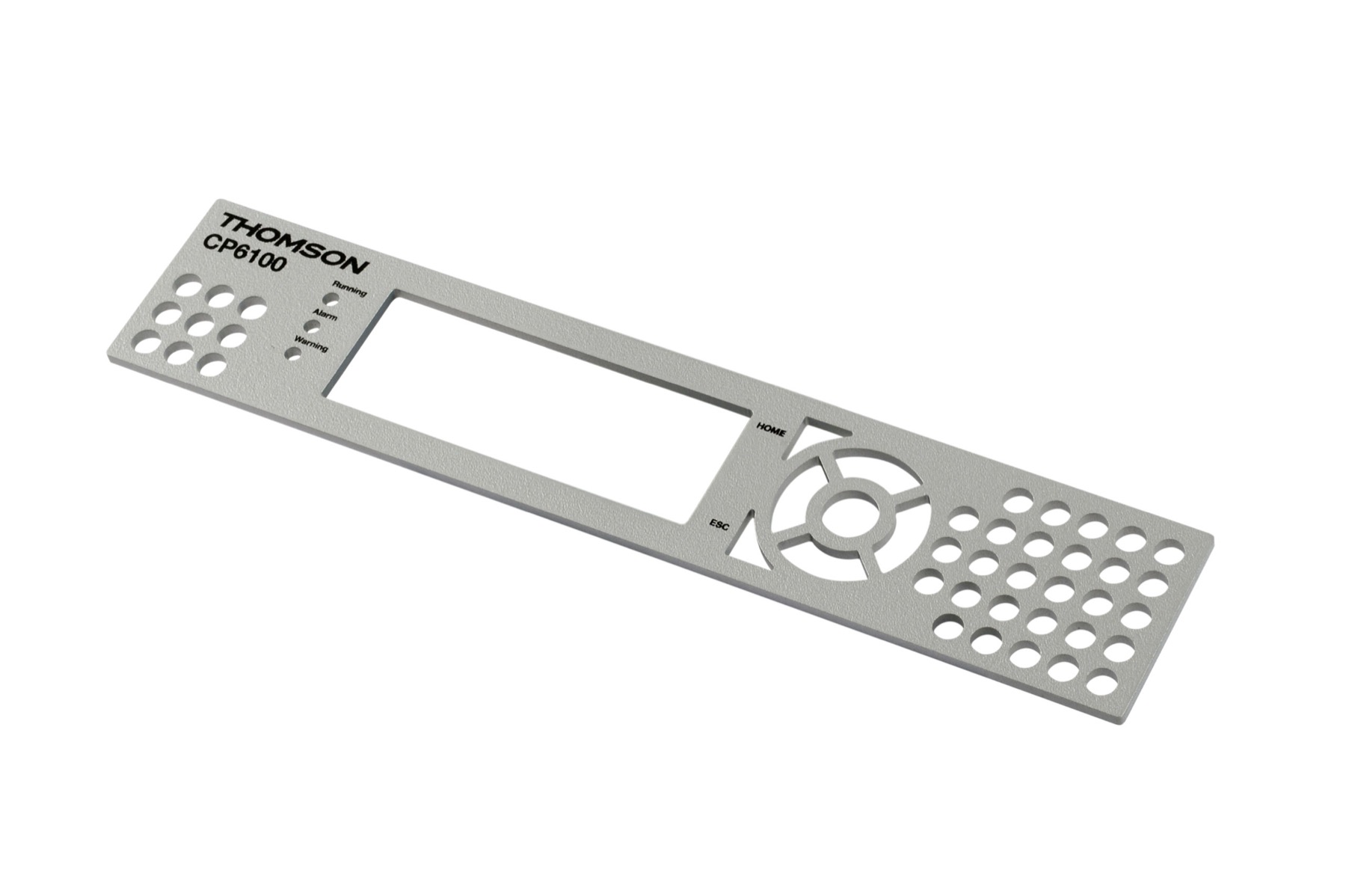
Cost drivers
Four things that move enclosure pricing.
Each one is under your control at the design stage, and each one is checked in the engineering review.
Quantity
One or two units are possible but carry a setup charge. From 100 to 10,000 units the process is at its most economical, and a blanket order of 10 to 10,000 units spreads setup across releases shipped three weeks after each PO.
Piece count and bends
An average enclosure is eight pieces in two thicknesses. Every extra piece adds machining, edge routing and a bonded joint; every bend adds a saw cut and a bender cycle. A design that folds more and bonds less costs less.
Features and hardware
Reverse-side machining doubles the labor on a piece. Slots cost less than rows of holes. Brass inserts cost more than self-tapping bosses and earn it where a screw is cycled. Standard hinges and latches beat custom ones.
Material and finish
General-purpose ABS in stock colors is the baseline and covers 80 percent of production. Flame-retardant grades, polycarbonate, thicker sheet, printing, painting and EMI coating each add a step. A custom color needs around 2,000 pounds of material.
Where the money goes
Injection molding tooling cost against a no-tooling quote.
The difference is not only the size of the first invoice. A mold fixes the geometry, so a moved connector or a taller boss means rework or a new tool. Every Toolless customer has made at least one design upgrade in a product's life, and for us that is a reprogramming job, frequently with no charge at all. Read the flexible changes page for how revisions are handled mid-run.
Lowering the quote
Design choices that take cost out of a custom enclosure.
These come straight from the shop's design rules. An engineer will raise them during review, and applying them before you send the model shortens that review.
- Design as a flat pattern and keep all machining on one side of the sheet
- Use stock ABS in white, black, light grey or dark grey at 3, 4, 6 or 8 mm
- Combine bosses where possible and keep them under 9 mm tall
- Choose self-tapping bosses for screws installed once or twice; specify brass inserts only for repeated service
- Machine vents as slots rather than hole arrays, at 2 mm minimum width
- Put large pockets through the sheet with a bonded insert; it removes machine marks and costs less above about 9 square inches
- Pick standard hinges, latches, belt clips and DIN clips over custom hardware
- Consider the pre-designed C Box, the most economical Toolless enclosure, before a fully custom body
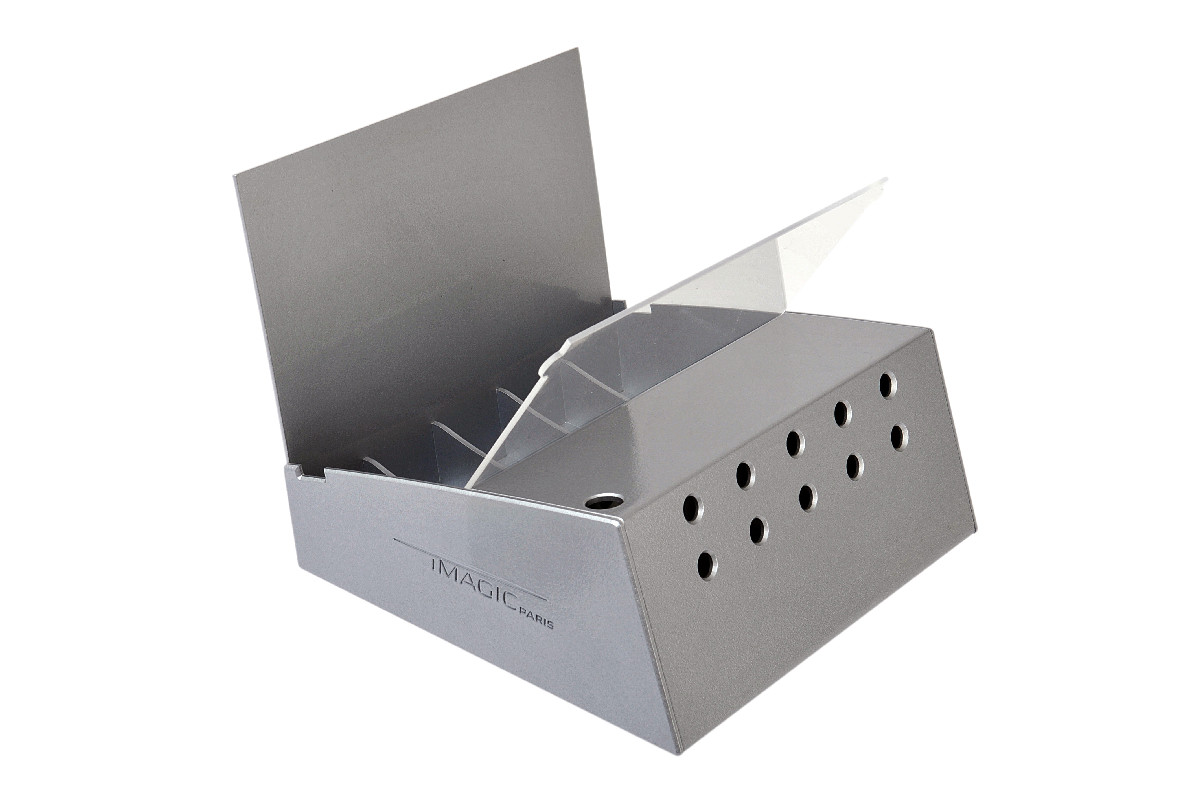
How to get a quote
Getting a number for your board.
Every enclosure is quoted from its own model, so the answer to how much a custom enclosure costs takes a drawing and a quantity. Three routes lead there.
Send CAD or a board description
STEP, IGES, SAT, SolidWorks, STL or DXF, or the board name plus a connector list and your target quantity, through the quote form.
Engineering review and quote
One engineer checks the design against the rules above, applies the cost-saving changes you approve, and returns a quote for the prototype and the production quantities you named.
Instant pricing on standard boxes
For a C Box or U Box sized to your board, our sister platform ElectroniCase gives an instant online quote on standard enclosures.
Related
Keep reading.
Blanket order program
Volume pricing on 10 to 10,000 units without carrying inventory.
Blanket ordersStandard enclosures
C Box and U Box designs at standard pricing, resized to your board.
Standard enclosuresTechnology matrix
Toolless against injection molding and pressure forming, line by line.
Compare processesFAQ
Quantities, changes, durability and finish questions from customers.
Read the FAQQuestions
Enclosure pricing, answered.
Is there a tooling or mold charge?
No. The process uses no molds, tooling or jigs. The quote covers material, machining, bending, assembly and any finishing on the parts themselves, and the engineering for a prototype is included in its price.
What is the minimum order, and does a small order cost more per unit?
There is no minimum order. One or two units carry a setup charge, so the unit price is highest there. Between 100 and 10,000 units the process is at its most economical, and blanket orders spread setup across scheduled releases.
What does a design change cost after the first run?
A change is a program edit rather than a mold modification. Depending on complexity there is frequently no additional expense, and where there is a charge it is minimal compared with retooling. Simple changes are incorporated on the fly, even during a production run.
Does a custom color add cost?
Stock ABS in white, black, light grey and dark grey carries no premium. A custom color is sourced to order with a minimum of around 2,000 pounds of material, which fits volume programs. Two-tone panels and full-color digital printing give branded results from stock sheet.
Why engineers choose Toolless
Trusted for enclosures since 1998.
Startups, OEMs and medical device makers across the USA, Canada and Australia come back for the next run. Read more testimonials.
- Years without molds
- 25+
- Certified quality system
- ISO 9001
- Units per order
- 1–10,000
- Sq ft in Everett, WA
- 13,000
“We initially considered injection molding, but with our volume the cost of tooling would never be recovered. It took only a week to settle on a design and get a prototype, and we were in production a week later.”
“I spent 9 years as a quality engineer at Rockwell and tend to be a perfectionist. Your professionalism and diligence in helping evolve our cover is greatly appreciated.”
“After a number of orders, Toolless have become our preferred supplier. Even though we are located in Australia, all deliveries have been fast and hassle free.”
Start your enclosure
Send the board. We’ll send the box.
Quotes come from an engineer, not a form robot. Attach CAD, photos or a sketch and we reply within one business day.