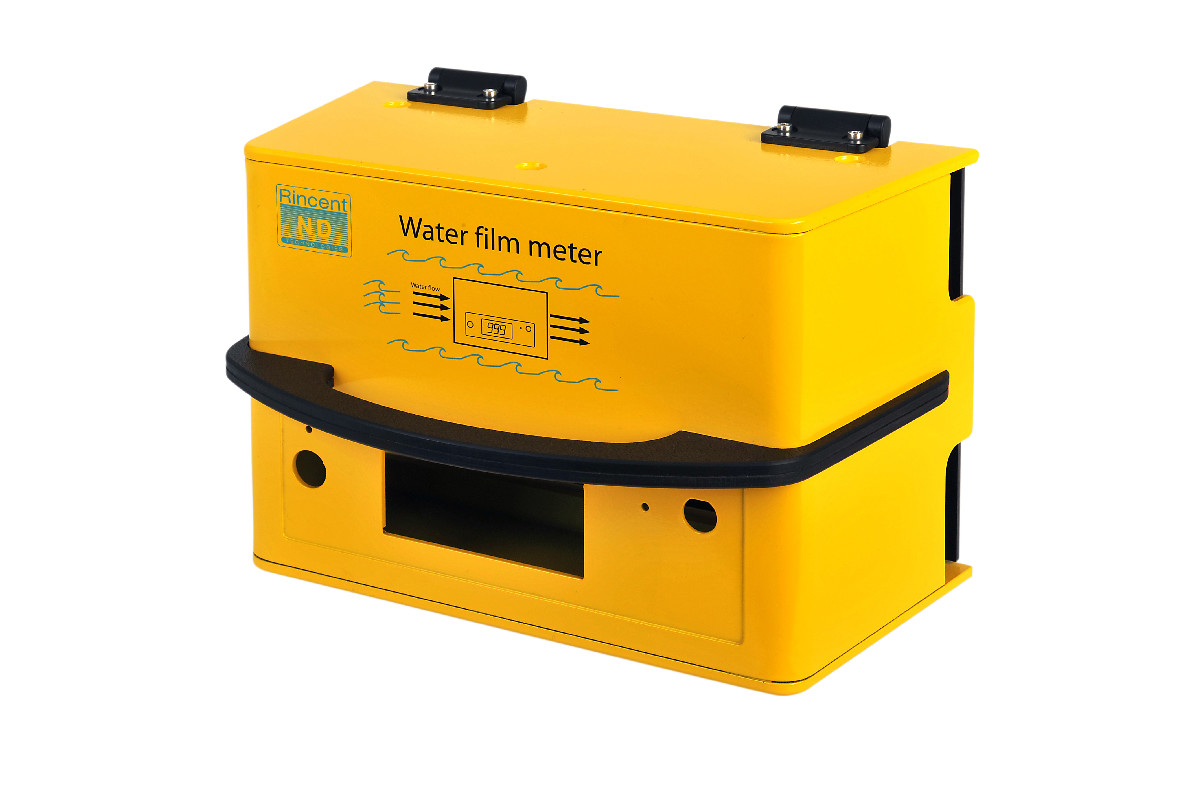
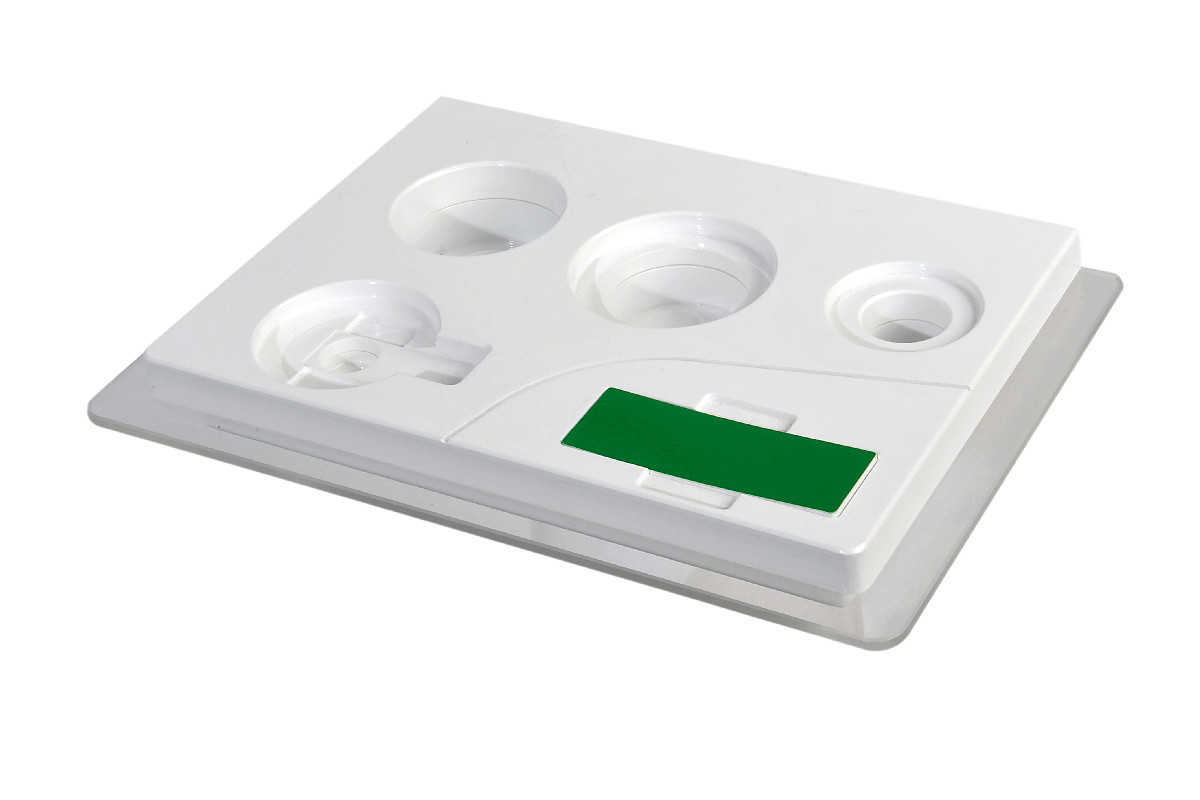
Battery safety standards are written for the cell, the pack, the end product or the installation, and which ones apply depends on what you are building. This post maps the common standards to the products they cover, then explains what they mean for the housing: the material, the path for heat and gas, the abuse the case must survive, and how the terminals are protected.
One boundary first. The device maker certifies the battery and the product, normally through a test lab. Toolless builds custom battery enclosures to the approved design, in the material specified. Knowing what the lab will test is how you avoid redesigning the housing after the first submission.
Four layers: cell, pack, product, system
Most confusion comes from mixing layers. A cell standard covers the cell maker’s product, and you buy cells that already carry it. A pack standard covers the cells, the protection circuit and the case around them. An end-product standard, such as IEC 62368-1 for audio, video and IT equipment, IEC 61010-1 for measurement and laboratory equipment or IEC 60601-1 for medical devices, adds its own rules for batteries and enclosures. A system standard covers a complete installation such as a building’s energy store.
The housing engineer works mostly at the pack and product layers, because that is where the case is part of the test sample.
The standards and what each covers
| Standard | Covers | What it means for the housing |
|---|---|---|
| UL 1642 | Lithium cells | Nothing directly; confirm your cells carry it or IEC 62133-2, because pack evaluations start from recognized cells |
| IEC 62133-2 (UL 62133-2 in North America) | Portable sealed lithium cells and the batteries made from them | The pack is drop tested, and a case stress test at high ambient temperature checks that the case does not distort enough to expose the internals |
| UL 2054 | Household and commercial battery packs | Enclosure tests include a steady force applied to the case, mold stress relief in an oven and a drop impact |
| UL 2271 | Batteries for light electric vehicles such as e-bikes, scooters and wheelchairs | The pack is judged against the mechanical abuse of a vehicle in use, so its case is structure, not a cover |
| UL 1973 | Stationary batteries (UPS, renewable energy storage) and motive auxiliary power | Large modules in racks and cabinets; plastic appears mainly on covers, bezels and controller housings |
| UL 9540 and UL 9540A | Complete energy storage systems; 9540A is the test method for thermal runaway fire propagation | The system is evaluated as a whole, 9540A results feed the installation codes, and the cabinet is usually metal |
| UN 38.3 | Lithium cells and batteries in transport, including those installed in equipment | Eight tests: altitude, thermal cycling, vibration, shock, external short circuit, impact or crush, overcharge and forced discharge |
Two practical notes. If the housing is the battery’s own case, it is part of what passed UN 38.3 and the pack standard, so ask your lab whether a change to it triggers a retest before you make the change. And if your product is a large stationary system, we are a supplier for its plastic trim, display and controller housings, not for the cabinet.
Flame-rated material
End-product standards set a minimum flammability class for any material that serves as a fire enclosure, and containing a battery fault is one of the jobs a fire enclosure exists for. The class required depends on the standard and the energy involved, so get it from your lab in writing before choosing sheet.
For a V-0 requirement we stock two materials: Royalite flame-retardant ABS (3 mm, black or white) and Boltaron 4335, an acrylic/PVC alloy with good impact and chemical resistance. General-purpose ABS, polycarbonate and PETG are rated HB. An HB material suits chargers and low-power devices where the certification plan allows it, but it will not meet a V-0 call-out.
Two details catch people out. A UL 94 rating is listed for a minimum thickness, so check that every wall is at least that thick. And the rating belongs to the material, not the housing, so the lab will ask for the material’s data; our materials page links the manufacturer’s data sheet for each stocked sheet.
Heat by design, gas by plan
A battery housing vents for two reasons. The everyday one is heat: cells and the protection circuit warm up during charge and discharge, and vent slots with matched inlet and outlet area carry it away. Plastic does not spread heat the way a metal wall does, so the airflow has to do the work.
The rare one is a fault. A lithium cell in thermal runaway releases hot, flammable gas, and a cylindrical cell normally vents through its positive end. The housing should give that gas a route that points away from the user’s hands and face, and it should not trap it: an airtight box around a large pack builds pressure until a joint opens somewhere you did not choose. Where you need both an IP rating and a pressure path, specify a breather or pressure-relief vent as a purchased component rather than improvising one.
Mechanical abuse
Drop, impact and steady-force tests all load the case, and a case that cracks can expose cells or let them short. Our housings are as strong as injection-molded parts made from similar materials and pass the usual drop tests. When a pack must pass a specific mechanical test, we design for it with 6 or 8 mm sheet, corner doublers, ribs along the load path and reinforcement at the bonded joints.
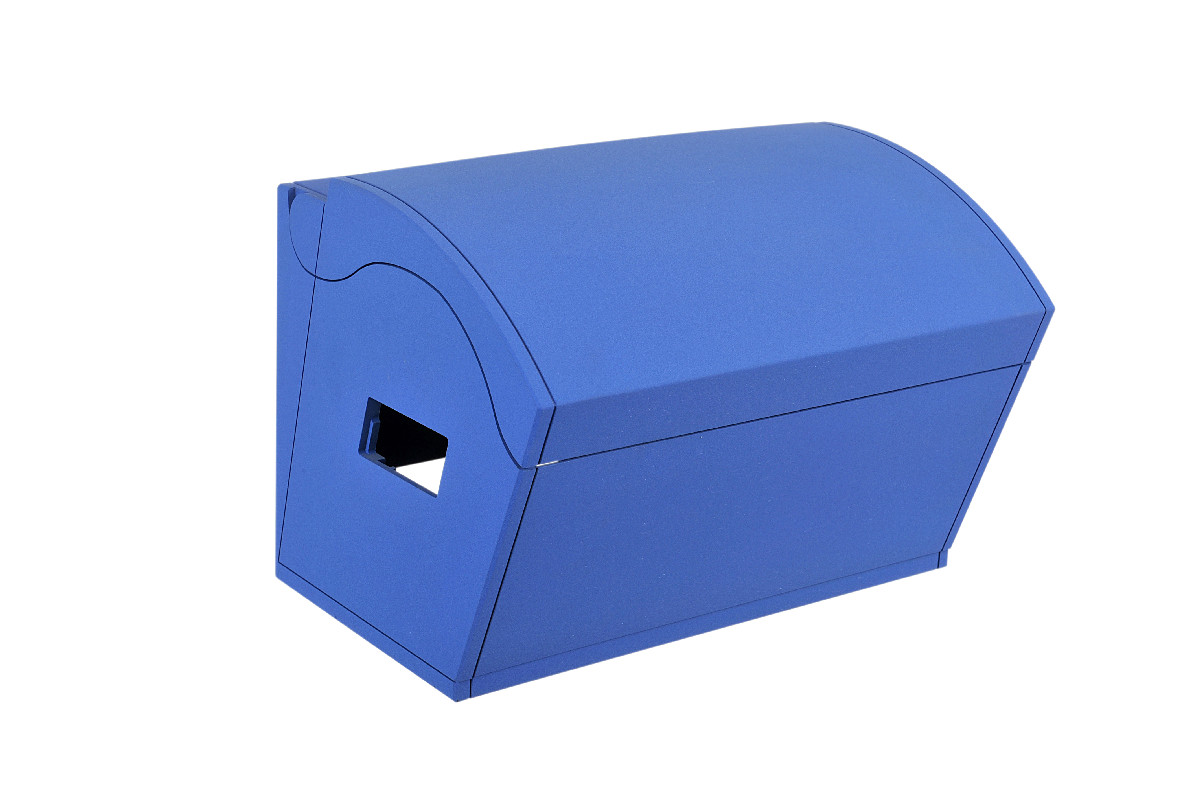
Forming several faces from one bent or rolled sheet, like the curved top above, removes seams where an impact would otherwise land. Cell retention, handles and mounting are covered in our post on designing plastic battery enclosures for industrial equipment.
Terminals, insulation and markings
The pack and transport standards above all include an external short-circuit test, and the housing is the first defense against an accidental short in use. Recess external terminals below the surface or put them behind a cover, so a coin, key or dropped tool cannot bridge them. Key the connector so it mates one way only.
Inside, keep cell terminals and bus bars clear of screws, inserts and any other metal in the housing. Where a screw tip could come near a cell, add an insulating barrier and check the clearance in the 3D model, not on the prototype.
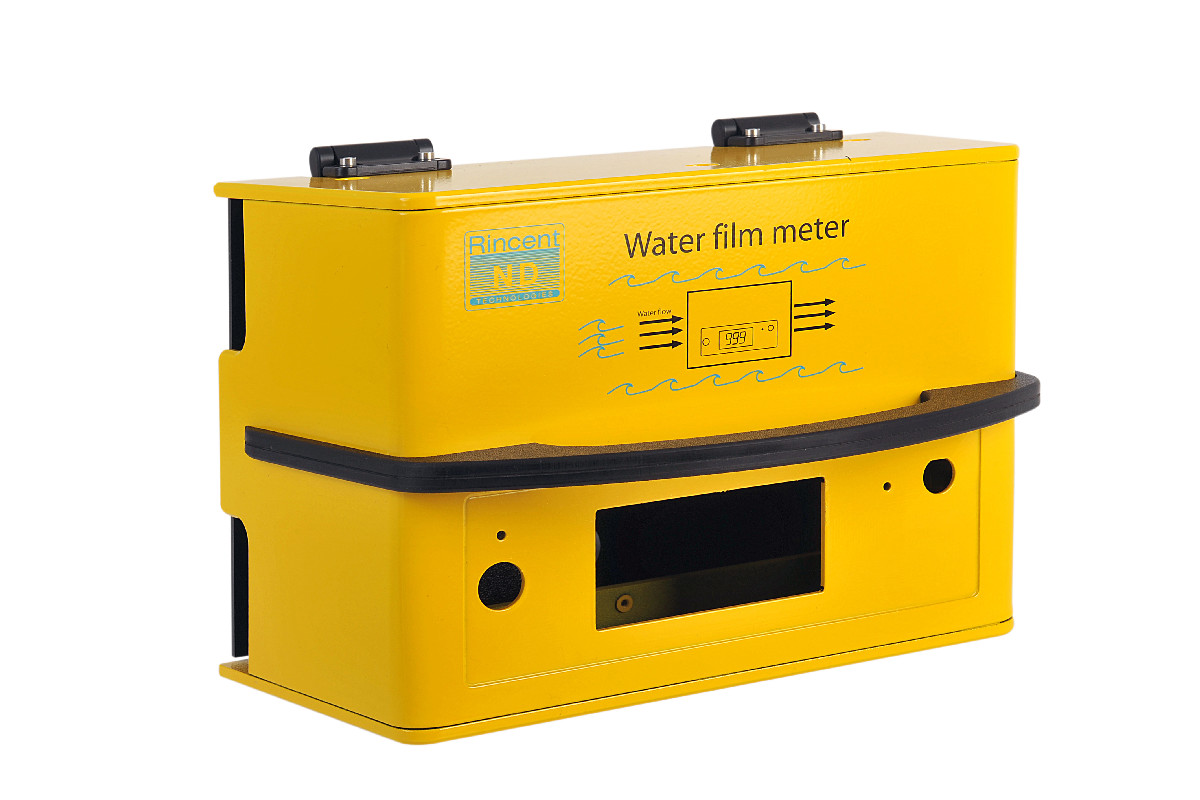
The standards also call for markings: ratings, polarity, chemistry and warnings, which have to stay legible for the life of the product. We print them directly onto the sheet with digital UV printing, which adheres better than silk screen and leaves no label edge to peel. Whether a marking passes is still the lab’s decision.
Before you send a design, ask your test lab which standards and which flame class apply, and put both on the drawing. Then request a quote with the material named, and an engineer will check the housing against it.