Designing Plastic Battery Enclosures for Industrial Use
Where plastic suits an industrial battery pack and where metal is required, plus the details that decide it: cell retention, venting, terminals, mounting.
Read articleMechanical Engineers
Materials, design rules, industry guides and shop news from Everett, Washington. 17 articles and counting.
Where plastic suits an industrial battery pack and where metal is required, plus the details that decide it: cell retention, venting, terminals, mounting.
Read article
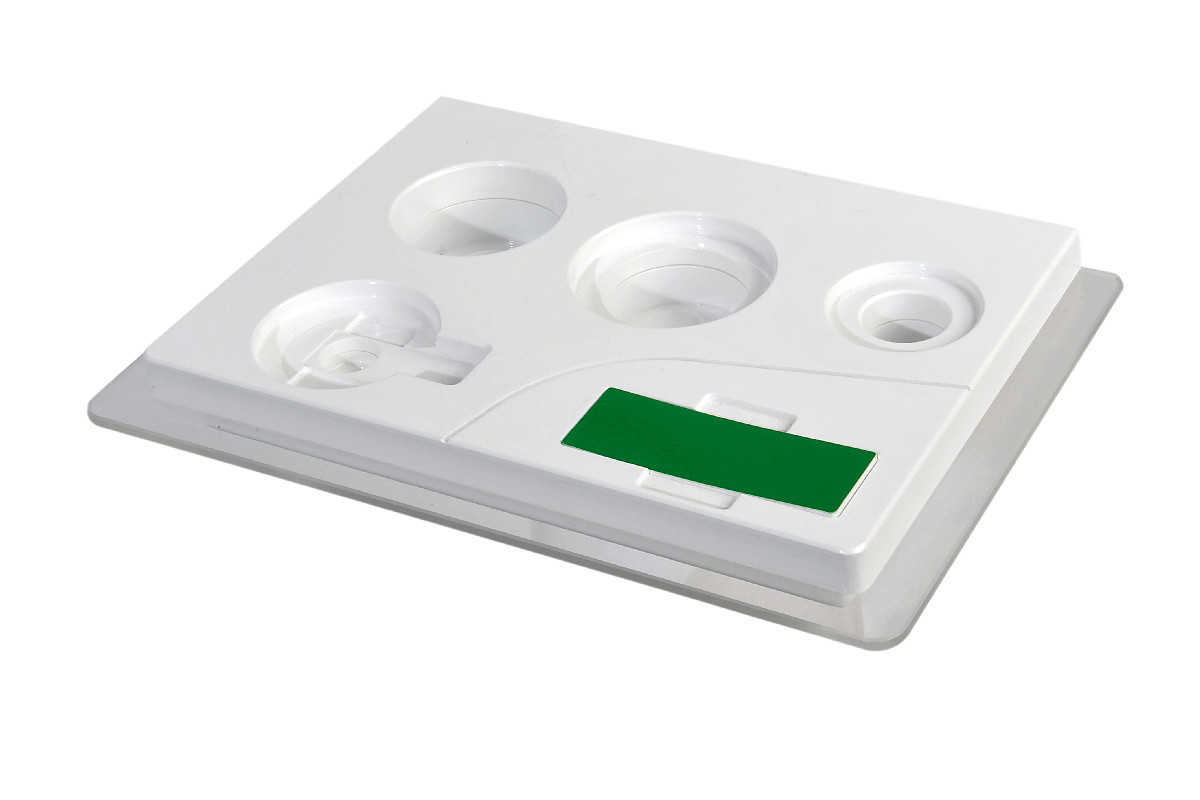
In a home battery system the cell cabinet is usually metal. Plastic belongs in the covers, status displays, controller and gateway housings and wall trim.
Read article
Aluminum and steel for large or structural packs, plastic for small and portable ones, and how FR ABS, Boltaron 4335 and polycarbonate compare for a pack.
Read article
Six shifts in battery products, from swappable packs to EU replaceability rules and printed safety labels, with the housing details each one needs.
Read article
Which battery standards apply to your product, from UL 1642 cells to UL 9540 systems and UN 38.3 transport, and what each one asks of the housing.
Read article
What to model, what to leave out, which files to send and what comes back: the CAD workflow for a Toolless enclosure, from STEP upload to approved model.
Read article
What drives enclosure design in medical, test, kiosk and POS, industrial control, Raspberry Pi and display products: one table, then a section on each.
Read article
Online project boxes suit prototypes. What to check in a listing (inside size, material, IP and UL94 proof) and the signs you need a custom enclosure.
Read article
Self-tap boss or brass insert, tall boss or frame, magnet or hinge: the hardware rules for a bent and bonded plastic enclosure, with the 9 mm boss limit.
Read article
Visible joints, full-width bends, one-way curves, 40 in and 115° bend limits, bonds in tension, back-face tolerance: each limit and how to work around it.
Read article
The parts of an enclosure, the terms suppliers use, the order to make design decisions in, and the five mistakes that turn up in most first housings.
Read article
Rolled curves, two-tone bodies, acrylic windows, light pipes, hinges, UV printing, engraving and EMI coating: how each is made and its design rule.
Read article
Start in general-purpose ABS and switch only when a requirement forces it: FR ABS or Boltaron for V-0, polycarbonate, PETG or acrylic for clear parts.
Read article
Customer words from our testimonials page, quoted exactly and grouped by fit, lead time, design help and changes, with what in the process produced each.
Read article
How piece count, bends, one-sided machining, gauge, bosses, printing and color set the price of a fabricated plastic enclosure, and what to change in CAD.
Read article
How to run enclosure revisions when the tool is a CNC program: program edit vs new flat pattern, part numbers, changes mid-run and spares of old revisions.
Read article
Seven problems found in first enclosure models, from PCB-to-cutout tolerance stack to flexing panels and trapped heat, with the sheet-plastic fix for each.
Read articleStart your enclosure
Quotes come from an engineer, not a form robot. Attach CAD, photos or a sketch and we reply within one business day.