Sleep Tech Enclosures for Bedroom and Nightstand Devices
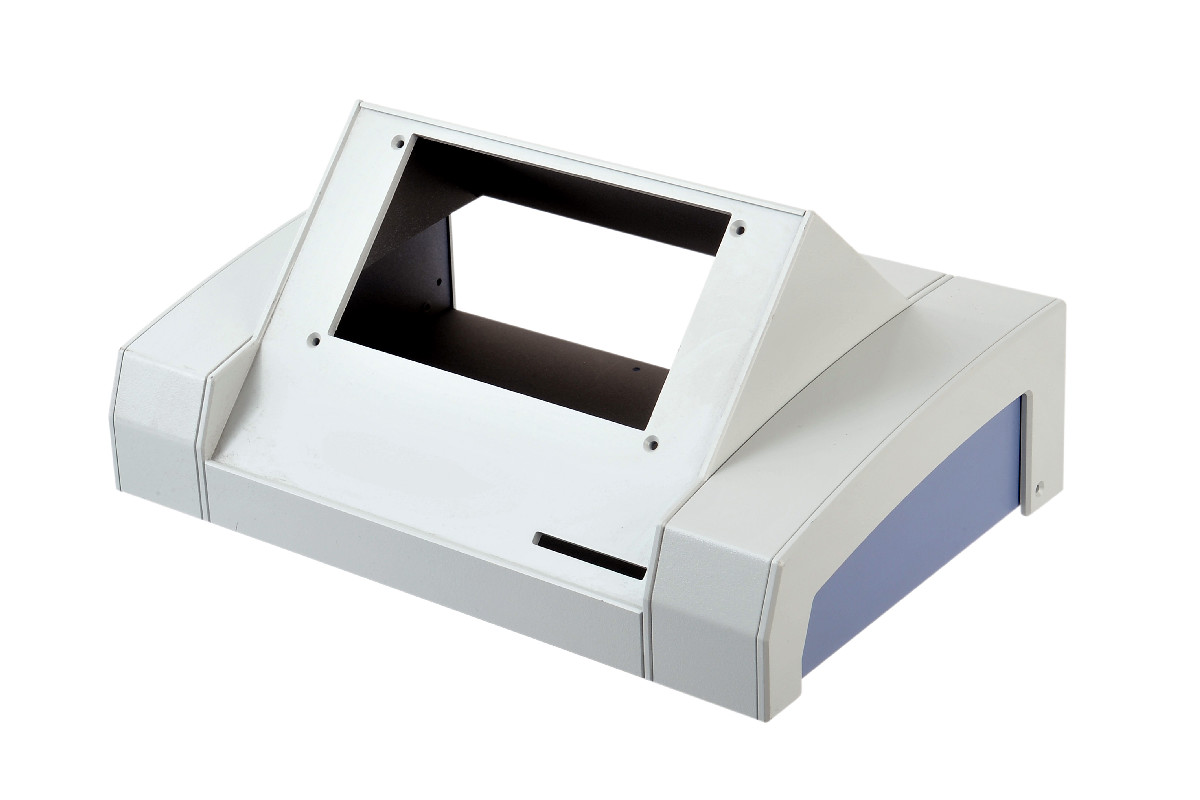
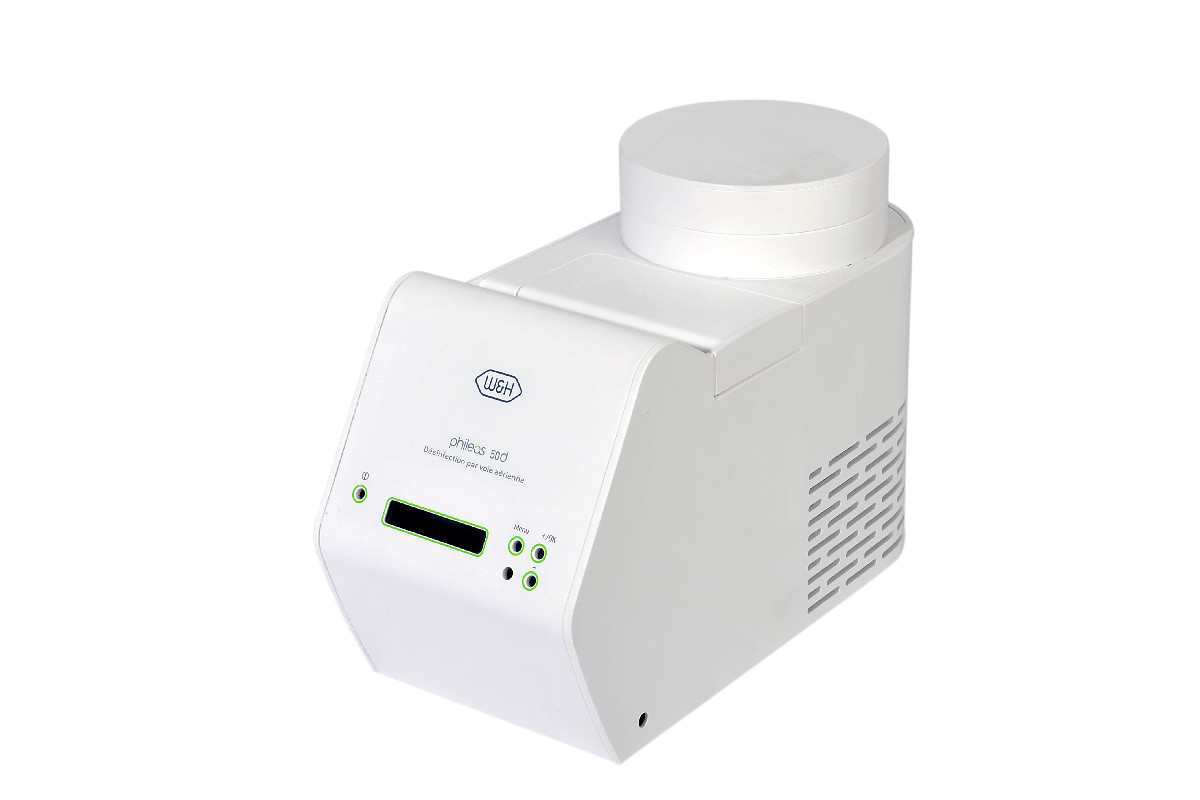
Designing a housing for a bedside sleep device: fanless cooling, indicator lights that go dark, color from the sheet, a stable base and launch-sized runs.
Read articleSleeping & Neurology
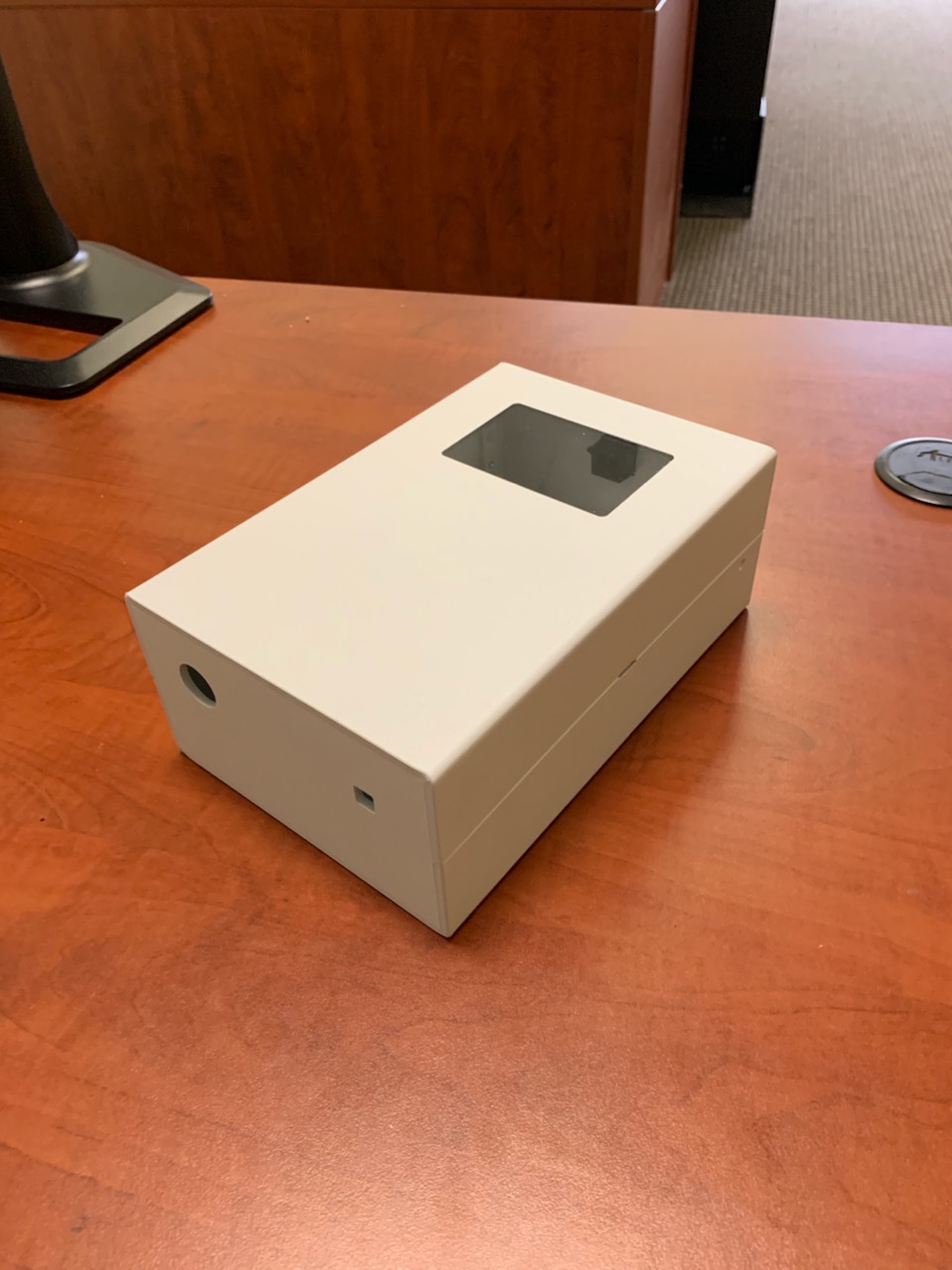
Materials, design rules, industry guides and shop news from Everett, Washington. 9 articles and counting.
Designing a housing for a bedside sleep device: fanless cooling, indicator lights that go dark, color from the sheet, a stable base and launch-sized runs.
Read article
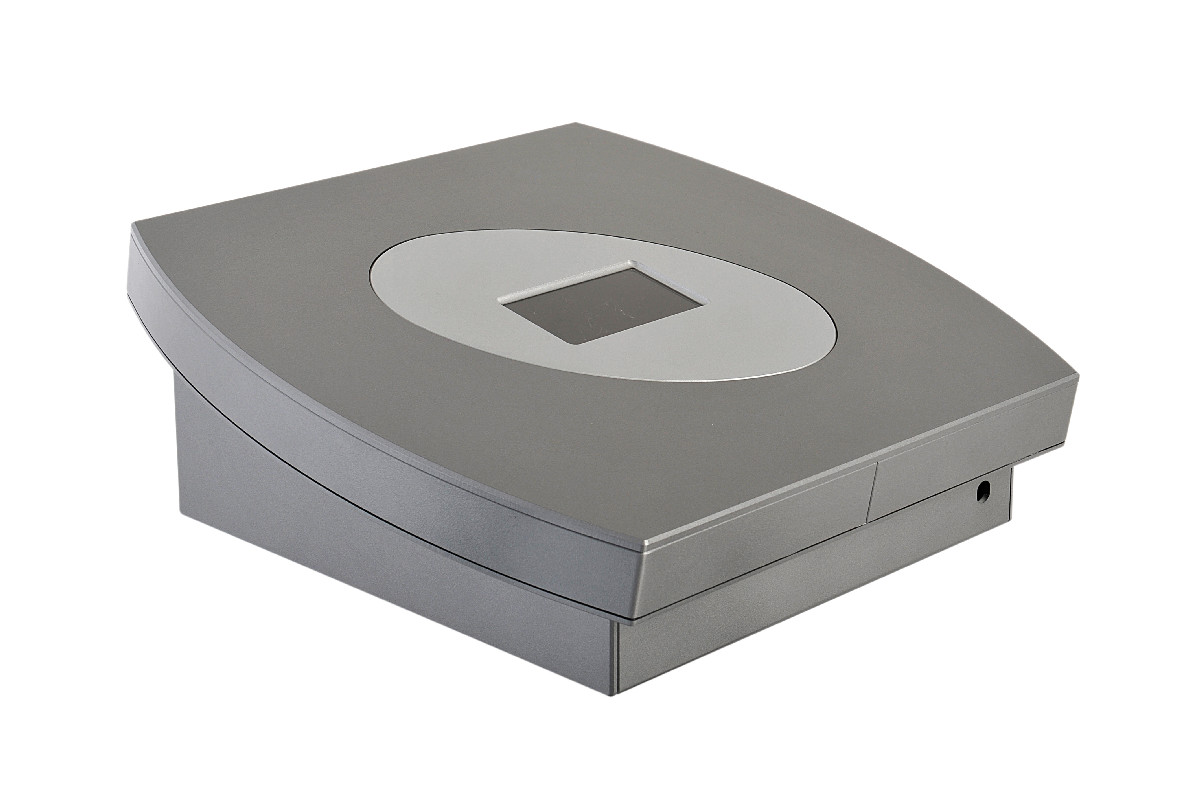
Grip, weight, button placement, battery doors and drops for event markers, stimulators and portable recorders, and the shapes sheet plastic can make.
Read article
Designing a home sleep test housing for drops, couriers, printed setup steps, battery doors that cycle per patient, wipe-down cleaning and shipping.
Read article
Home testing, wireless links, smaller recorders and more channels: what each shift in sleep and neurology hardware changes in the enclosure design.
Read article
Housing EEG, EMG and IONM carts: display bezels, VESA and pole mounts, cable routing, handles, airflow and OR cleaning, with sheet-process rules for each.
Read article
How to lay out, label and mount an EEG or PSG headbox: 10–20 positions printed on the panel, touch-proof socket spacing, strain relief and an RFQ list.
Read article
Weight, edges, cleaning chemistry, flame rating and color for bedside housings, including why acetone for collodion matters and who owns biocompatibility.
Read article
What a plastic housing can and cannot do about EEG, EMG and ECG noise: conductive coating, grounding through inserts, apertures, antennas and isolation.
Read article
What a headbox, a bedside amplifier and a home sleep test recorder each ask of their housing, with a requirements table and where sheet plastic fits.
Read articleStart your enclosure
Quotes come from an engineer, not a form robot. Attach CAD, photos or a sketch and we reply within one business day.