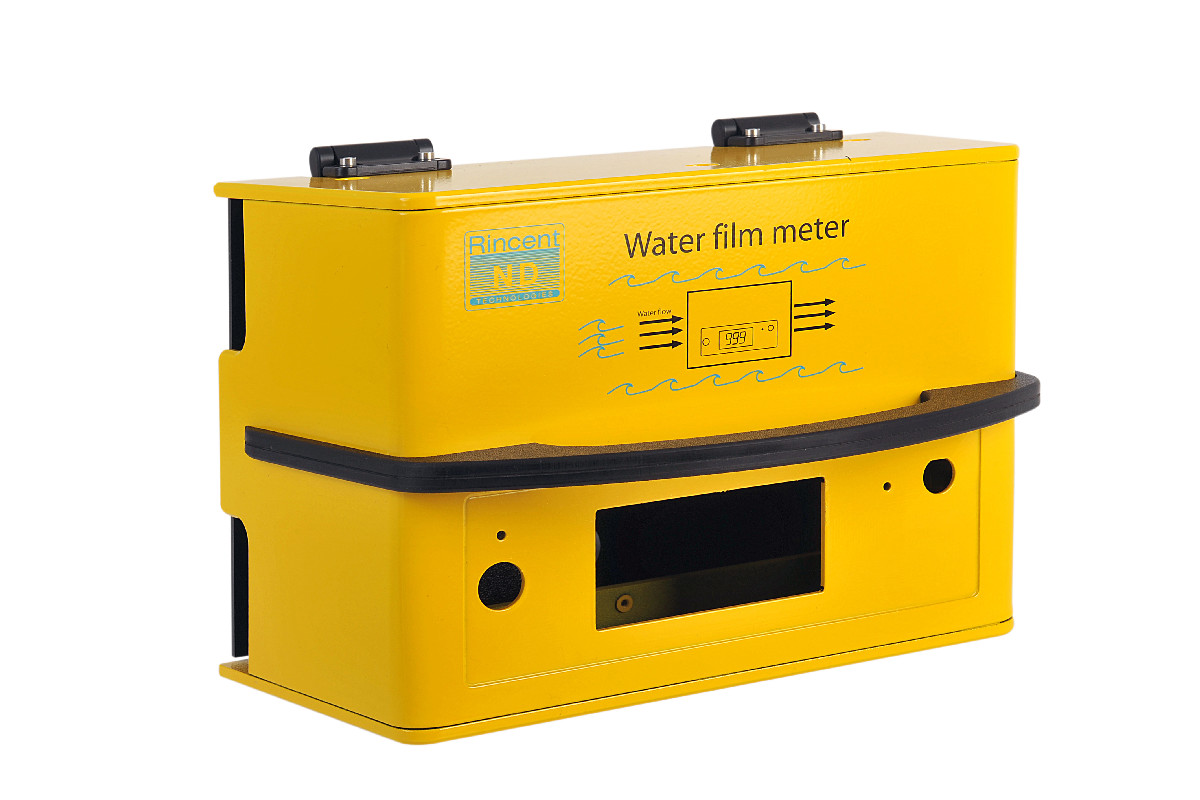
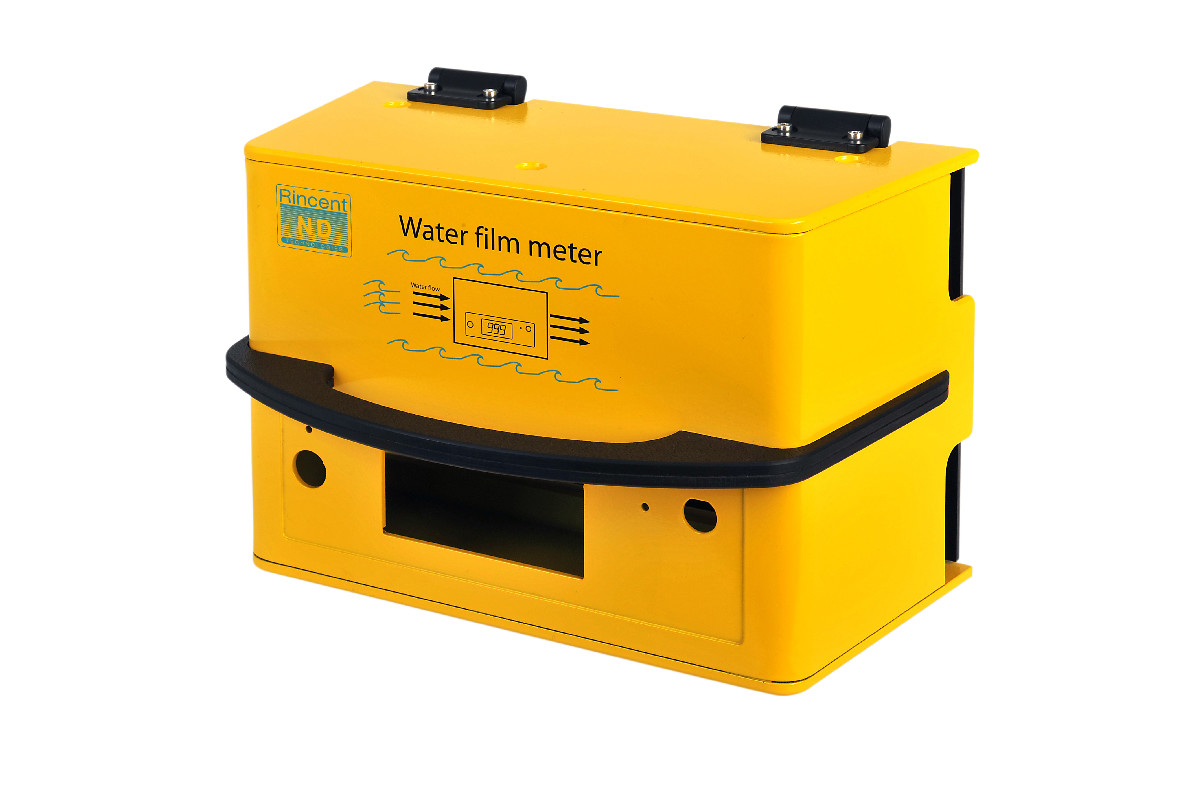
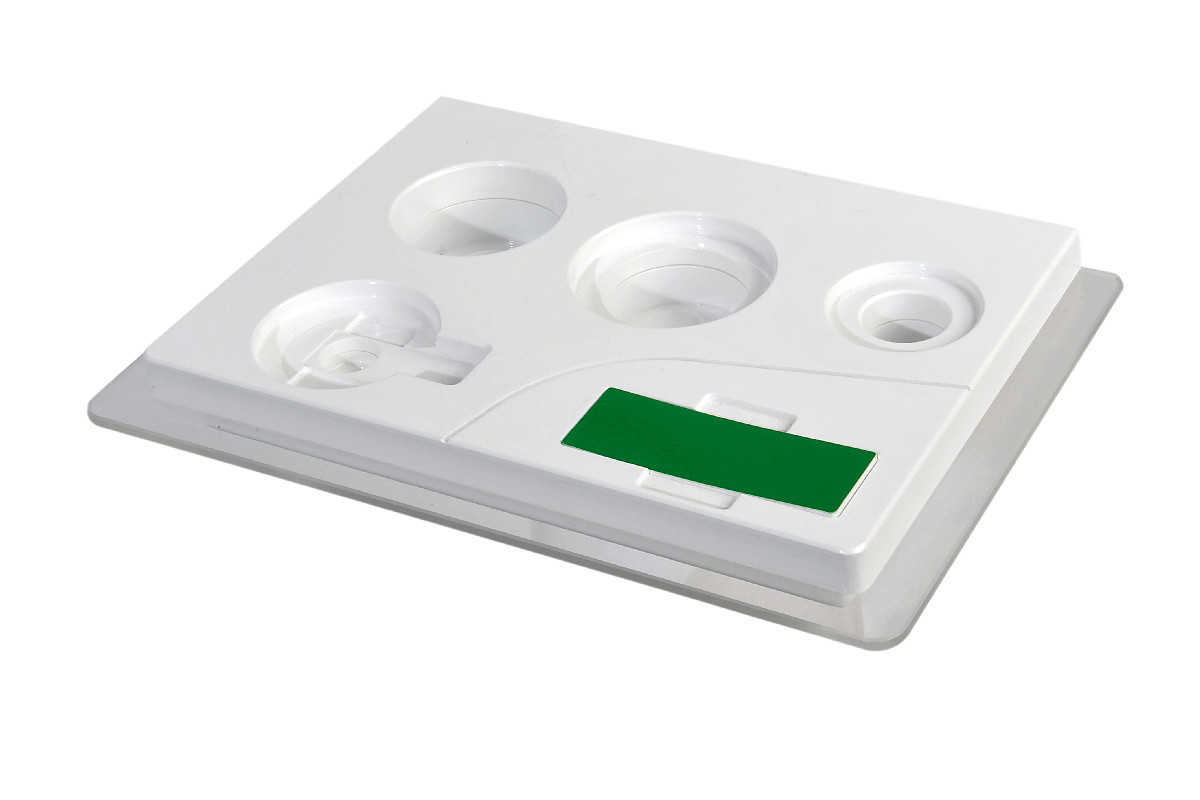
The same cut, bend and bond process builds our housings for medical devices, test instruments, kiosks, control panels, single-board computers and displays. What changes from one industry to the next is the requirement that drives the design: cleaning in a clinic, repeatability on a test bench, size and branding on a store floor. The table below lists the requirements that dominate in each, and the sections after it give the design consequence and the page with the detail.
If your product sits between two rows, a cart-mounted medical display or a test fixture built around a Raspberry Pi, read both sections. The requirements add up; they do not average.
The dominant requirements at a glance
| Industry | What drives the design | Typical design response |
|---|---|---|
| Medical devices | Cleaning, flame rating where the device specification requires it, emissions, frequent revisions | Joint lines placed for wipe-down, UL94 V-0 sheet, conductive coating, changes as program edits |
| Test and measurement | Repeatable dimensions, dense connector fields, shielding, bench or field use | Openings machined to ±0.2 mm, internal EMI coating, sloped fronts, handles and corner doublers |
| Kiosks and point of sale | Size beyond one sheet, public handling, branding, peripheral cutouts | Plastic panels over a metal frame, UV printing, two-tone stock colors, pilot unit then rollout |
| Industrial control | Flame rating, wall or rail mounting, service access, cooling | V-0 sheet, flanges and keyholes, hinged doors on brass inserts, DIN clips, slot vents |
| Raspberry Pi and SBC | Board-specific connector layout, add-on boards, heat, card access, branding | Openings from the board drawing, bosses or grooves, matched vent area, fastener tabs, printed legends |
| Monitors and displays | Opening matched to the panel, window type, display supplier changes | Machined opening or bonded window, polycarbonate in a bezel, new panel as a program edit |
Medical devices: cleaning, flame rating and change
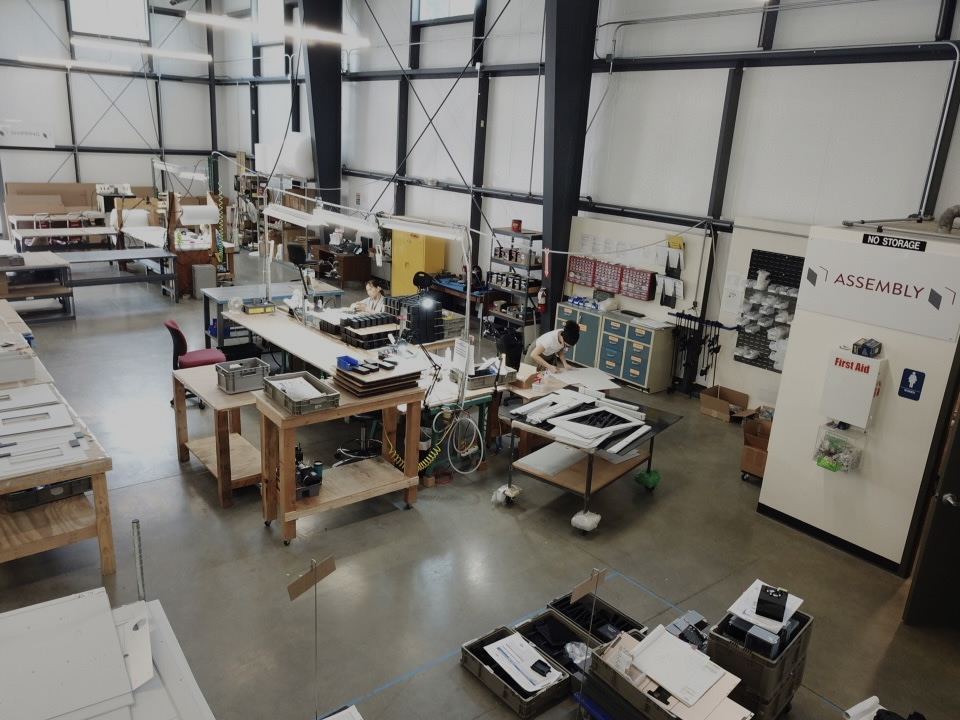
We have built medical enclosures since 1994: surgery-room equipment, sleep diagnostics, dry-eye devices, respiratory devices, breathing simulators and CPAP ventilators. In each, cleanability shapes the panel layout. Joint lines cannot be hidden in a bonded housing, so we place them where a wipe reaches, and pre-colored sheet means there is no paint to wear through.
When the device specification calls for a UL94 V-0 material, flame-retardant ABS (Royalite) or Boltaron 4335 replaces general-purpose ABS. A conductive coating inside the housing shields sensitive electronics and helps with emissions testing. Certification to IEC 60601-1 belongs to the device maker; we build the housing to the design, in the material specified. The other medical requirement is change: a connector moves after usability testing, and here that is a program edit. Details on our medical plastic enclosures page.
Test and measurement: repeatability and connectors
Test equipment is judged on repeatability, and so is its housing. Every opening is machined into the flat sheet to ±0.2 mm from a program, so the display window on unit five hundred sits where it sat on the prototype. Connector fields with BNCs and terminal blocks get countersinks and recesses for panel-mount hardware, and an internal conductive coating, checked for conductivity, shields measurement circuits.
The form factor sets the rest. A bench instrument wants a sloped front for reading from a seat, a rear connector panel and rubber feet recessed into the base. A field unit wants a handle, a battery door and thicker sheet with corner doublers. Test equipment ships in dozens to a few thousand units, which is where a process with no tooling fits. See enclosures for testing equipment.
Kiosks and point of sale: size, finish and rollout
A kiosk is usually larger than a sheet of plastic and gets touched by the public all day. We combine CNC-cut panels into a housing as large as the design needs and mount them over a metal frame that carries the structural load: the plastic provides the shape, color and cutouts, the frame the stiffness. Card reader slots, receipt printer openings, scanner windows and keypad recesses are milled from the flat panel before bending, so they line up with the hardware behind them.
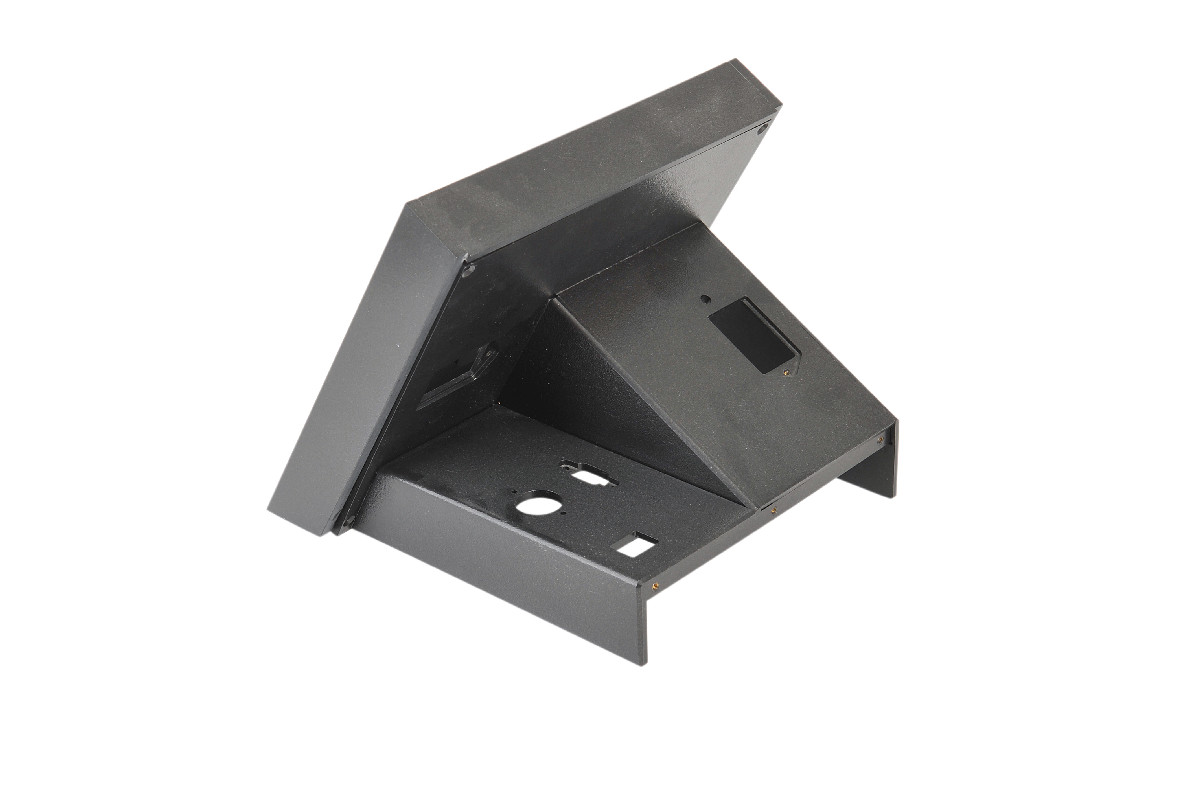
Branding and instructions go straight onto the panel with full-color UV printing, including raised prints for tactile cues. The usual path is a pilot unit at one site, changes as program edits, then a rollout on a blanket order with releases three weeks after each PO. On our enclosures for Amazon’s Just Walk Out technology at Lumen Field, fit and finish were adjusted for each installation site as the project progressed. More on custom kiosk enclosures.
Industrial control: flame rating, mounting and service
Control housings often carry mains wiring, so the material question comes first. Royalite flame-retardant ABS (UL94 V-0, 3 mm, black or white) and Boltaron 4335 (UL94 V-0) are stocked for this work. Wall units get side flanges with holes, formed as part of the main housing so they keep their rigidity, or keyholes on the back for a clean front.
Service access is the second driver. A hinged door with a turn latch removes the loose lid, and fastened doors run on brass inserts that survive repeated opening. DIN clips mount modules on rail, bonded internal brackets carry relays and terminal strips, and slot vents at least 2 mm wide keep cross supports for wall stiffness. Ingress ratings are project-specific and are settled with an engineer at quote stage rather than assumed. See custom electrical enclosures.
Raspberry Pi and other single-board computers
Each Raspberry Pi generation has its own connector layout, so the case starts from the board drawing: the hole pattern and port positions are fixed, everything else follows the product. The board sits on four bosses or slides into machined grooves. Add-on boards and displays stack above it, with the display behind an acrylic window bonded from the rear.
Heat is handled with vent slots sized so inlet area matches outlet area for a fan. Fastener tabs let the user reach the SD card, punch-outs leave room for connectors a later board revision adds, and the logo and port labels are printed on the plastic. We build the same way for BeagleBone, Banana Pi, Arduino, Orange Pi and other boards. See Raspberry Pi and SBC enclosures.
Monitors and displays: built around the panel
Display modules are replaced faster than the products they sit in. When a supplier discontinues a 7-inch panel and the replacement has a different bezel width, a molded housing is obsolete; here, the opening and mounting holes are regenerated and the program updated. The screen goes in one of four ways: behind a machined opening, behind an acrylic window bonded into a rear recess, behind polycarbonate held in a bezel (polycarbonate does not solvent bond), or in a replacement panel when only the display changes.
Desk units take a sloped face and a rear cable channel; wall units take flanges or keyholes. A CAD file or dimensioned drawing of the module is enough to start, and some prototypes call for the display itself to be shipped to Everett for a test fit. See monitor and display enclosures.
Tell us which of these rows your product sits in, or which two, through the request-for-quote form. An engineer replies within one business day, and quotes go out within 48 hours.