
Electrical enclosures
Custom Electrical Enclosures
Indoor control housings, wall-mount plastic enclosures and junction covers machined from UL94 V-0 sheet with the flanges, doors, latches and cutouts your wiring needs. Built in Everett, Washington, with no mold and no minimum order.
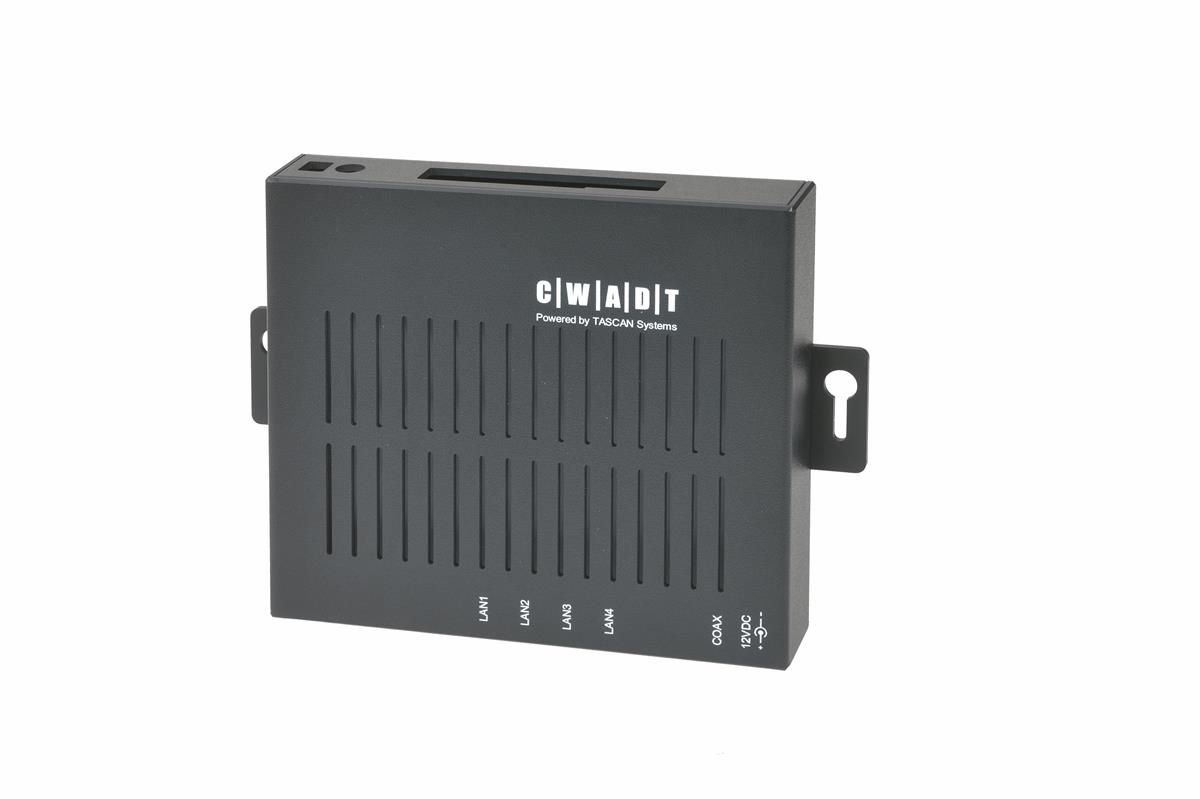
Control and wall-mount housings
Custom electrical enclosures cut to the wiring, not to a catalog.
A stock electrical box asks you to drill it. A Toolless housing arrives with every gland hole, terminal slot, display window and switch cutout machined to ±0.2 mm, in a flame-retardant sheet, sized to the components rather than to the nearest catalog step. We are a custom electrical enclosures manufacturer for indoor control housings, wall-mounted controllers, meter and sensor boxes and the covers that go over them.
Mounted units stay in one place, which brings two benefits. The enclosure can be larger than a handheld without occupying a bench, and the electronics stay protected from the knocks a loose box takes on the floor or an unsecured desk. Most of our wall-mount designs carry side flanges with holes, which suit the process and keep rigidity because the flanges are part of the main housing.
Features
What we machine into a wall mount electronics enclosure.
Mounting, access, cooling, marking and shielding. Each is a feature in the CNC program, so adding one later is an edit rather than a new tool.
Flanges and keyholes
Side flanges with holes for a screwed installation, or keyhole cutouts on the back so the housing slides onto a screw for a clean front. Location, size and number of keyholes are set by the weight and purpose of the unit.
Doors, latches and hinges
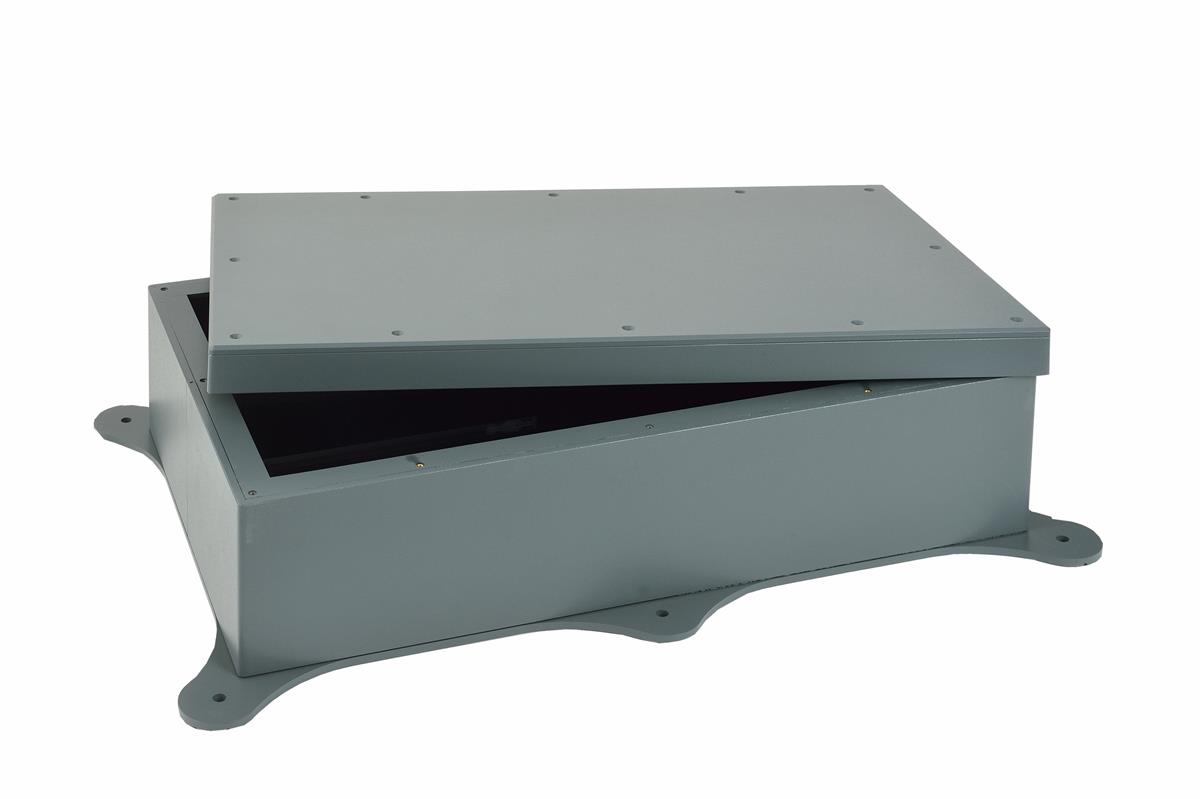
A single hinged door with a turn latch keeps the enclosure closed until access is needed and removes the loose lid. Fastened doors run on heat-staked brass inserts, which take repeated service where a self-tap boss does not.
DIN clips and brackets
DIN clips and belt clips are installed as hardware; plastic brackets and internal shelves are machined and bonded in place to carry relays, supplies and terminal strips. See custom brackets.
Vents and fan mounts
Machined slot patterns cool control electronics. Slots cost less than holes, keep cross supports for wall rigidity and start at 2 mm wide. Fans mount on through holes or bosses, with inlet area matched to outlet.
Windows and status LEDs
An acrylic window bonded from the rear shows a display or a meter; light pipes bring status LEDs to the front face. Screen cutouts are sized to any LCD, from a temperature readout to a full control panel.
EMI shielding and paint
A conductive coating inside the housing shields sensitive circuits from radio frequency interference, tested for conductivity before manufacturing continues. Wet paint adds colors beyond the stocked ABS shades.
Materials
Flame-retardant sheet for electrical housings.
Royalite flame-retardant ABS (UL94 V-0, 3 mm, black or white) and Boltaron 4335 (UL94 V-0 acrylic/PVC alloy) are stocked for electrical enclosure work. General-purpose ABS (UL94 HB) in 3, 4, 6 and 8 mm covers housings without a flame-rating requirement, and UV-stabilized polycarbonate TUFFAK GP is stocked for transparent covers. Sheet runs from 2 mm to about 12 mm, so a large control housing can step up in thickness where a door or a heavy transformer loads the wall.
The housings on this page are described for indoor use. Ingress and environmental ratings are project-specific and are discussed with an engineer at quote stage rather than claimed on a web page.
Materials and data sheets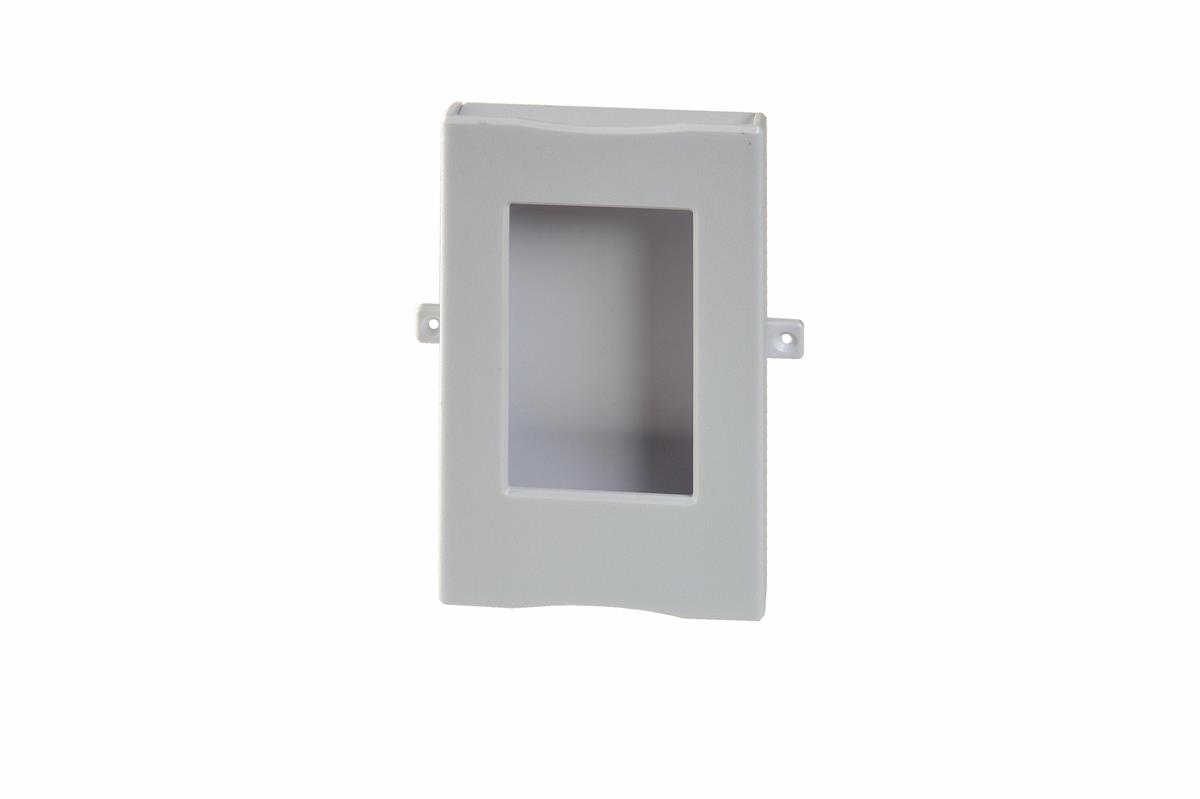
From drawing to wall
How a custom electrical enclosure is built.
The same ten-step process that builds every Toolless housing, run in our 13,000 sq ft Everett facility on seven CNC mills, custom saws and computerized thermal benders.
Model
Send a DXF, STEP or SolidWorks file, or a dimensioned sketch of the components. Our engineers return a 3D model for signed approval before any sheet is cut.
Machine and cut
The flat pattern is CNC machined with every opening, vent and recess, then the pieces are cut from the sheet and edge detailed with tongue-and-groove joints.
Bend and bond
V-grooves are scored halfway through the sheet, bends are formed on a thermal bender, inserts are heat-staked and the assembly is solvent bonded into one rigid housing.
Finish and inspect
Paint, EMI coating, latches, hinges and digital printing, then inspection under the ISO 9001:2015 quality system and shipping. Read the full process.
Questions we get asked
Electrical enclosure FAQ.
Answers from the engineers who quote these jobs. For anything not covered, contact us or read the full FAQ.
Do you make wall mount plastic enclosures in small quantities?
Yes. There is no minimum order. One or two units carry a setup charge, and the process is ideal from 100 to 10,000 units. Blanket orders from 10 to 10,000 units ship on a schedule with a three-week lead time after receipt of PO.
Can you bend all four sides up like a sheet-metal box?
No. The V-grooves are cut on a table saw and run the full width of the panel, so a housing is made from bent sections joined with tongue-and-groove and solvent bonding. The result is as strong as an injection-molded part in similar material.
Which flame-retardant materials do you stock?
Royalite flame-retardant ABS (UL94 V-0) in black or white at 3 mm, and Boltaron 4335, a UL94 V-0 acrylic/PVC alloy. General-purpose ABS is UL94 HB. Any thermoformable material can be considered for a specific job.
Can you add EMI shielding to an electrical enclosure?
Yes. A conductive paint evenly coats the inside of the enclosure as a secondary operation. We test the paint and plastic for conductivity before manufacturing continues.
Related
More housings for electronics and controls.
Wall mount, electronic, ABS and cover pages from the same shop.
Wall mount enclosures
Flanged and keyholed housings with doors, latches and LCD cutouts.
Learn moreElectronic enclosures
Project boxes and housings built around a circuit board.
Learn moreABS enclosures
The material behind 80% of our production, in standard and flame-retardant grades.
Learn moreCustom covers
Machined plastic covers and lids for terminal strips, panels and equipment.
Learn moreFrom the portfolio
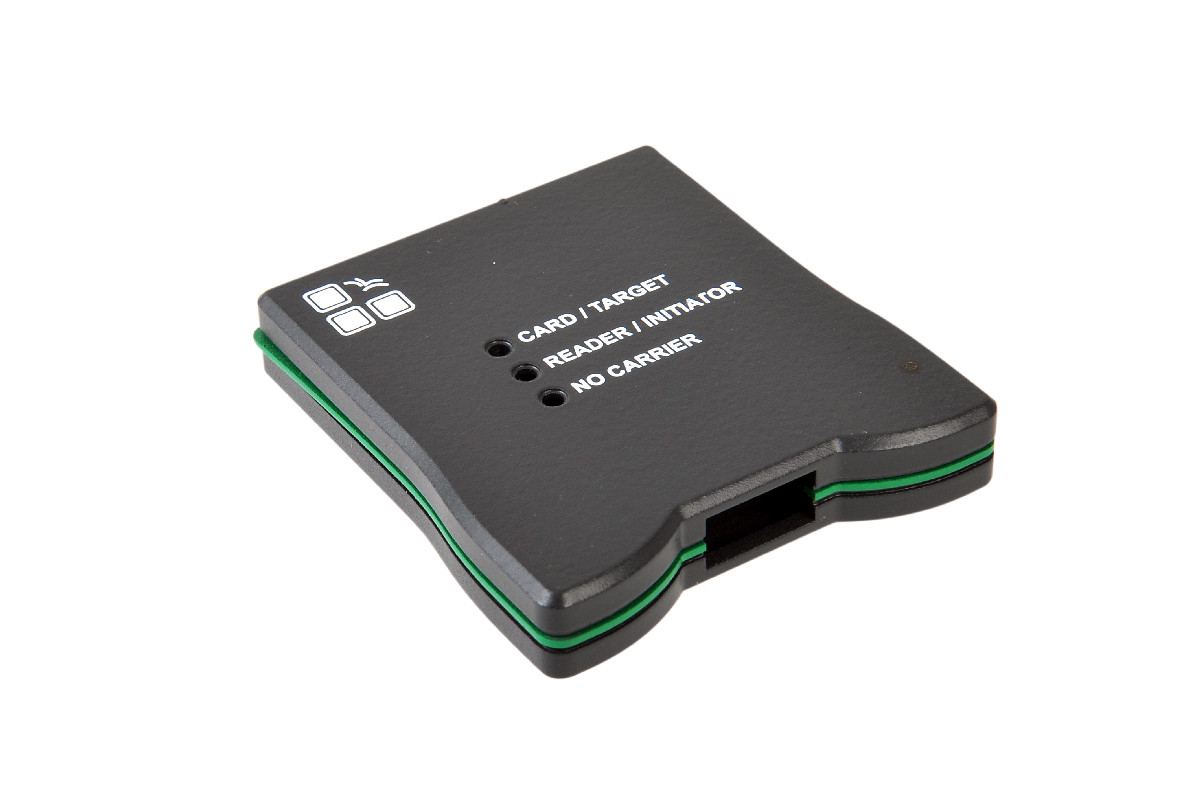
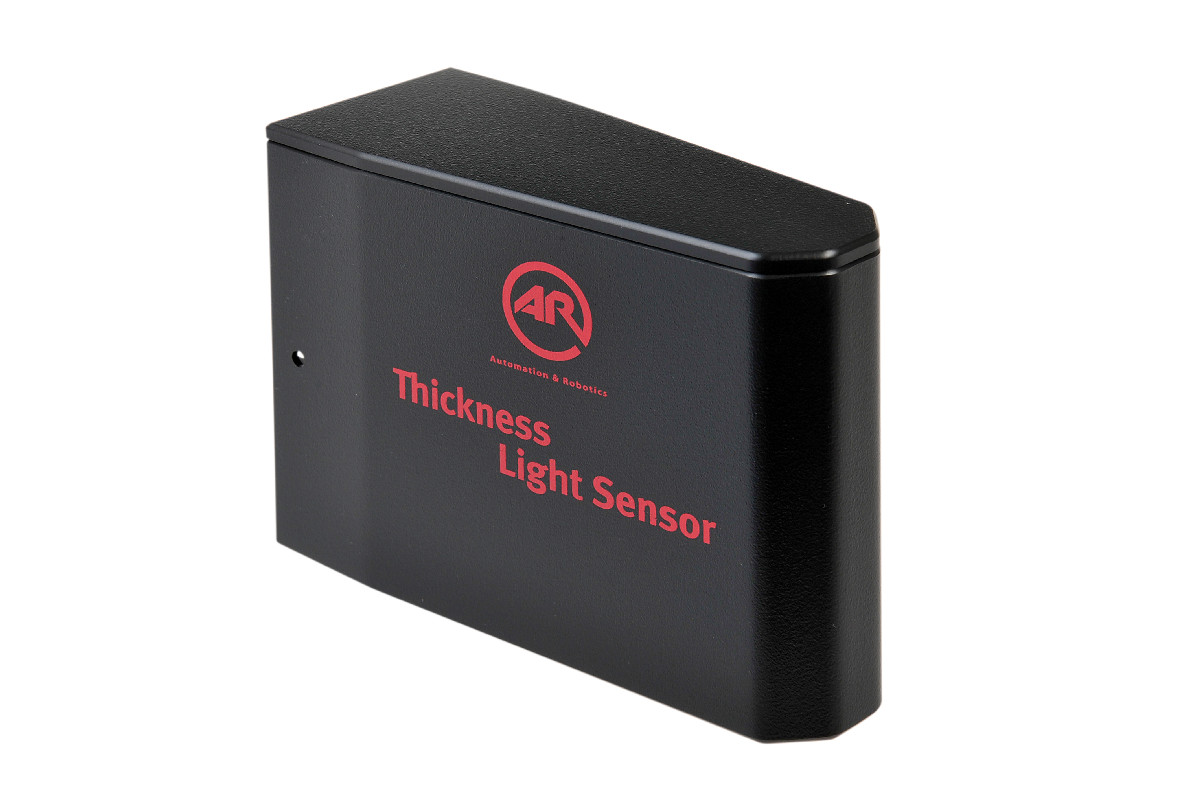
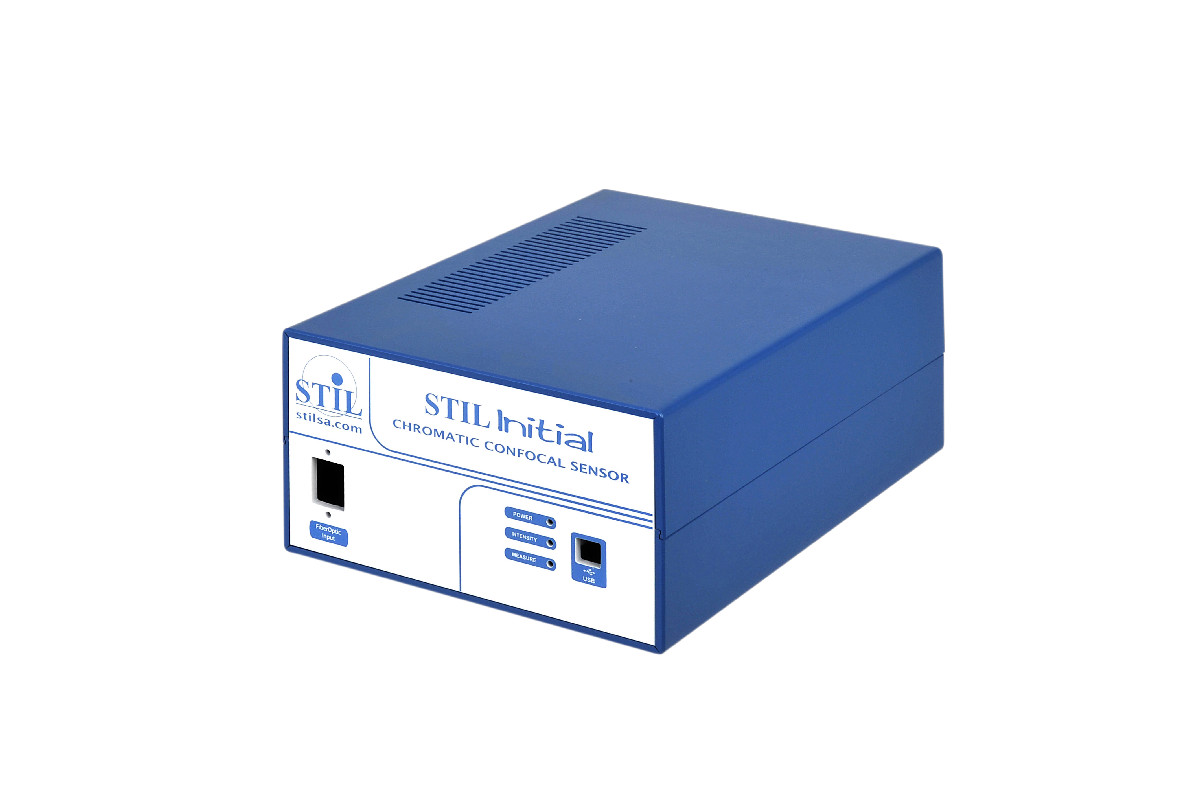
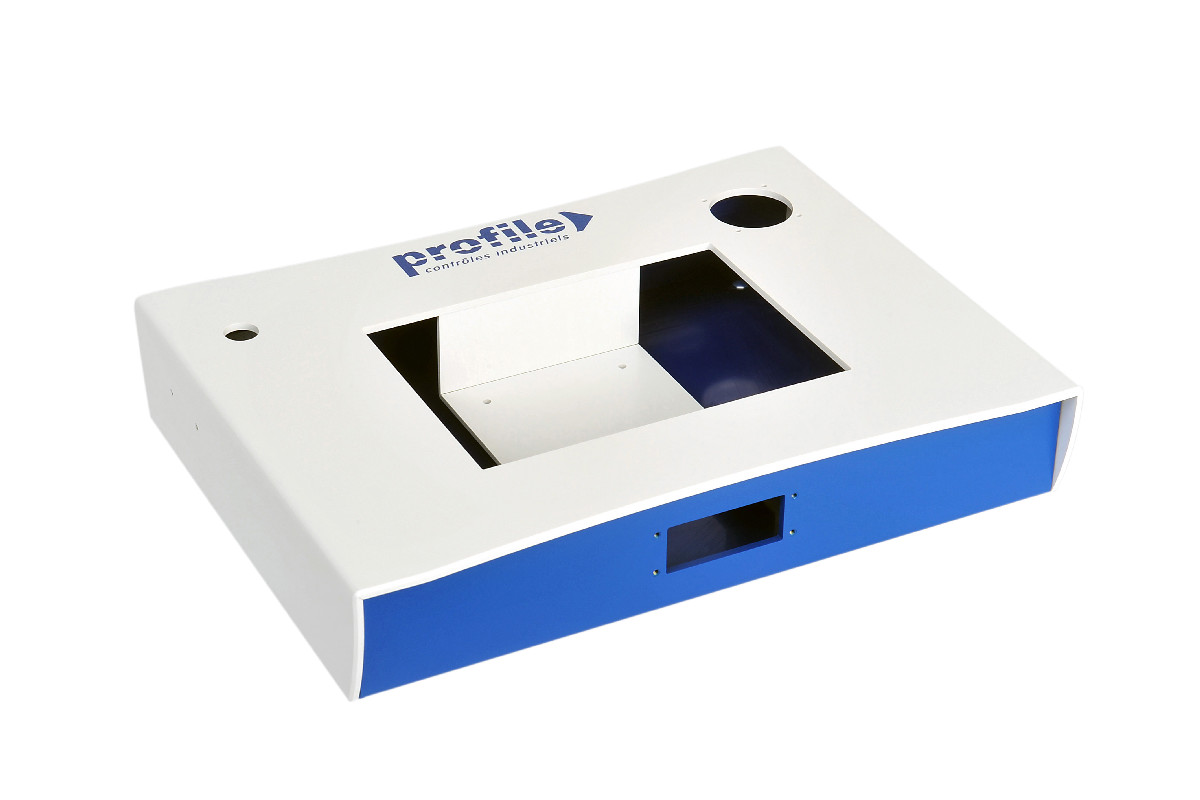
Electronics enclosures we have built.
Why engineers choose Toolless
Trusted for enclosures since 1998.
Startups, OEMs and medical device makers across the USA, Canada and Australia come back for the next run. Read more testimonials.
- Years without molds
- 25+
- Certified quality system
- ISO 9001
- Units per order
- 1–10,000
- Sq ft in Everett, WA
- 13,000
“We initially considered injection molding, but with our volume the cost of tooling would never be recovered. It took only a week to settle on a design and get a prototype, and we were in production a week later.”
“I spent 9 years as a quality engineer at Rockwell and tend to be a perfectionist. Your professionalism and diligence in helping evolve our cover is greatly appreciated.”
“After a number of orders, Toolless have become our preferred supplier. Even though we are located in Australia, all deliveries have been fast and hassle free.”
Start your enclosure
Send the board. We’ll send the box.
Quotes come from an engineer, not a form robot. Attach CAD, photos or a sketch and we reply within one business day.