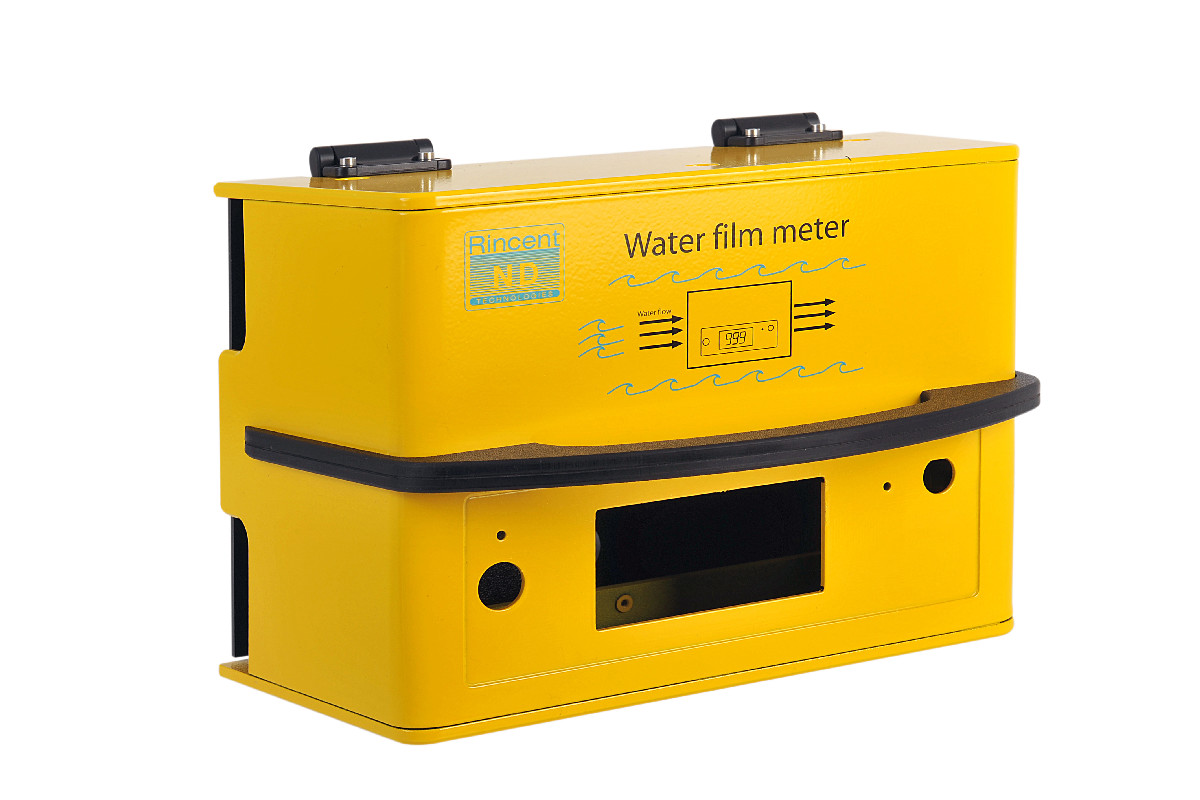
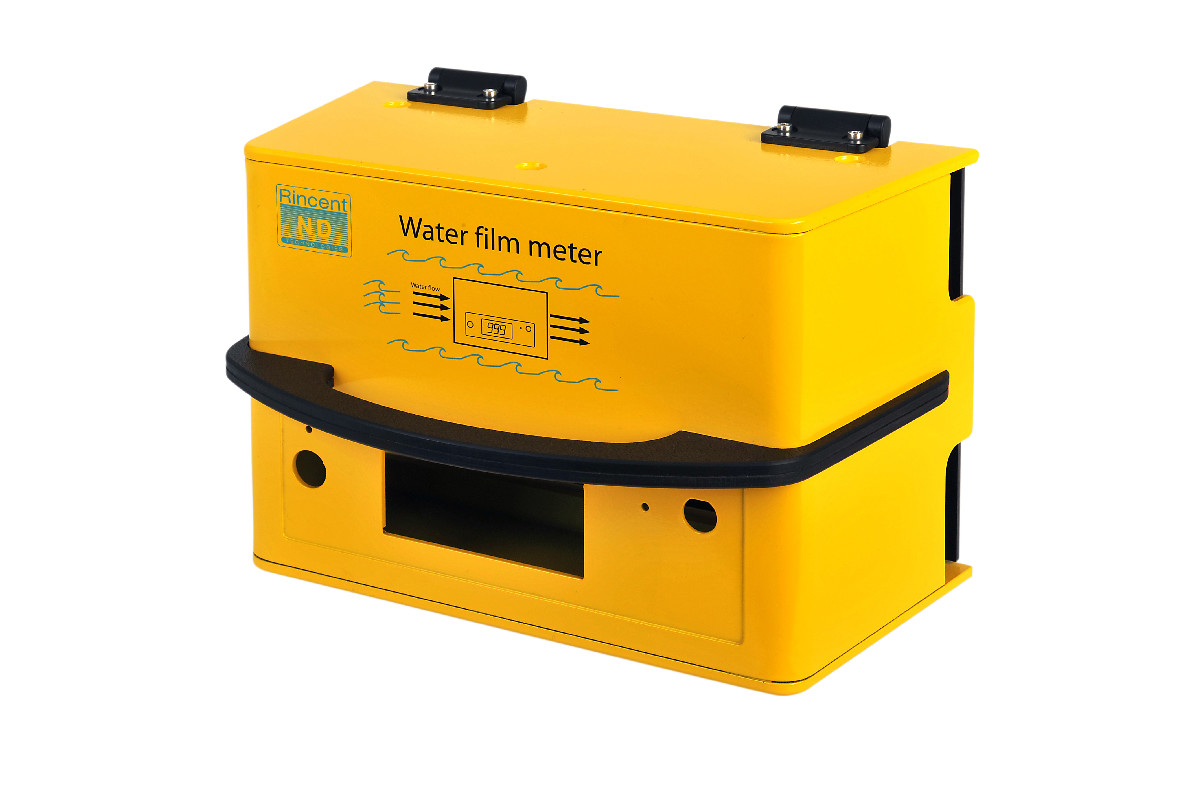
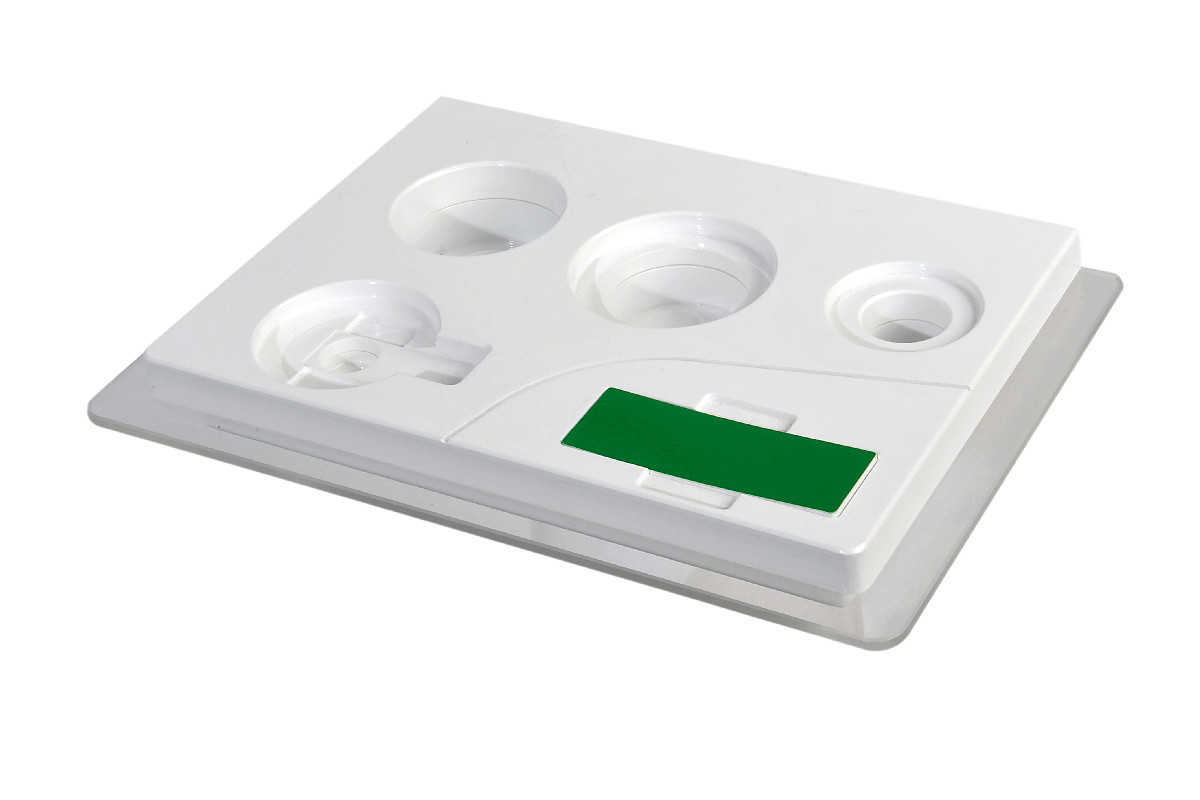
Start every enclosure in general-purpose ABS and move off it only when a requirement forces you to. About 80 percent of what we build is general-purpose ABS, because it covers most housings at the lowest cost. The other five sheets we stock each exist to answer one requirement ABS cannot.
Below is the order we work through, a decision table, and the thickness rules that go with it.
Why general-purpose ABS is the default
Our standard sheet is ALLEN 552/LXS, a high-impact ABS rated UL94 HB. We stock it in white, black, light grey and dark grey, in 3, 4, 6 and 8 mm. The outside face is pre-textured, so a finished box looks like a production part without paint. It machines cleanly, bends predictably in the thermal bender and solvent-bonds into a rigid body.
Know its three limits before you commit. HB is the lowest UL94 class, so it will not satisfy a product standard that calls for a V rating. ABS without UV stabilization yellows and turns brittle in long sun exposure. And it softens at a lower temperature than polycarbonate, so compare the heat deflection temperature on the data sheet with the hottest surface inside your box, not with the room. Details and data sheets are on the ABS enclosures page.
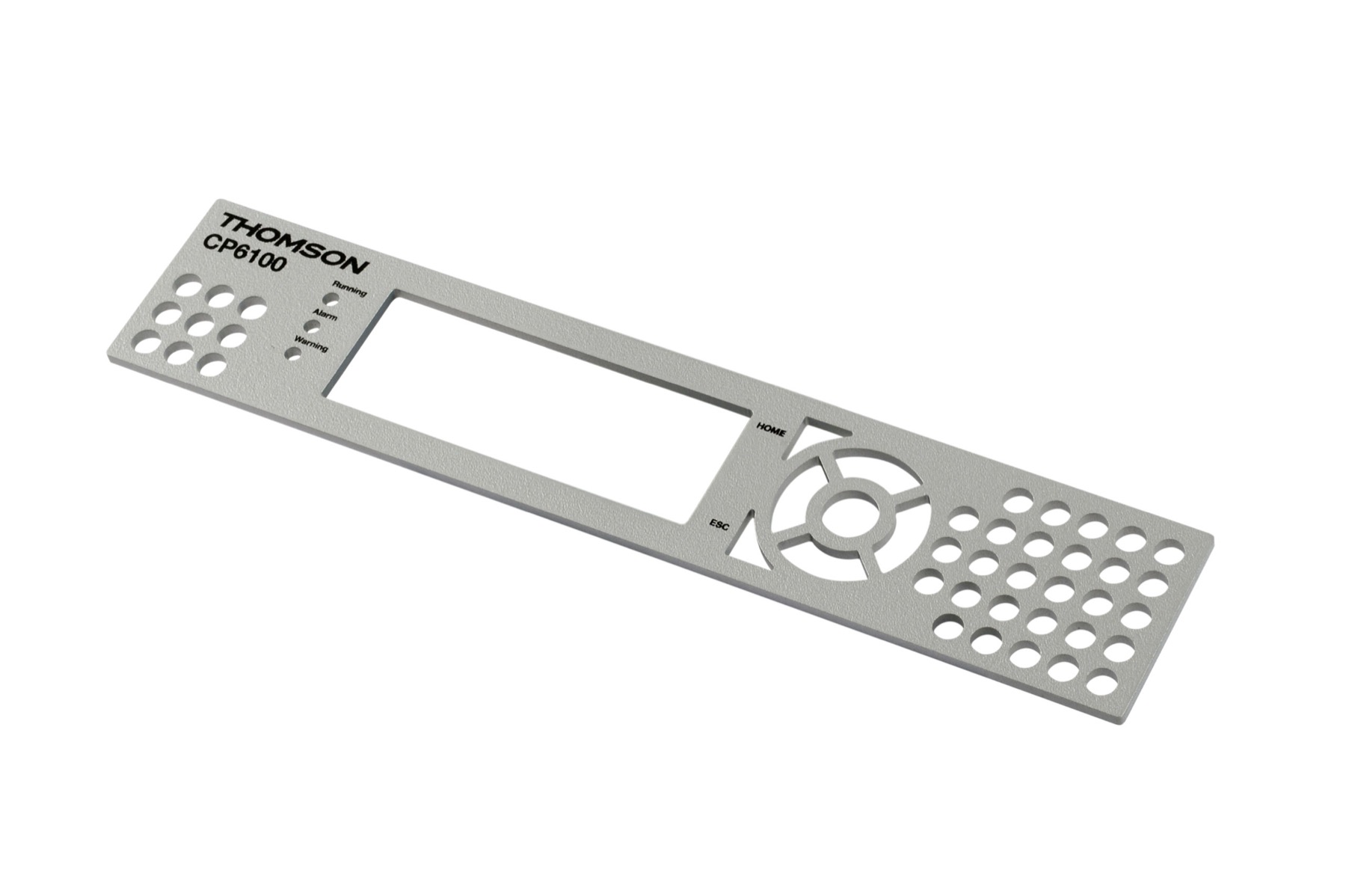
When the product needs UL94 V-0
UL94 HB is a horizontal burn test: the sample may burn, but slowly. V-0 is a vertical test: the sample must stop burning within 10 seconds of each flame application and must not drip flaming particles that ignite cotton placed below. Which class your housing needs comes from the safety standard your product is certified to, such as IEC 62368-1 for IT and AV equipment or IEC 61010-1 for measurement, control and laboratory equipment, and from what is inside the box. Your compliance engineer or test lab sets the requirement; we build the housing in the material specified.
We stock two V-0 sheets:
- Flame-retardant ABS (Royalite). Processes like standard ABS. Stocked in black and white, 3 mm.
- Boltaron 4335. A fire-retardant acrylic/PVC alloy with high impact strength, abrasion and chemical resistance, and good rigidity. It is priced competitively with FR ABS, so it is the one to try when the housing will also see solvents or cleaning chemicals.
One trap: a UL94 rating is listed at a minimum thickness. Check that the data sheet covers the gauge you are using. Because Royalite is stocked at 3 mm, a V-0 design that needs more stiffness is easiest to stiffen with bends, ribs and corner doublers rather than thicker sheet.
Clear parts: acrylic, polycarbonate or PETG
Pick a clear sheet by how it is likely to fail.
- Acrylic (Plaskolite OPTIX) is the clearest, comes crystal clear or colored, weathers well and solvent bonds, well to HIPS and moderately to ABS. It is the usual choice for windows, clear covers and bonded hinges. It cracks under impacts polycarbonate would shrug off.
- Polycarbonate (TUFFAK GP) is polished, UV-stabilized, very impact resistant and tolerates heat, rated UL94 HB. It does not solvent bond, so a polycarbonate part is built from bends, brass inserts, fasteners and bezels. Choose it for parts that are handled, dropped, run warm or live outdoors.
- PETG is transparent and durable, with good impact resistance and outstanding thermoformability, rated UL94 HB. Its heat resistance is lower than polycarbonate’s.
Clear sheet hides nothing. Machining marks, bend scoring and hardware that disappear inside an ABS body are on display, so keep bends few and put large pockets through the sheet with a bonded insert. In an opaque body, acrylic windows bond into a recess from the rear; polycarbonate windows mount behind a bezel. The polycarbonate and clear enclosures page has the full comparison.
The decision table
Find the row that matches your hardest requirement.
| Requirement | Material | UL94 | Watch for |
|---|---|---|---|
| Indoor electronics, lowest cost | General-purpose ABS (ALLEN 552/LXS) | HB | No V rating; sunlight yellows it |
| Product standard calls for V-0 | Flame-retardant ABS (Royalite) | V-0 | Black or white, 3 mm stocked |
| V-0 plus chemical or abrasion resistance | Boltaron 4335 | V-0 | Confirm color and gauge at quote |
| Clear and tough, warm or outdoors | Polycarbonate (TUFFAK GP) | HB | Does not solvent bond |
| Clear and durable, easy to form | PETG | HB | Lower heat resistance than polycarbonate |
| Windows, clear covers, colored accents | Acrylic (OPTIX) | See data sheet | Less impact strength than polycarbonate |
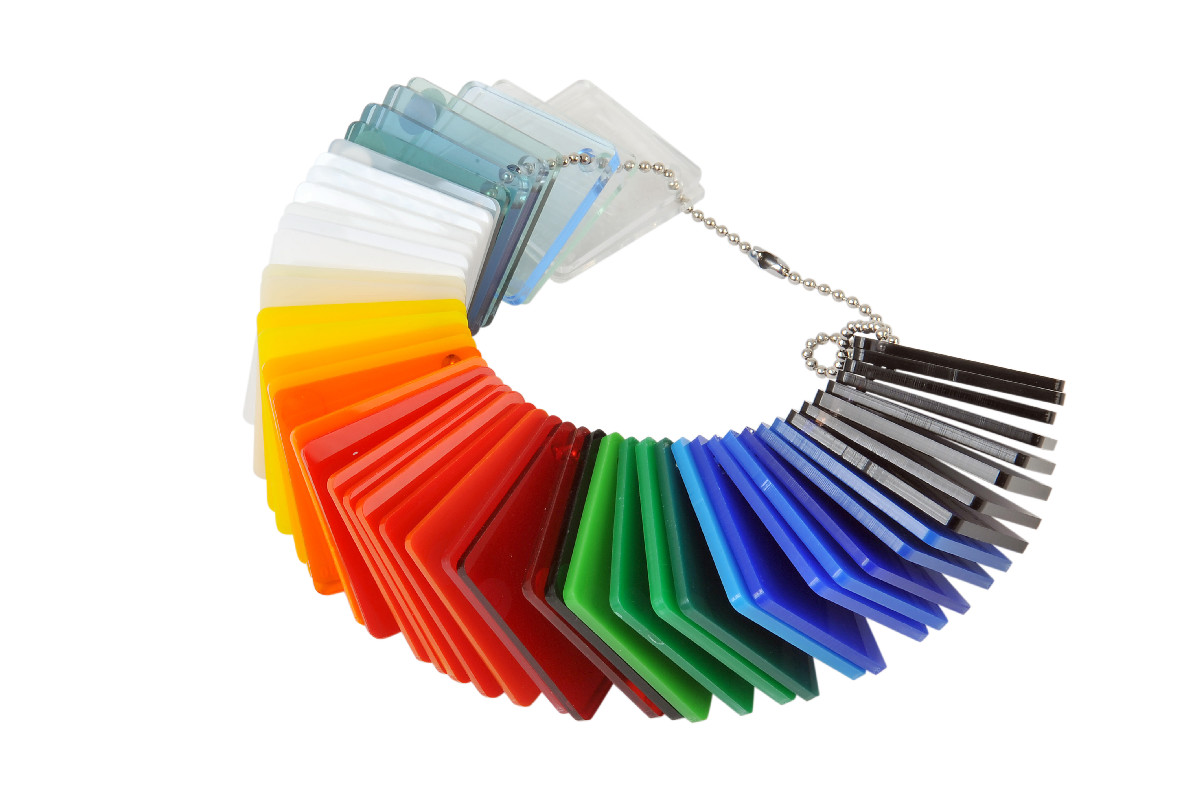
| A brand color on the body | Any of the above, color matched | As base sheet | Around 2,000 lb of sheet minimum |
A clear part that must be flame rated is the hard case. Our stocked polycarbonate and PETG are HB, so a flame-rated window means sourcing a flame-rated polycarbonate grade and mounting it behind a bezel. If no row fits, ask: any sheet that can be thermoformed is a candidate, and styrene also works well in the process. Data sheets for everything we stock are on the materials page.
Choosing the gauge
Use 3 mm for most housings and 4 to 8 mm where a long span needs stiffness. The physics favors small steps: a flat panel’s bending stiffness rises with the cube of its thickness, while its weight rises in proportion. Going from 3 to 4 mm makes a panel about 2.4 times stiffer for a third more weight. Going to 6 mm makes it eight times stiffer and twice as heavy.
Thick sheet has costs beyond weight. Long bends in 6 mm material tend to warp, 6 mm needs longer heating, and outside dimensions grow by one material thickness at every bend. That is one reason designs mix gauges: our average product is eight pieces in two thicknesses, for example a 3 mm body with a 6 mm base that carries the load.
For drop resistance, add corner doublers and ribs and reinforce the glue joints before you thicken every wall. The product’s weight and the drop requirement set the direction: surviving undamaged is a different design from failing without creating a hazard. The enclosure design guide lists the bend and gauge limits.
What we need to confirm the material
- Where the product lives: indoors or out, the temperature range, and any chemical it will be wiped or splashed with.
- The safety standard it will be certified to, and the flame class your test lab expects.
- The color: stock, printed accents, or a custom match.
- Expected quantity, which decides whether a custom color is worth its minimum.
An engineer confirms the material during the engineering review, before quoting. The prototype is cut from production sheet, so it is also the right sample for your own chemical or drop testing, which a printed model is not.
Send the board, the environment and the certification target with a request for quote, and we will come back with the material and gauge we recommend.