
Polycarbonate and clear enclosures
Polycarbonate Enclosures and Clear Plastic Housings
Transparent, UV-stabilized polycarbonate sheet machined and bent into a housing, a window or a display cover with no tooling. For the jobs where clarity matters more than impact, acrylic and PETG are on the same shelf.
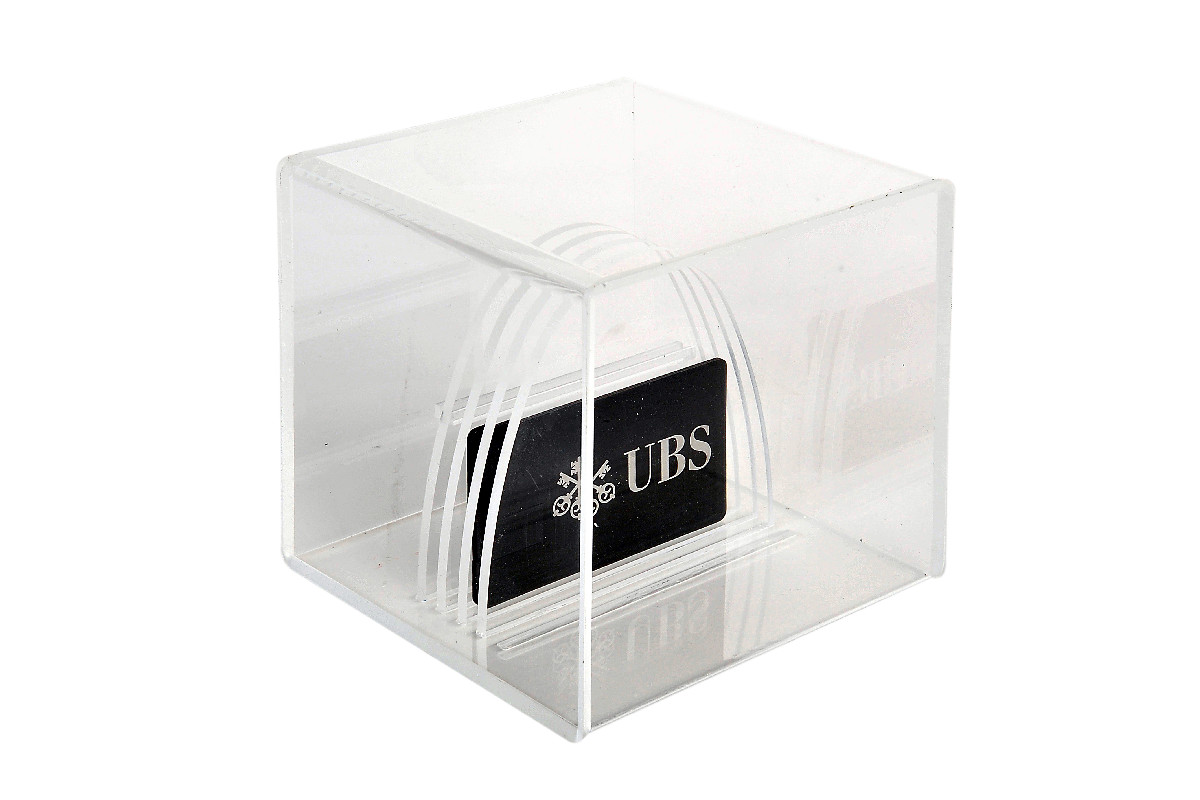
The material
A polycarbonate enclosure starts with a polished, UV-stabilized sheet.
The sheet behind every Toolless polycarbonate enclosure is TUFFAK GP, a transparent sheet with a polished surface, UV stabilization, outstanding impact strength, high dimensional stability, high-temperature resistance and high clarity, rated UL94 HB. It arrives flat and finished, and the Toolless process machines its openings, scores its bend lines and folds it on a computerized thermal bender in the same way as the ABS that makes up most of our production.
One property sets polycarbonate apart from every other material in the shop: it does not solvent bond. A polycarbonate part is therefore designed around bends, heat-staked brass inserts, fasteners and bezel-mounted panels rather than bonded seams. Our engineers settle that construction during the review that precedes every prototype, and the choice between polycarbonate, acrylic and PETG is made against the application rather than by habit. Data sheets for all three are on the materials page.
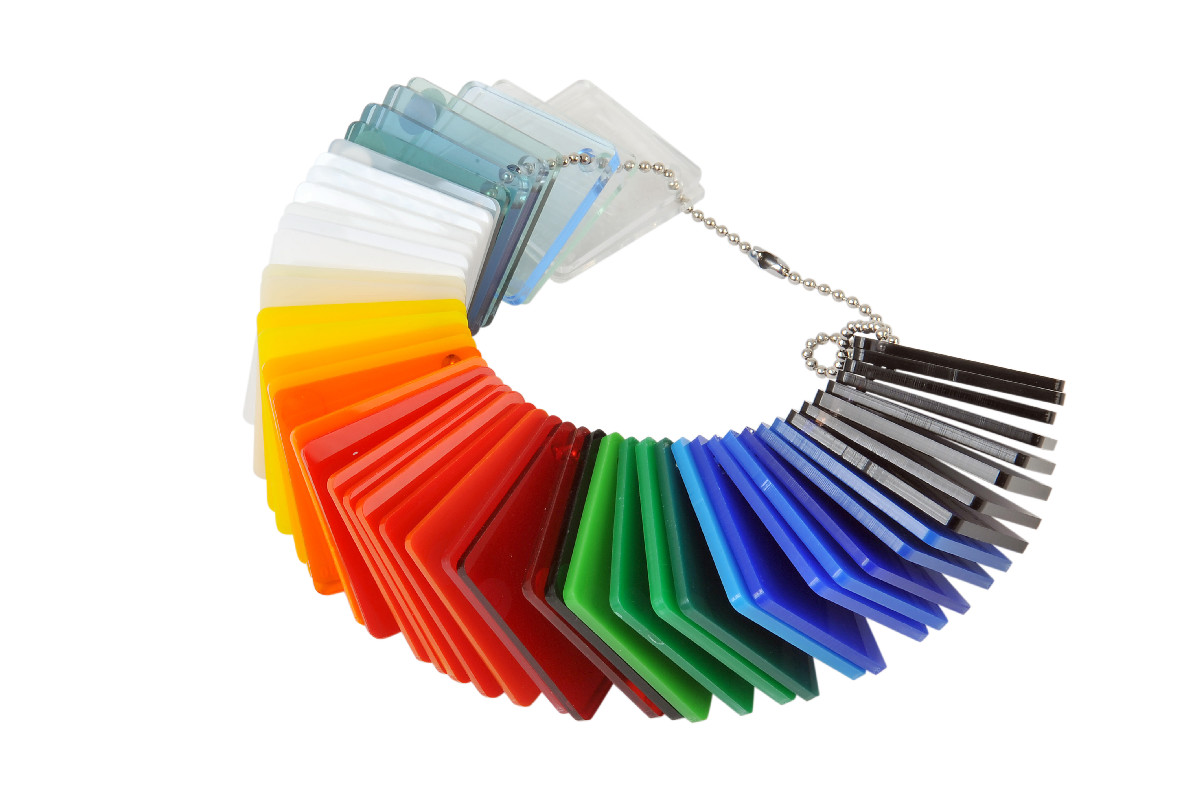
Polycarbonate, acrylic or PETG
Three clear sheets, three different jobs.
Engineers searching for a plexiglass enclosure are describing acrylic, and for a display case or a trade-show piece acrylic is the right call: crystal clear, weather resistant, available colored, and it bonds well. Polycarbonate takes over when the housing will be dropped, struck or run warm. PETG sits between them, with good impact resistance and outstanding thermoformability for deep-draw shapes.
A flame-rated window in an enclosure is a special case. Because polycarbonate cannot be solvent bonded into a recess, it is held by a bezel; an acrylic window is bonded from the rear, flush with the front or recessed with a chamfer.
Where clear parts are used
Housings, windows and covers.
A clear enclosure is the obvious application. A clear panel inside an opaque enclosure is the more common one.
Clear enclosure
A fully transparent housing shows the electronics, the mechanism or the product inside. Bends form the body; end panels attach with inserts and fasteners, or, in acrylic, by solvent bonding, so the joint lines become part of the look.
Windows and display covers
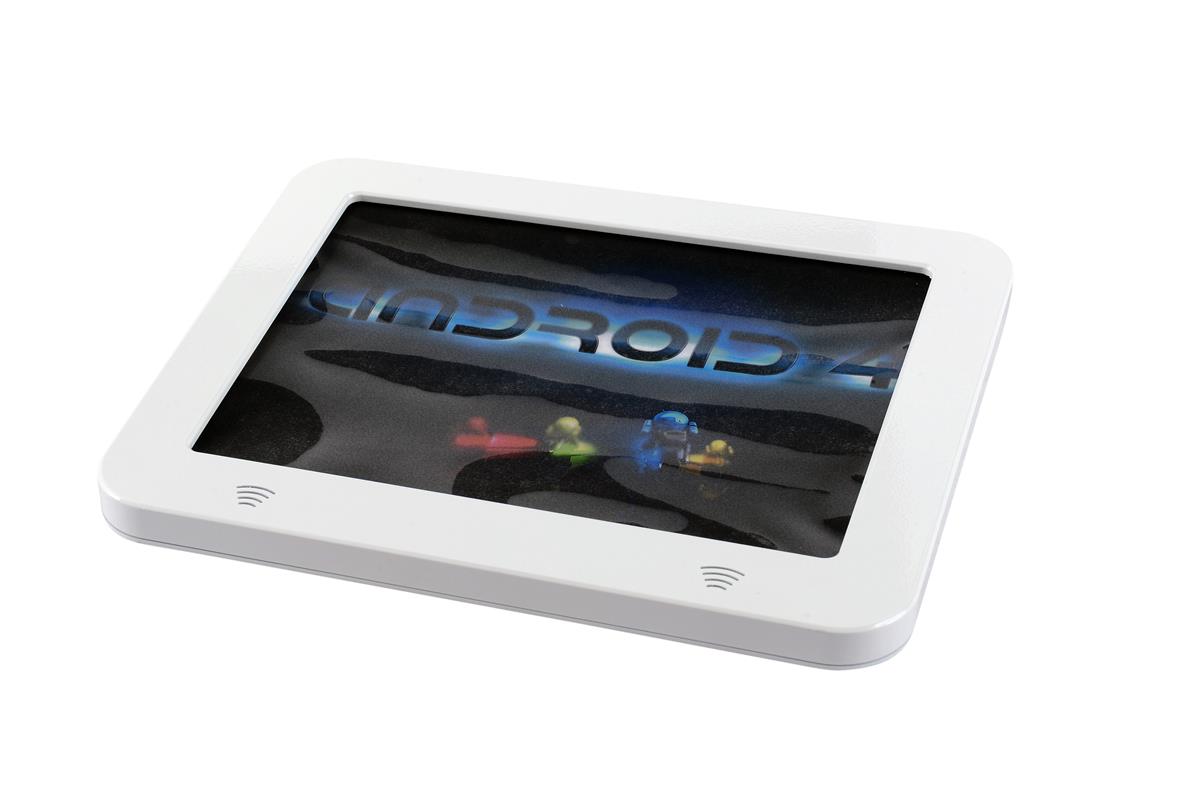
Acrylic windows and screens are bonded into a machined recess in an ABS body from the rear, flush or chamfered. Non-glare inserts suit touchscreens, and polycarbonate covers mount behind a bezel where impact or flame rating is the driver.
Polycarbonate medical enclosures
Devices for surgery rooms, sleep diagnostics and respiratory care have used the process since 1994. Polycarbonate panels give a wipeable, impact-resistant face where a clear view of fluid paths, indicators or a display is required.
Design rules for clear parts
What to decide before we cut transparent sheet.
Clear material hides nothing, so the machining marks, the bend scoring and the fastener hardware that disappear inside an ABS housing are on display. These rules keep a polycarbonate or acrylic part looking the way it did in the render.
- Choose the material by failure mode: polycarbonate for impact and heat, acrylic for clarity and bonding, PETG for deep-draw thermoformability
- Plan polycarbonate joints as bends, inserts and bezels; plan acrylic joints as bonded seams placed where they read as a feature
- Keep the bend count low and dimension to the inside walls; outside dimensions grow by one thickness per bend
- Put pockets larger than about 9 square inches through the sheet with a bonded insert from the back, which removes machine marks
- Use a bezel for any flame-rated polycarbonate window in an ABS or FR ABS body
- Specify white-ink digital printing where legends must read on a clear face
Related
Keep reading.
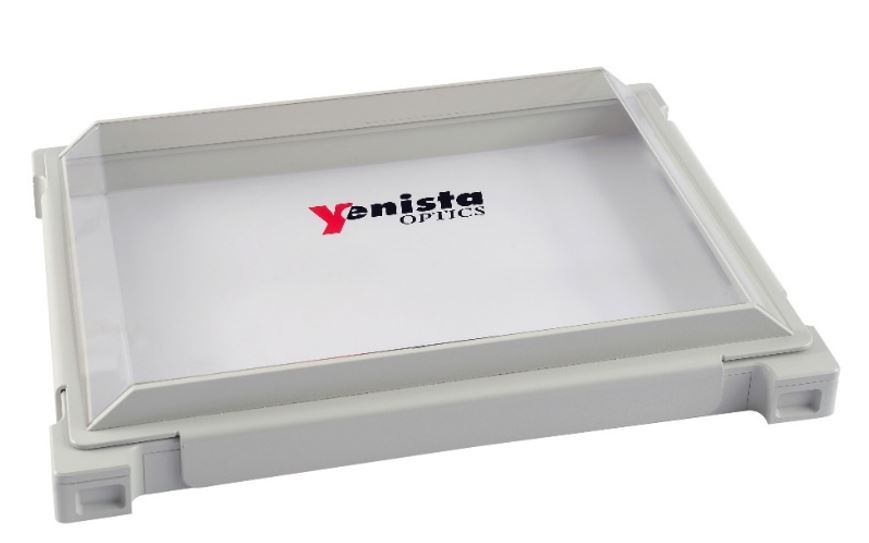
Acrylic enclosures
Display cases and clear housings with bonded seams and polished edges.
Acrylic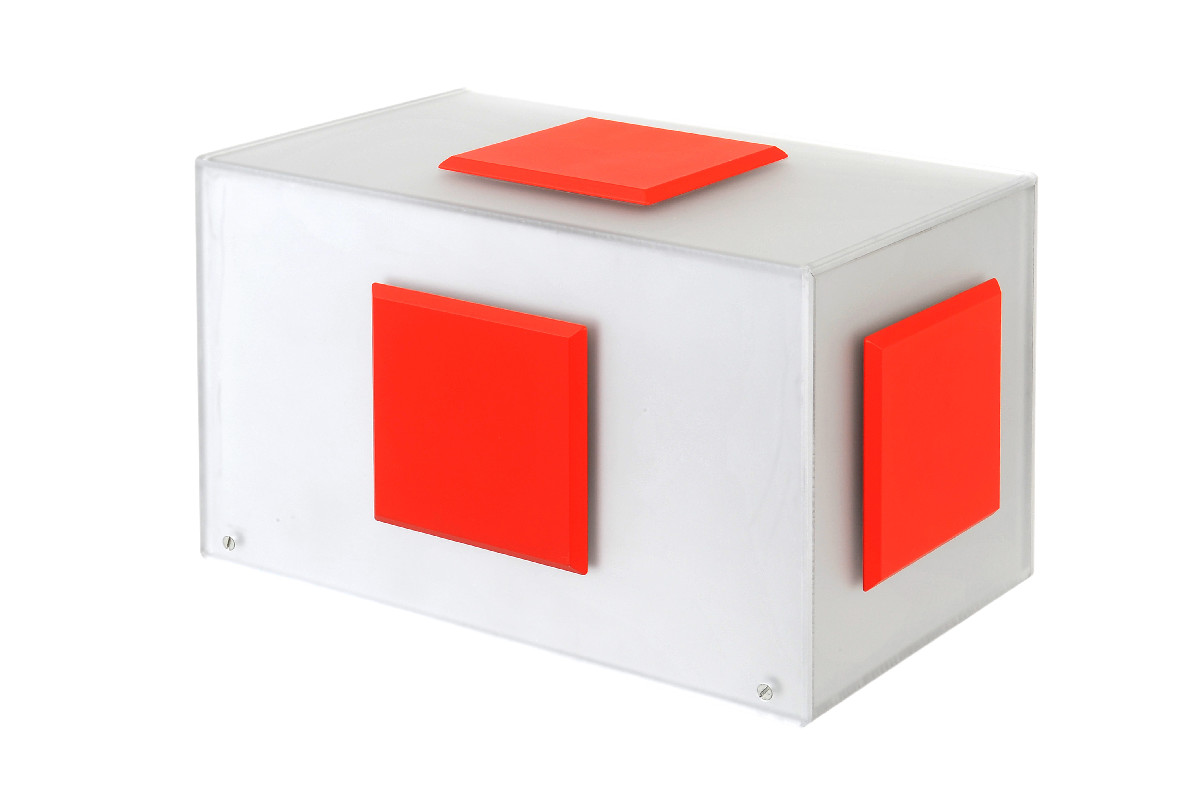
Materials selection
Every stocked sheet with its rating, colors, thicknesses and data sheet.
Materials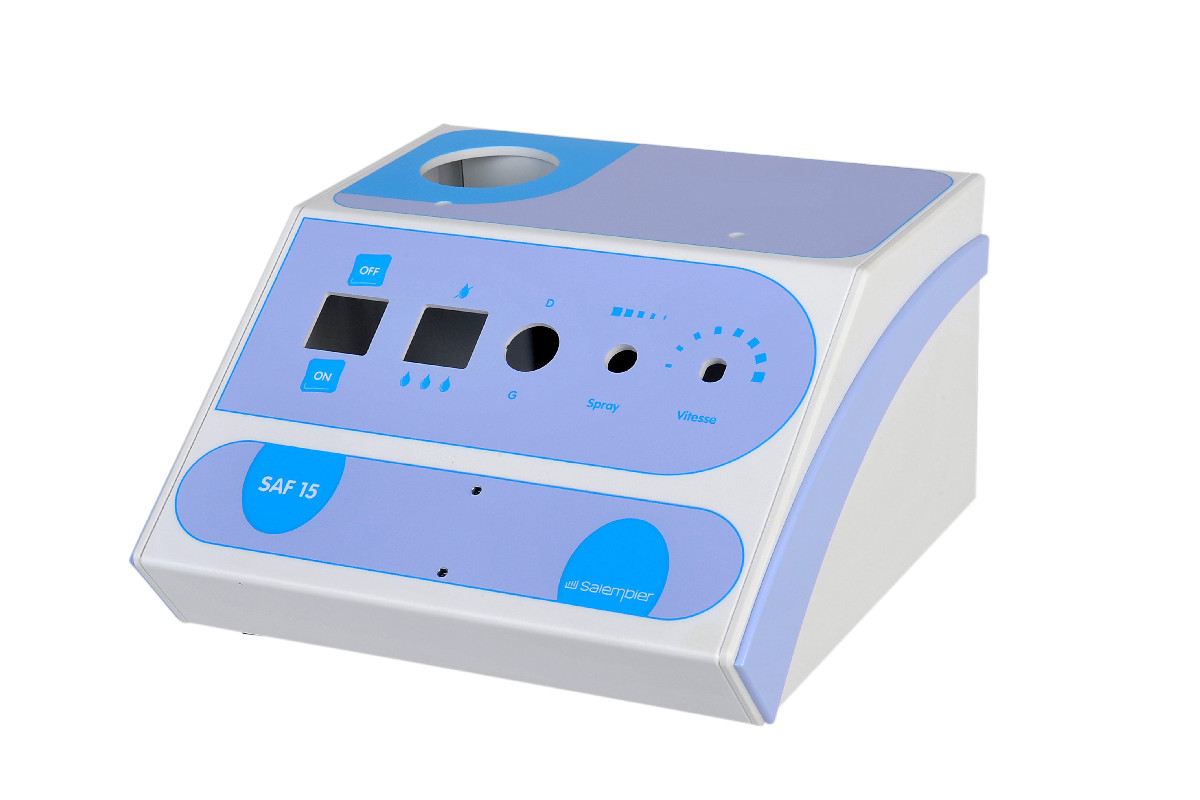
Medical enclosures
Device housings for clinical and diagnostic equipment since 1994.
Medical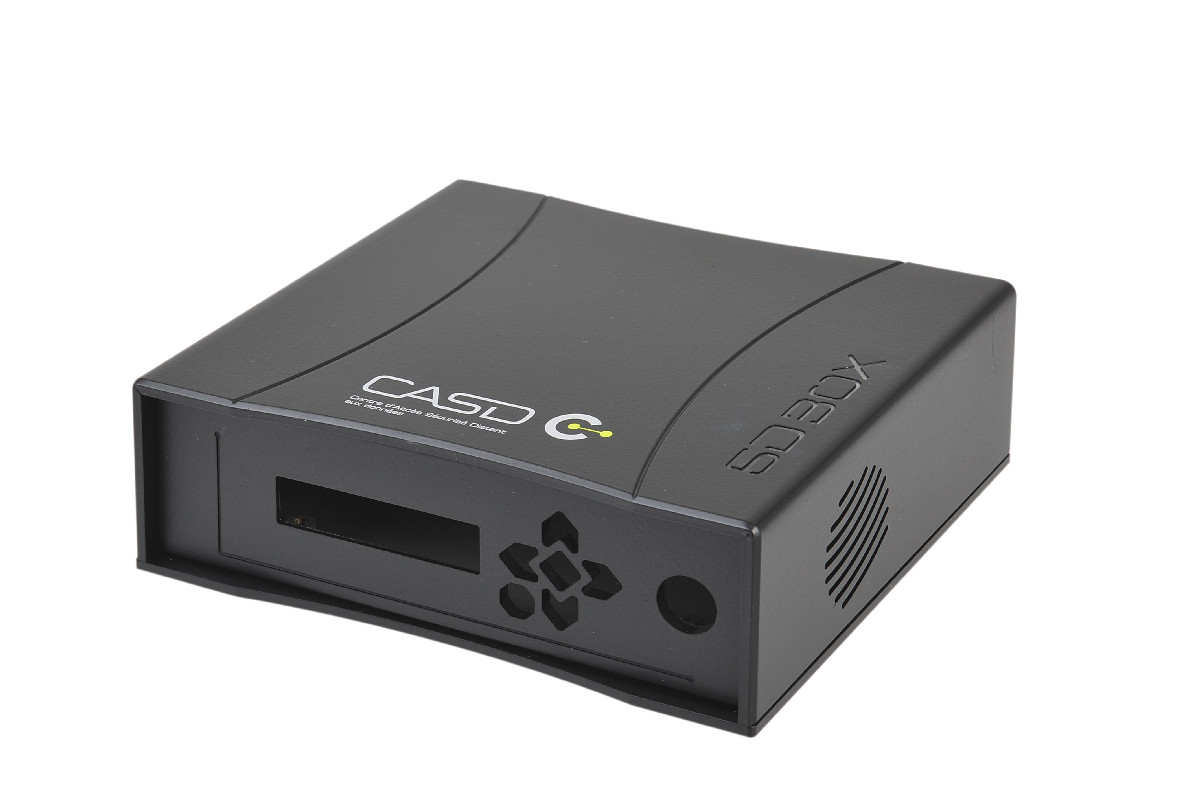
ABS enclosures
The opaque body that most clear windows and covers are mounted in.
ABSQuestions
Polycarbonate and clear enclosures, answered.
Can you make a complete enclosure from polycarbonate?
Yes. The sheet is machined and thermally bent like any other stock, and the assembly is held with bends, heat-staked brass inserts, fasteners and bezels because polycarbonate does not solvent bond. The engineering review sets that construction before the prototype is cut.
Is polycarbonate or acrylic better for a clear enclosure?
Acrylic for clarity, color options and bonded seams, which suits display cases and presentation pieces. Polycarbonate for impact strength, high-temperature resistance and UV exposure, which suits equipment that is handled, transported or runs warm. PETG is the choice for deep-draw thermoformed shapes with good impact resistance.
What flammability rating does your polycarbonate carry?
TUFFAK GP is rated UL94 HB. Where a housing needs UL94 V-0, we stock flame-retardant Royalite ABS and Boltaron 4335 for the body, and a polycarbonate window is mounted with a bezel rather than bonded in.
Can a clear enclosure be printed?
Yes. Two digital UV printers print full color and white ink directly on the plastic, and raised TEXTUR3D prints are available. White ink under a color graphic keeps legends readable on a transparent face.
Why engineers choose Toolless
Trusted for enclosures since 1998.
Startups, OEMs and medical device makers across the USA, Canada and Australia come back for the next run. Read more testimonials.
- Years without molds
- 25+
- Certified quality system
- ISO 9001
- Units per order
- 1–10,000
- Sq ft in Everett, WA
- 13,000
“We initially considered injection molding, but with our volume the cost of tooling would never be recovered. It took only a week to settle on a design and get a prototype, and we were in production a week later.”
“I spent 9 years as a quality engineer at Rockwell and tend to be a perfectionist. Your professionalism and diligence in helping evolve our cover is greatly appreciated.”
“After a number of orders, Toolless have become our preferred supplier. Even though we are located in Australia, all deliveries have been fast and hassle free.”
Start your enclosure
Send the board. We’ll send the box.
Quotes come from an engineer, not a form robot. Attach CAD, photos or a sketch and we reply within one business day.