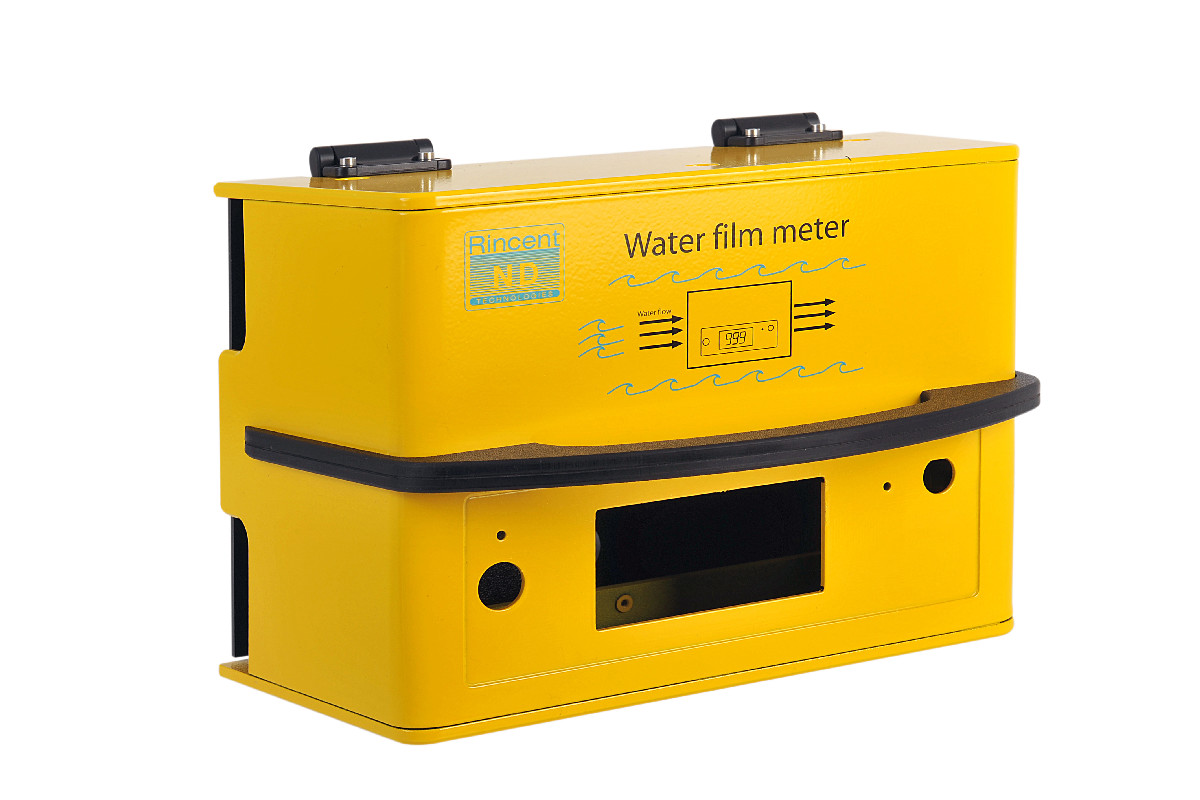
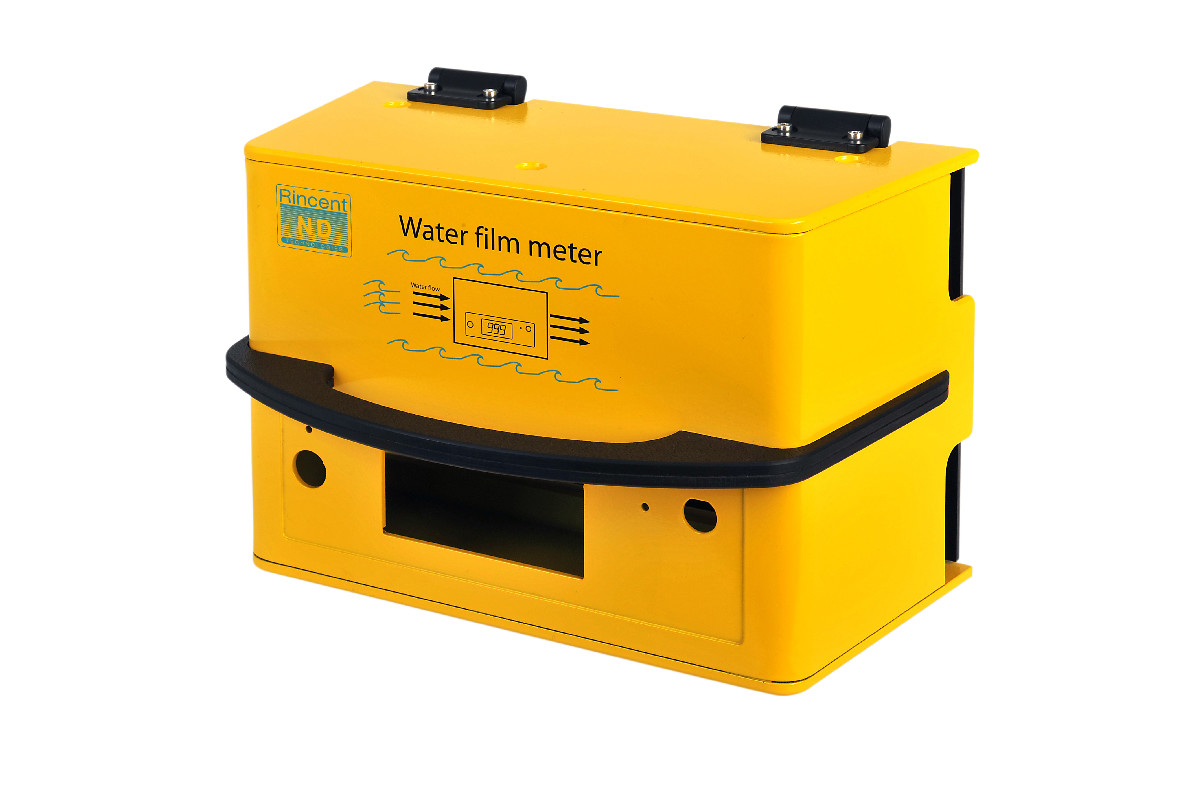
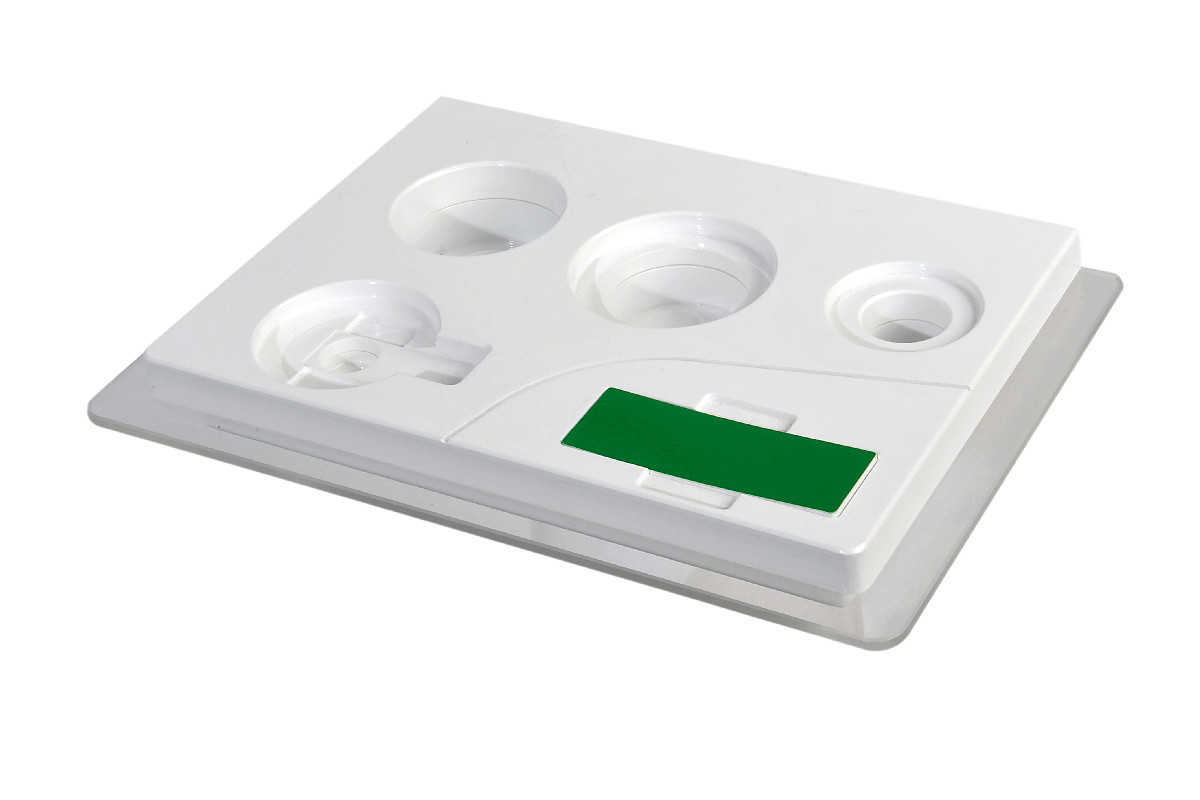
Engineers about to send us a model usually want four answers: will the parts fit, how fast will they arrive, will someone help with the design, and what happens when it changes. Below, customers answer in their own words, quoted exactly from our testimonials page with names and companies as published there. After each group we explain what in the process produced the result, so you can judge whether it would hold for your project.
| What engineers ask | Who speaks to it | What produces it |
|---|---|---|
| Fit | IMA North America, an OEM customer, an engineering customer | CNC programs held to ±0.2 mm; self-locating joints |
| Lead time | Open Flight Solutions, Bossa Nova Technologies, a purchasing manager, a device manufacturer | No mold; prototypes in 3 to 21 working days |
| Design help | Bossa Nova Technologies, Open Flight Solutions, GWC Technologies | One engineer per job; engineering review of every model |
| Changes | Halytech, Sensata | A change is a program edit |
| Quality over years | Futrex, Spectrum International, a quality lead | ISO 9001:2015; repeat orders run from the same program |
Fit: parts that go together as drawn
Mark F. Brunyak, Mechanical Designer at IMA North America, wrote that the enclosure “fits great” and that he would have “another smaller order for you to quote early next week.” Tilo, an engineering customer, wrote about a sub rack:
“The sub rack fits beautifully. Thank you for the effort you put into the whole project. I look forward to working together on the next phase.”
David S., an OEM customer, compared a production enclosure with the one it replaced:
“They are much more functional than our old enclosure and, best of all, super easy to build: 4 screws versus 18 screws, gluing and a logo sticker on our old one.”
What is behind it. Every opening, recess and boss location comes from a CNC program held to ±0.2 mm on the flat pattern, and the tongue-and-groove joints are designed to a net fit at extreme tolerance, so the pieces locate themselves during bonding. In a solvent-bonded body, screws are needed only where the box opens, and a logo printed on the panel replaces a sticker. The caveat: fit is only as good as the model of what goes inside, so send the PCB with its connectors modeled.
Lead time: weeks, not months
Steve Sokol, Founder of Open Flight Solutions, on the FlightBox receiver case: “We initially considered injection molding, but with our volume the cost of tooling would never be recovered.” And on the schedule:
“It took only a week to settle on a design and get a prototype, and we were in production a week later.”
Sebastien Breugnot of Bossa Nova Technologies: “It took them 10 working days after approval to accomplish the prototype.” Gary Latimer, a purchasing manager: “Whatever you did to improve the lead time is greatly appreciated.” Jay, a device manufacturer: “Your efforts expediting the custom plastic enclosure opened doors for us by meeting deadlines for strategic conferences, customers and events.”
What is behind it. There is no mold to cut, and a mold takes at least 8 weeks. Quotes come within 48 hours, prototypes in 3 to 21 working days depending on complexity, and production runs three weeks after the PO. A week, as FlightBox saw, is near the fast end of that range; Bossa Nova’s multicolor housing, with hidden screws and a magnetic side door, took 10 working days after approval. Plan on the range, not the best case.
Design help: ideas you did not ask for
Sebastien Breugnot again: “We needed to hide the screws and wanted a multicolor housing; they even came up with the idea of using magnets for our side door.” Steve Sokol: “Toolless converted our prototype model, built for 3D printing, into an incredibly strong and attractive design at a price that fit our budget.” Dave Braumann of GWC Technologies Inc.:
“I spent 9 years as a quality engineer at Rockwell and tend to be a perfectionist. Your professionalism and diligence in helping evolve our cover is greatly appreciated.”
What is behind it. One engineer acts as project manager for each job and checks every model against the shop rules before quoting, adding the tongue-and-groove joints and bend allowances. A model built for 3D printing or molding usually needs redrawing for sheet: compound curves become curves in one direction, molded ribs become bonded ones, and snap fits become screws into inserts, magnets or a tongue-and-groove snap. Our speaker housing case study shows a design drawn for injection molding converted this way, and the enclosure design services page explains how a project runs when you start from a sketch.
Changes: revisions without retooling
Stevan Palos, Director of Halytech Pty Ltd, ordering from Australia:
“Even though we are located in Australia, all deliveries have been fast and hassle free, including very competitive air freight through their partnership with FedEx. Their responses to our requests for minor design changes and production tweaks were done quickly and professionally.”
Andre Baca of Sensata: “Thanks so much for your patience and hard work getting these to us in a timely manner, and for accommodating my last-minute changes.”
What is behind it. A moved port, a new boss or a resized box is a program edit, not a mold modification. Depending on complexity there is frequently no charge, and simple changes can go in on the fly, even during a run. The one caveat is timing: parts already cut to the old revision stay that revision, so a change costs least before the run starts.
Quality and supply over years
Gavin, a quality lead: “The QC inspector was very impressed, tested and inspected the enclosure very closely, and found no faults. I was also impressed with the thicker side wall.” Carole Rosenthal, President of Futrex, Inc., on the plastic cuff cover we make for them: “This is a complex part and we appreciate your diligence in manufacturing it always on time and with high quality.” George Bekov, President of Spectrum International, Inc.: “They have supplied Spectrum since 2002.” Bossa Nova: “We have been a Toolless customer for more than 7 years.”
What is behind it. Every lot is inspected under our ISO 9001:2015 quality system. Because every feature comes from a program rather than an operator’s setup, a repeat order this year matches last year’s prototype, which is what makes long supply relationships practical. Wall thickness, corner doublers and ribs are chosen against the drop and load requirement rather than by default.
What testimonials do not tell you
These are customers who chose to write, so read them as evidence of what the process can do, not a promise about your part. Three things they leave out:
- The limits. Joint lines are visible, bends run the full width of a panel, and curves form in one direction. Our post on the limits of sheet-fabricated enclosures covers each with its workaround.
- The crossover. FlightBox chose us because its volume would never recover a tool. For a stable design running past roughly a thousand pieces at a time, a mold starts to make sense.
- Your geometry. The only real test is a quote and a prototype of your own design.
Send your model through the CAD upload page; if it was drawn for printing or molding, we flag the changes the sheet process needs. An engineer replies within one business day, and the quote follows within 48 hours.