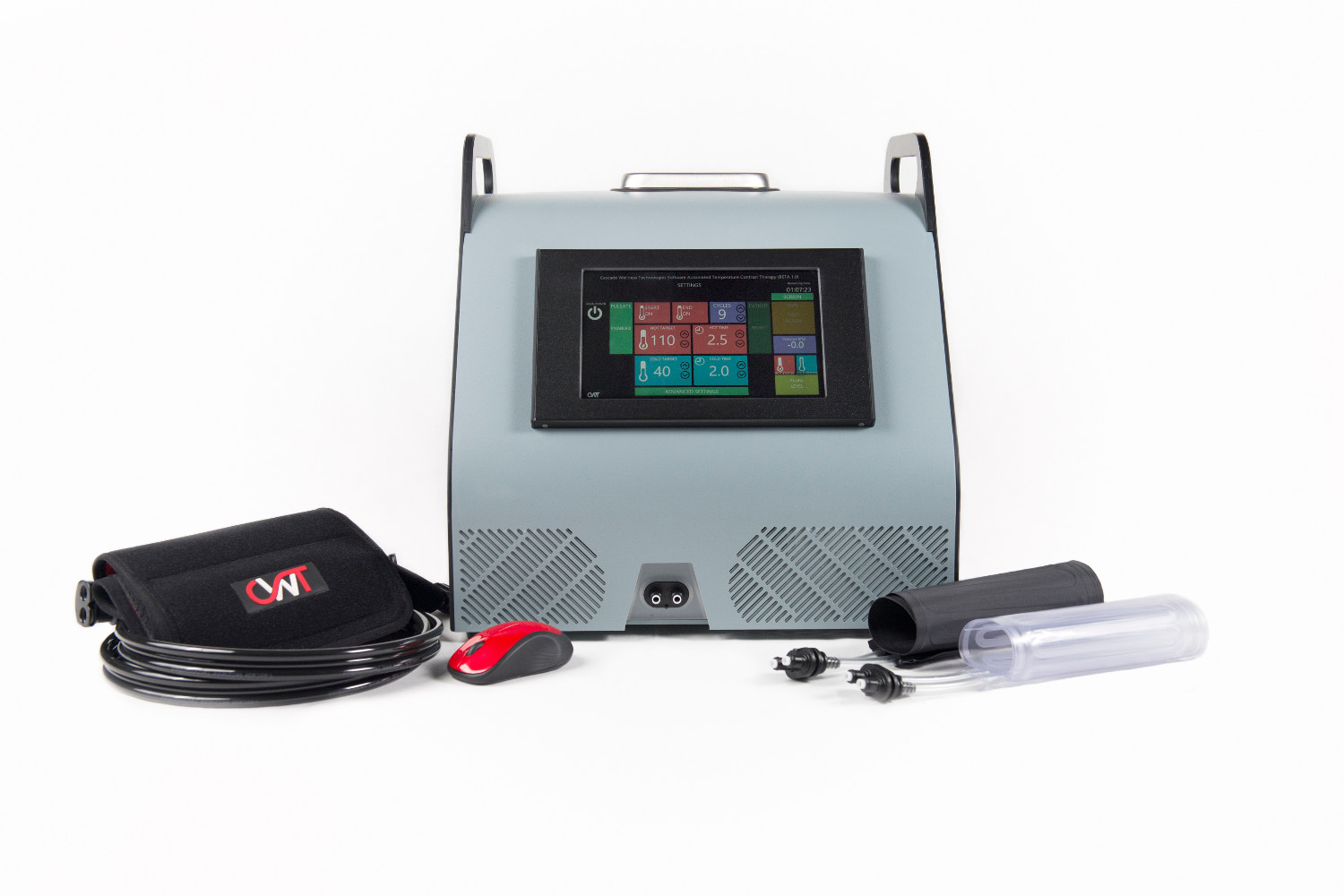
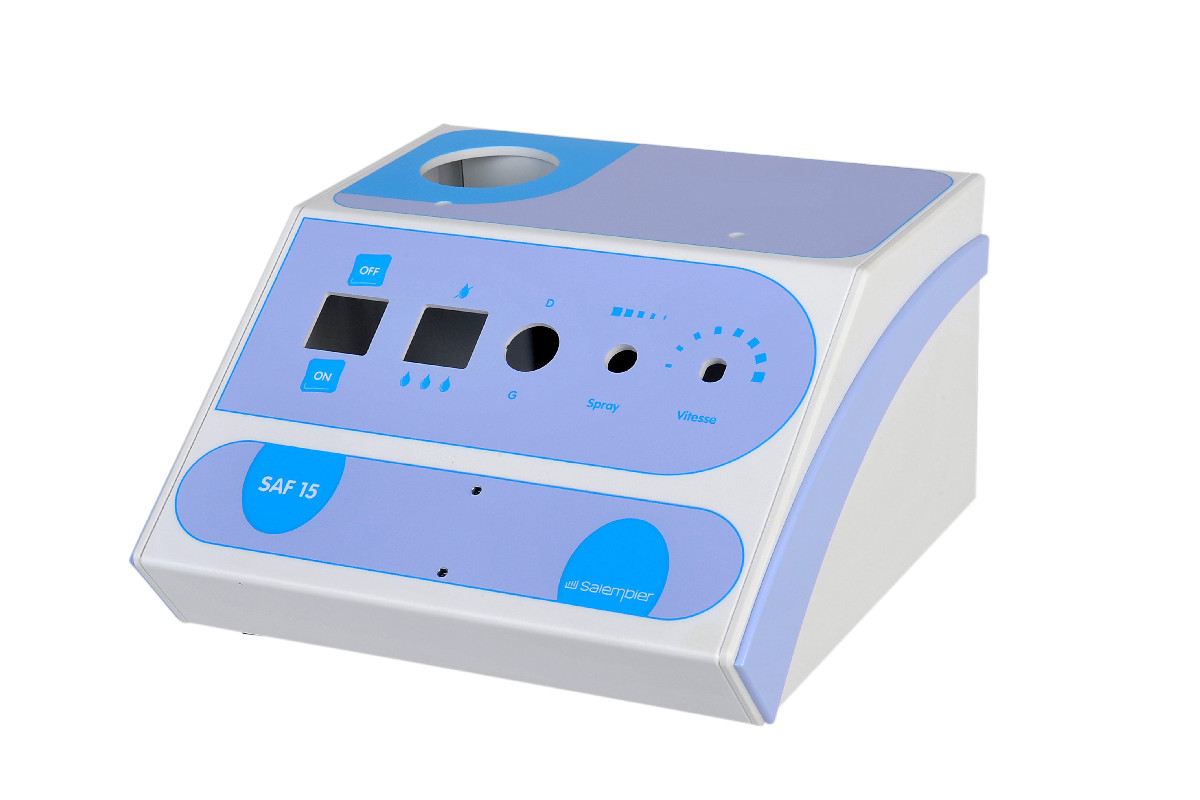
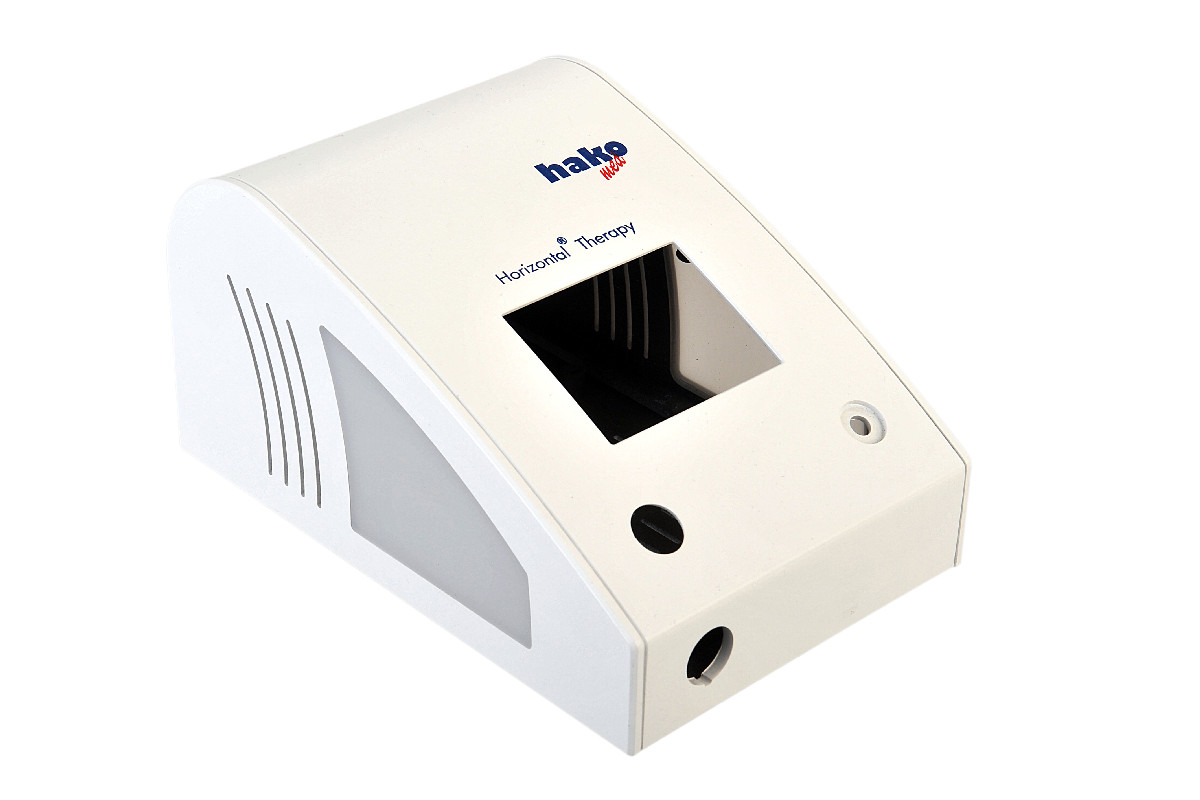
The enclosure is part of a research device’s safety design. It keeps fingers away from live parts, limits the spread of a fire, vents heat without admitting a probe, stays shut unless someone has a tool, and carries the warnings. This post covers how each of those jobs is done in a fabricated plastic housing, and which decisions belong in the model before anything is cut.
One boundary first. The device maker, or the institution that approves the device, is responsible for its safety evaluation. We build laboratory and research equipment enclosures to your design, in the material you specify; we do not test or certify the device.
Know which standard the device answers to
Laboratory and measurement equipment is generally assessed against IEC 61010-1, and medical electrical equipment against IEC 60601-1. Which one applies to a research prototype depends on its intended use and on who has to approve it, so settle it with your safety officer or test lab before the enclosure is designed.
Both standards treat the enclosure as a protective barrier and look at similar things: whether hazardous parts can be touched, how the materials behave in a fire, what can get through the openings, whether the housing survives mechanical abuse and whether the markings stay legible. The sections below follow that list. For what IEC 60601-1 asks of a housing in more depth, see IEC 60601-1 and the enclosure.
Keep fingers away from live parts
Plastic is an insulator, which is the first safety argument for a plastic housing. A metal enclosure that users can touch is itself a conductive part that must be protectively earthed or otherwise isolated; an ABS housing does not become live if a wire chafes through inside it. That does not make the device double insulated on its own. Whether the housing counts as part of the insulation system is your safety engineer’s decision, based on distances, wall thickness and testing.
Openings are checked with a standardized jointed test finger, so design as if one will be pushed into every gap. In a fabricated housing the seams are not gaps: the tongue-and-groove joints are solvent bonded into one rigid body. The openings are the ones you choose, such as connector cutouts, vents and the clearance around a removable cover, and each needs distance from anything hazardous behind it. Where a mains inlet or power supply sits near an opening, an internal bracket or barrier panel can block the line of reach.
Two details are easy to miss. An EMI coating makes the inside of an insulating housing conductive, so mask it back from live parts and give it a defined ground point, usually a brass insert, where your engineers specify. And give every cable that leaves the box a strain relief, so a pull on the cord lands on the housing rather than the terminals.
Flame-rated sheet
A UL 94 rating describes how a material burns in a standard test. HB, a horizontal-burn class, is the least demanding; V-0 means a vertical specimen stops burning quickly and drops no flaming particles that ignite the cotton beneath it. Safety standards ask for flame-rated material around parts that could start a fire, and the device designer decides where that applies.
| Sheet we stock | UL 94 | Stock | Role in a safety-driven design |
|---|---|---|---|
| General-purpose ABS (ALLEN 552/LXS) | HB | White, black, light grey, dark grey; 3, 4, 6, 8 mm | Housings with no flame-rating requirement; about 80 percent of what we make |
| Royalite flame-retardant ABS | V-0 | Black or white; 3 mm | V-0 housings where black or white suits |
| Boltaron 4335 | V-0 | Acrylic/PVC alloy | V-0 with high impact strength and chemical resistance, at a cost competitive with FR ABS |
| Polycarbonate (TUFFAK GP) | HB | Clear, UV-stabilized | Tough windows; does not solvent bond, so it mounts behind a bezel |
| Acrylic (OPTIX) | Check data sheet | Clear or colored | Windows bonded in from the rear |
Three practical points follow. A UL 94 rating applies at the thickness tested, so compare the data sheet with your wall; Royalite is stocked in 3 mm. Royalite comes in black or white, so color on an FR ABS housing comes from UV printing rather than colored sheet. And a window is part of the enclosure: where it must be flame rated, a flame-rated polycarbonate pane is held behind a bezel instead of a bonded acrylic window. Data sheets for every grade are on our materials page.
Vents that let heat out and keep fingers out
Narrow slots are the safe way to vent. Our minimum slot width is 2 mm, long slots keep cross supports so the wall stays stiff, and when you need more airflow, add slots rather than widening them.
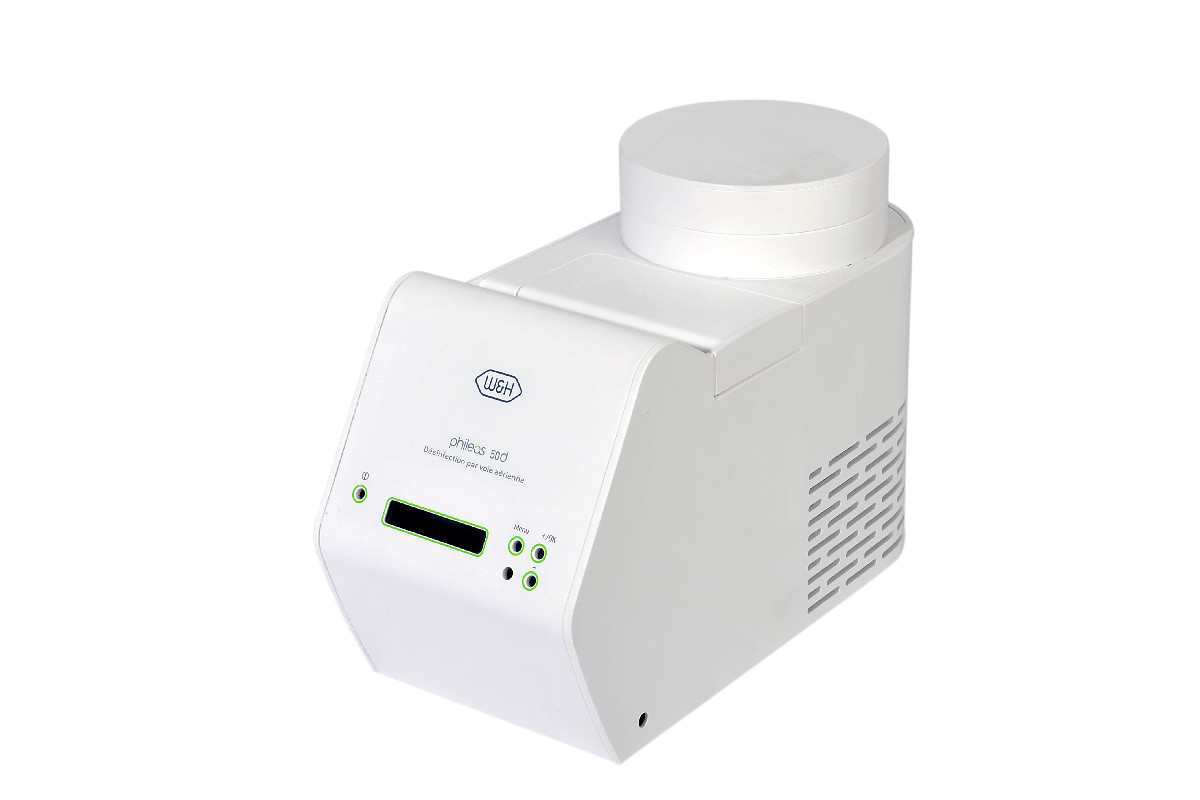
Placement matters as much as size. Avoid vents directly above mains parts: a top opening admits spilled liquid and dropped objects, and a lab bench produces both. Side vents, low on the inlet side and high on the outlet side, let convection do the work. With a fan, match the inlet area to the outlet area, keep the pattern as open as the wall allows, and fit a guard if a finger could reach the blades through the vent. The vent and fan rules are on our functional features page.
Covers that open only with a tool
Both standards draw a line between what an operator can reach without a tool and what sits behind a cover that needs one. Anything hazardous belongs behind the second kind.
- Fasten service covers with screws into heat-staked brass inserts. A self-tapping boss is meant for a screw that goes in two or three times; a service cover comes off far more often.
- Use security screws where you want to discourage curious hands. The amplifier enclosure in our case study has two tabs with security screws for exactly that reason.
- Give batteries and fuses that users replace their own door, so opening it exposes nothing else.
- Do not guard a hazard with a tool-free snap or slide-in cover. In sheet plastic a slide-in door needs a frame or an undercut, and a good snap is hard to make anyway.
- For a housing that must stay closed in a shared lab, a standard key lock costs less than a custom latch.
Edges and mechanical strength
Specify radii on every edge people handle. Our routers cut 1, 2 and 3 mm radii as standard, and each joint’s tongue edge carries a 0.5 mm chamfer.
Both standards also test the enclosure mechanically, with a steady push, an impact and, for portable equipment, a drop. A bent and bonded housing is as strong as an injection-molded part in a similar material and passes the usual drop tests. Where your device must meet a specific test, we add thicker sheet, corner doublers, ribs and reinforcement at the bonded joints.
Warnings and markings that stay legible
Safety markings belong on the part, not on a sticker that peels after months of wipe-downs. We UV print warnings, symbols, ratings and connector legends directly onto the sheet, so each legend registers with the cutout it labels, and the ink adheres better than silk screen. CNC engraving gives marks that cannot wear off, and a rating plate can sit in a machined recess.
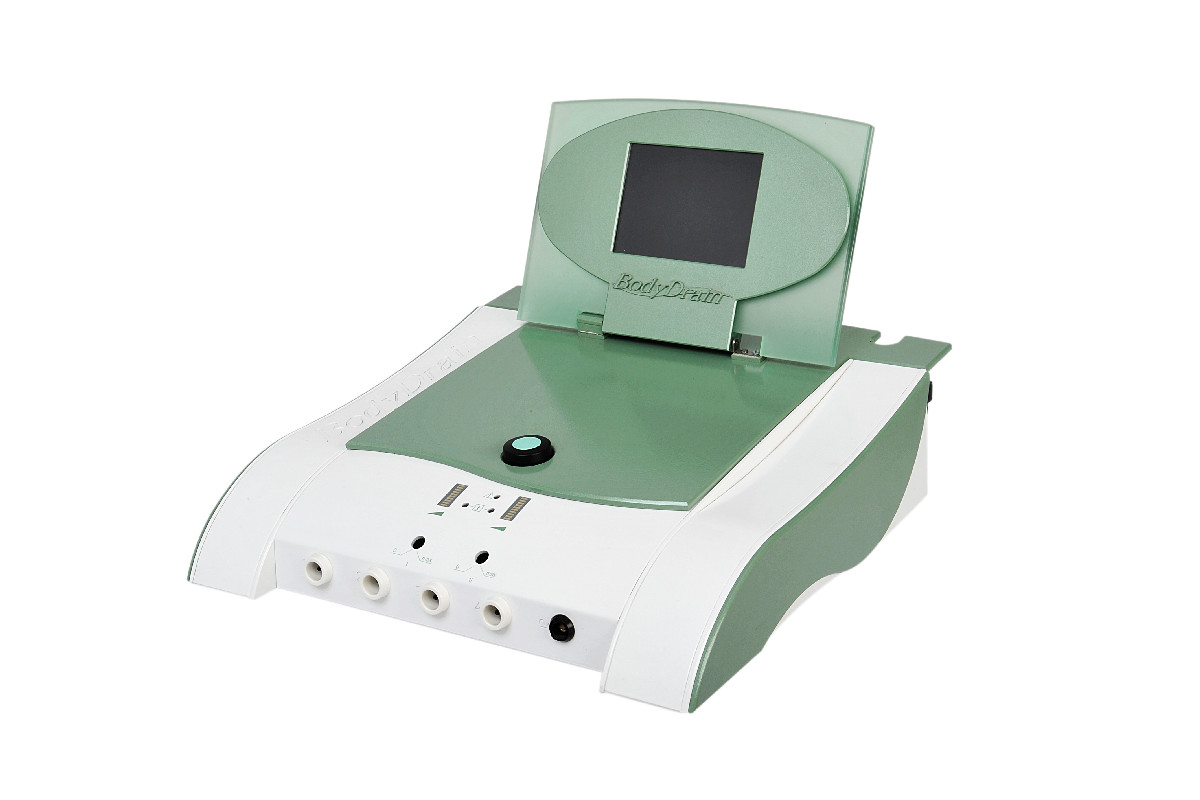
The standards check that markings survive rubbing with water and cleaning agents. Run the same check yourself on a printed sample with the disinfectants your lab uses before you release the design.
Send your model with the standard you are working to and a note on which internal parts are hazardous, and we will propose material, vents and fasteners to match. Start with the request-for-quote form.