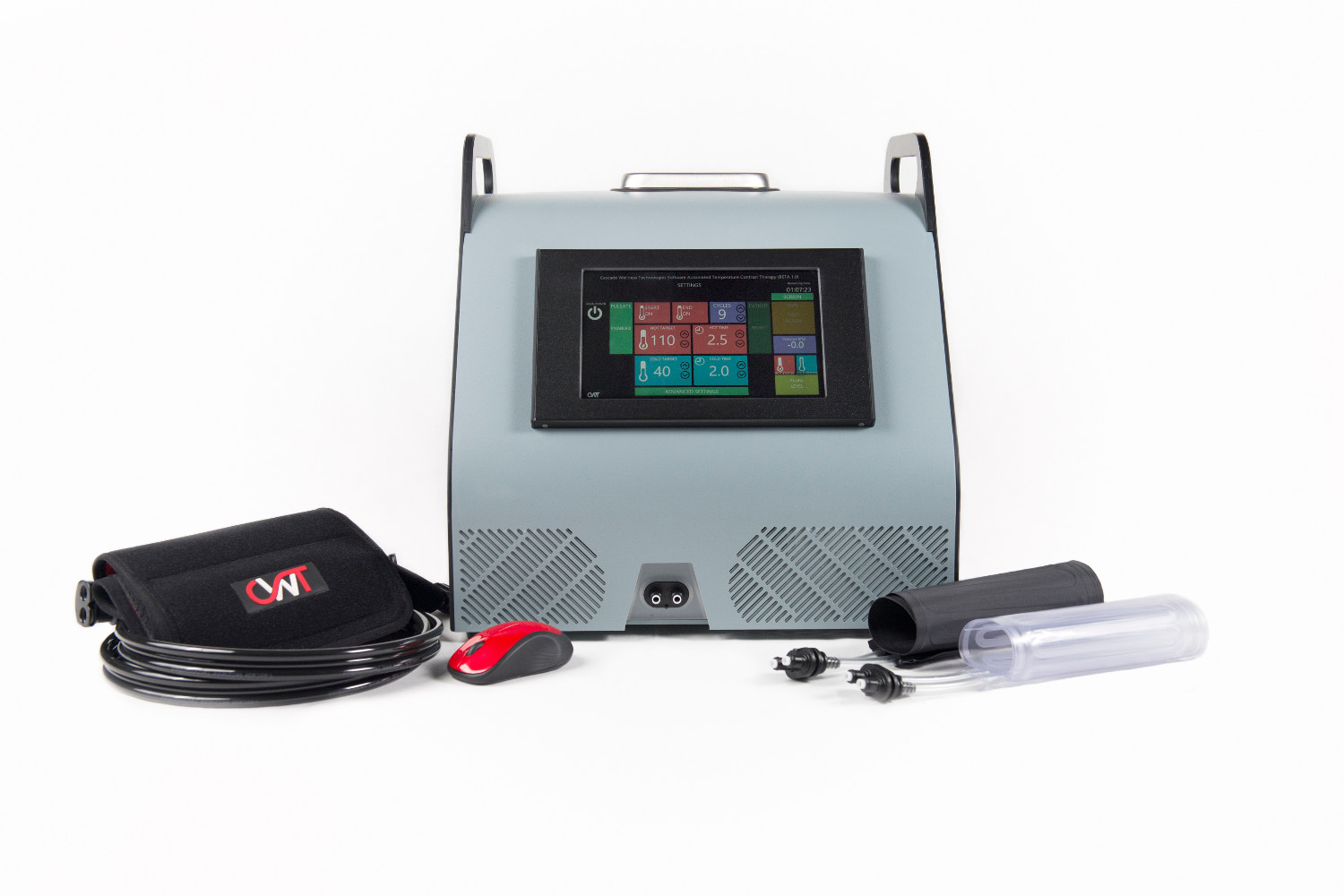
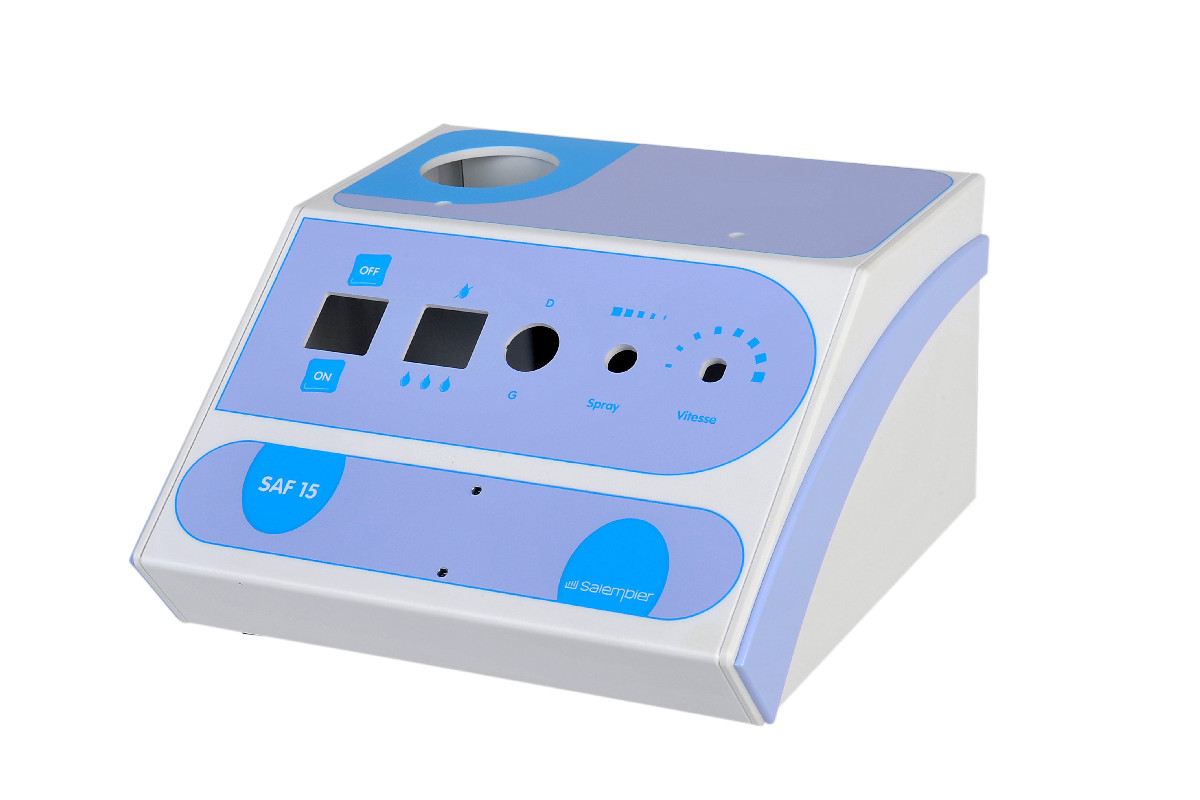
Four shifts in medical electronics are well documented and already show up in the medical enclosures we are asked to build: more equipment used at home, more radios inside the box, stronger disinfectants applied more often, and smaller production batches with revisions between them. None of them needs a forecast to take seriously.
Each one changes a specific set of housing requirements, and the design response is cheaper before the first prototype than after it. The table summarizes them; the sections below take them one at a time.
| Shift | What it does to the housing | Design response |
|---|---|---|
| Home use | Lay operators, carrying and shipping, cleaning by whoever is at home | Reinforced corners, tool-only covers, printed instructions, no top openings |
| Onboard radios | Antennas work through plastic, not through coatings or metal | Masked coating, keep-out zones, radio tests in the production sheet |
| Stronger disinfectants | Cracking at stressed features, wear on finishes and labels | Inserts at fasteners, seams off wipe surfaces, tests on stressed samples |
| Smaller batches | The housing is revised between builds | No tooling, prototype as first article, scheduled releases |
Equipment is moving into the home
Monitoring, therapy and diagnostic equipment that once stayed in a clinic increasingly goes home with the patient. IEC 60601-1-11, the collateral standard for medical electrical equipment used in the home healthcare environment, exists because that environment differs: the operator is a lay person, the device is carried and shipped, supply and storage conditions are less controlled, and cleaning is done by whoever is at home. It adds requirements in those areas on top of IEC 60601-1.
For the housing, that translates into four design moves:
- Robustness. Thicker sheet, corner doublers and ribs at the bonded joints, with heavy parts fastened to the base. A carry handle goes on with fasteners into brass inserts, never on a bonded joint loaded in tension.
- Fewer ways in. Covers a patient should not open need tool-required fasteners. If there is a battery door, make it the only panel a user opens.
- Instructions on the device. Connector labels, set-up steps and symbols printed directly on the panel stay with the unit when the manual does not.
- Water from above. Vents on vertical faces, no openings on top, and a lid that overlaps the body instead of meeting it edge to edge.
A bent and bonded housing passes the usual drop tests and can be reinforced where a specific test applies. A sealed handheld that must survive immersion is a different product, usually a molded and gasketed design. Our page on handheld and portable enclosures shows where the sheet process fits.
More radios inside the box
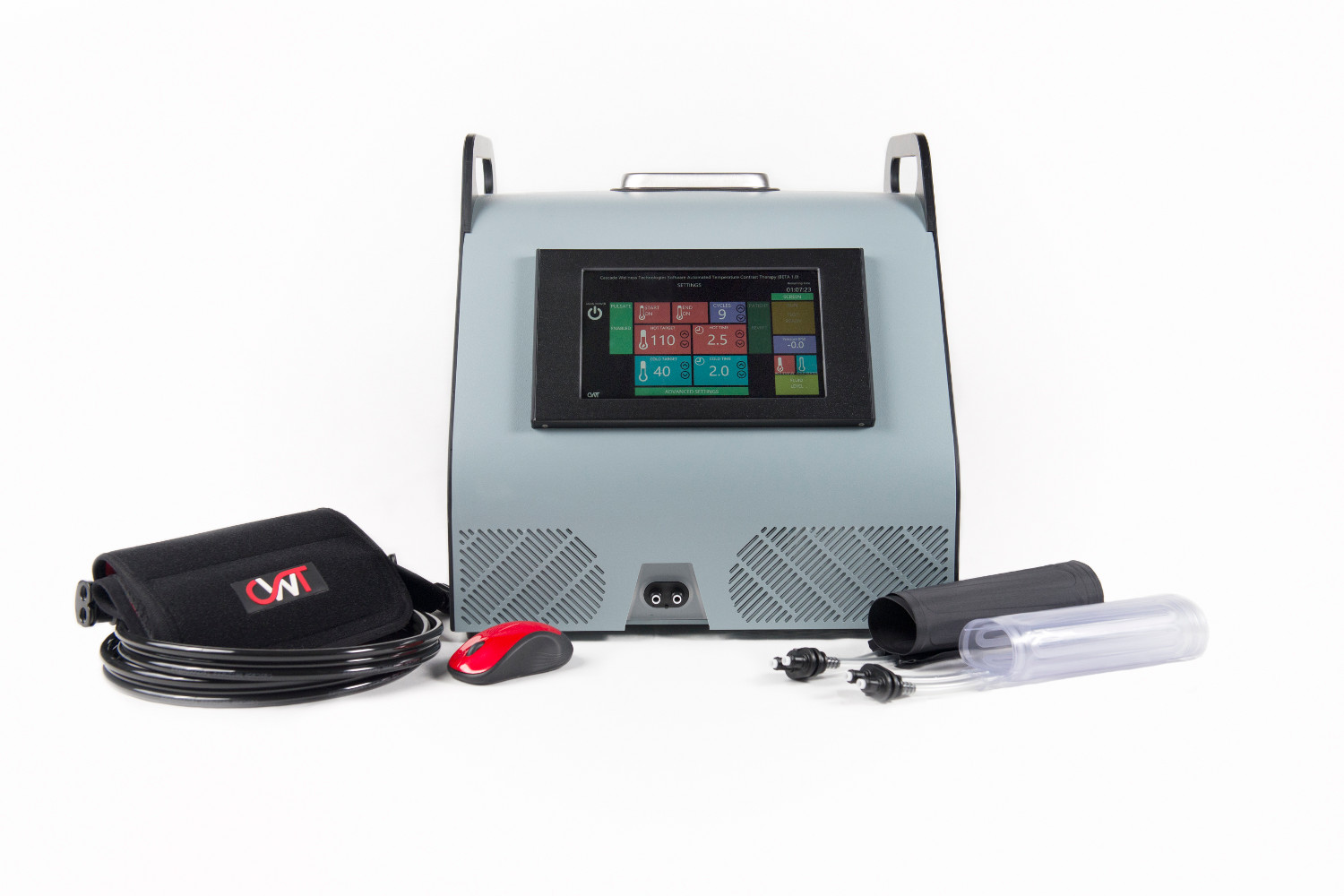
Bluetooth, Wi-Fi and cellular modules now appear in devices that once logged data to a memory card or a serial cable. A metal housing blocks their signals and forces the antenna outside. ABS, polycarbonate, PETG and acrylic are electrical insulators, so a module with an onboard antenna can work from inside a plastic housing, which is one of the stronger reasons to choose plastic for a connected device.
Three enclosure decisions can still detune or block that antenna:
- Conductive coating. An EMI/RFI coating inside the housing shields the antenna as well as the electronics. Coat the faces around the noisy circuitry, mask the area over the antenna, and mark both on the model before the first prototype. See EMI shielding for plastic enclosures.
- Metal near the antenna. Brass inserts, batteries, display frames and cable runs inside the module’s keep-out zone change its tuning. Model the keep-out zone from the module maker’s guidance and keep hardware out of it.
- The wall itself. Plastic close to an antenna shifts its tuning slightly, by an amount that depends on material and thickness. Test radio performance in the real housing, in the real sheet.
The last point favors a process in which the prototype is cut from the same sheet, on the same program, as production: the radio result you measure on the prototype carries into the run. Emissions and immunity testing under IEC 60601-1-2 stays with your test lab.
Stronger disinfectants, used more often
Hospital infection control has moved toward more aggressive chemistries, including hydrogen peroxide, bleach-based sporicidal products and quaternary ammonium blends with alcohol, applied frequently to anything near a patient. Housing plastics that tolerated older wipe-down routines can craze or crack under these, mostly where the plastic is under stress.
That condition is the one designers miss. Environmental stress cracking needs a chemical and a stress together, so it starts at screw bosses, press fits, tight window fits and over-tightened fasteners, not in the middle of a flat panel. For the enclosure:
- Test the actual disinfectant on stressed samples, such as a boss with a screw driven in, a bonded joint and a bent edge, not only on flat coupons.
- Use brass inserts at fasteners near wiped surfaces rather than self-tapping screws, which stress the boss each time they are driven.
- Keep seams and recesses off the main wipe surfaces so fluid does not sit in them.
- Run the same wipe test on printed legends.
Pre-colored sheet helps because there is no paint layer to wipe away. Among the sheets we stock, Boltaron 4335 lists chemical resistance among its properties, along with a UL94 V-0 rating; our comparison of plastics for medical device enclosures covers the alternatives.
Smaller batches and more revisions
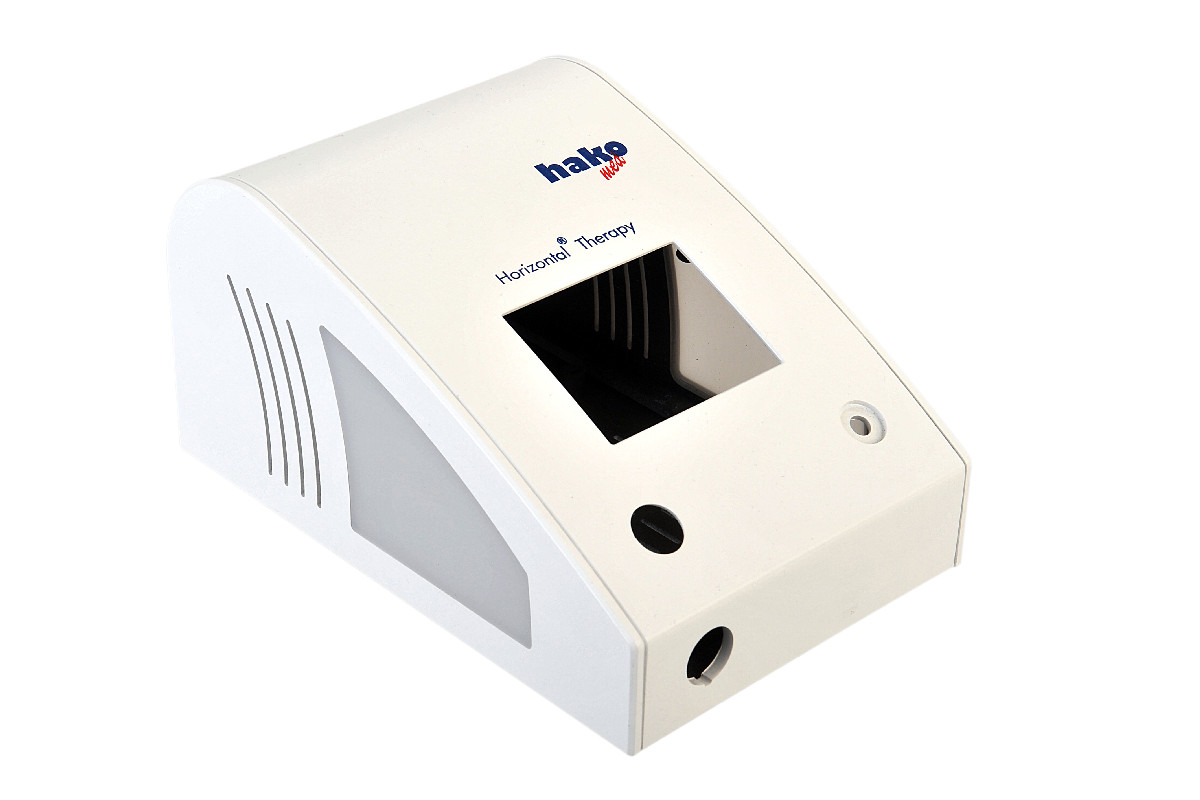
Many medical device programs ship in hundreds rather than tens of thousands: specialty diagnostics, devices that grew out of a research project, and products that go through several hardware revisions in their first years. Our own medical work follows that pattern. Housings ship in the hundreds, change, then ship again, and we regularly build 500 units, revise the design, build 500 more and revise again before a customer considers tooling.
At those volumes a mold is hard to justify. It takes at least eight weeks to make, and every moved connector means modifying it. In a fabricated housing the same change is a program edit, and the prototype comes from the same sheet and program as production, so the unit your test lab sees is the unit you ship. Production follows three weeks after a PO, and a blanket order covers 10 to 10,000 units in scheduled releases.
The honest limit: once a design stops changing and runs pass roughly a thousand pieces each, injection molding usually wins on unit cost, and we will say so. Until then, low-volume manufacturing without a mold keeps the housing as easy to revise as the firmware.
If your next device is going home, going wireless or facing a new cleaning protocol, send the requirements with a request for a quote. An engineer will reply within one business day.