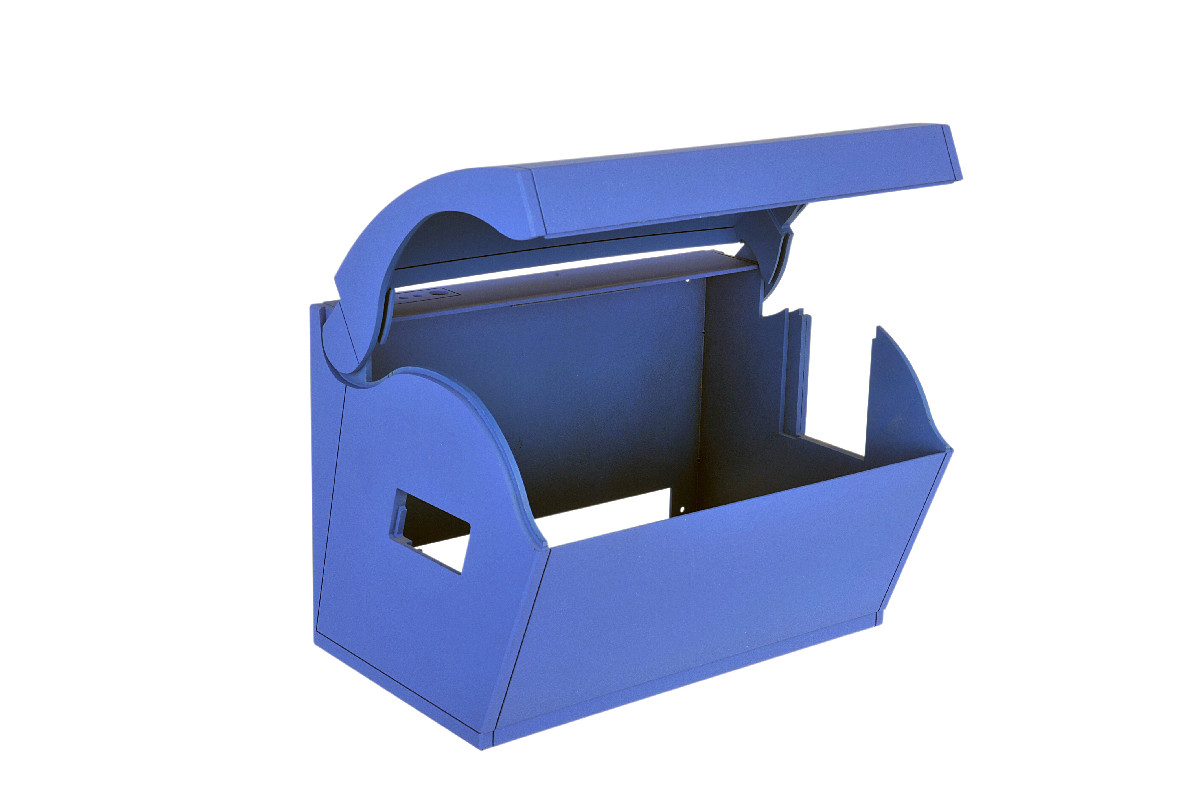
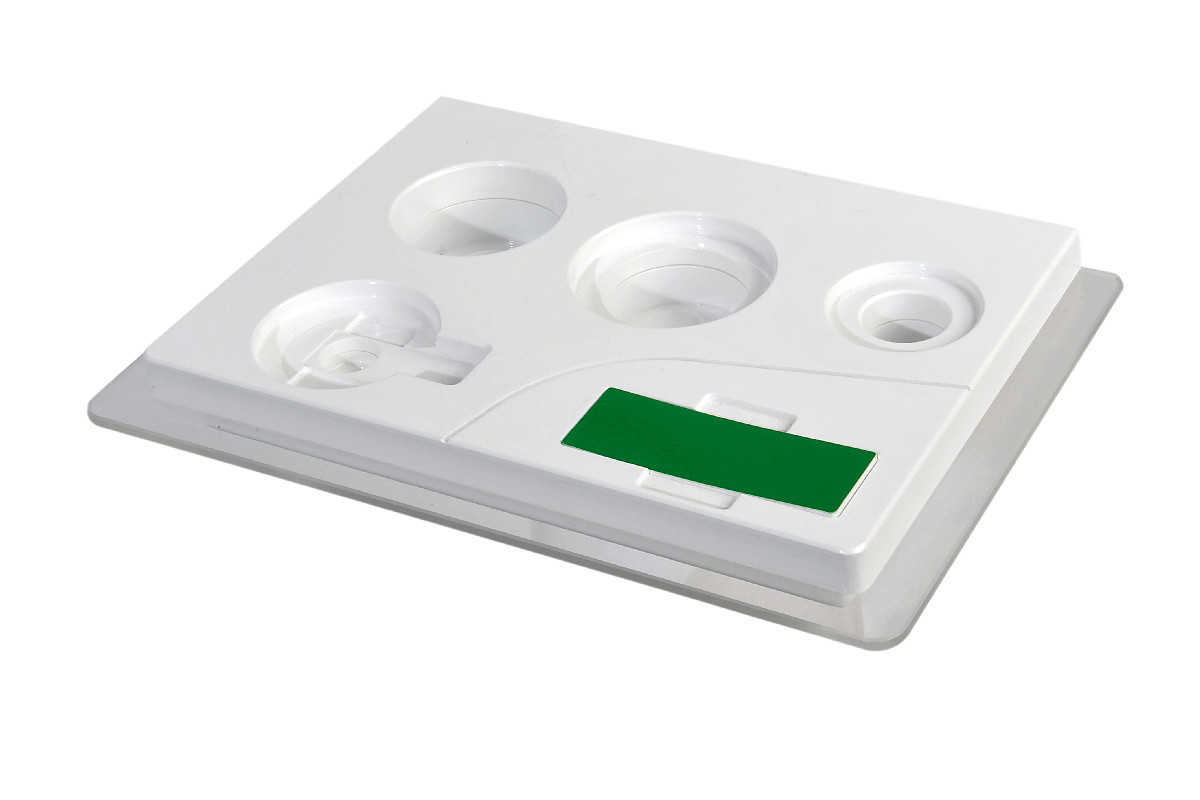
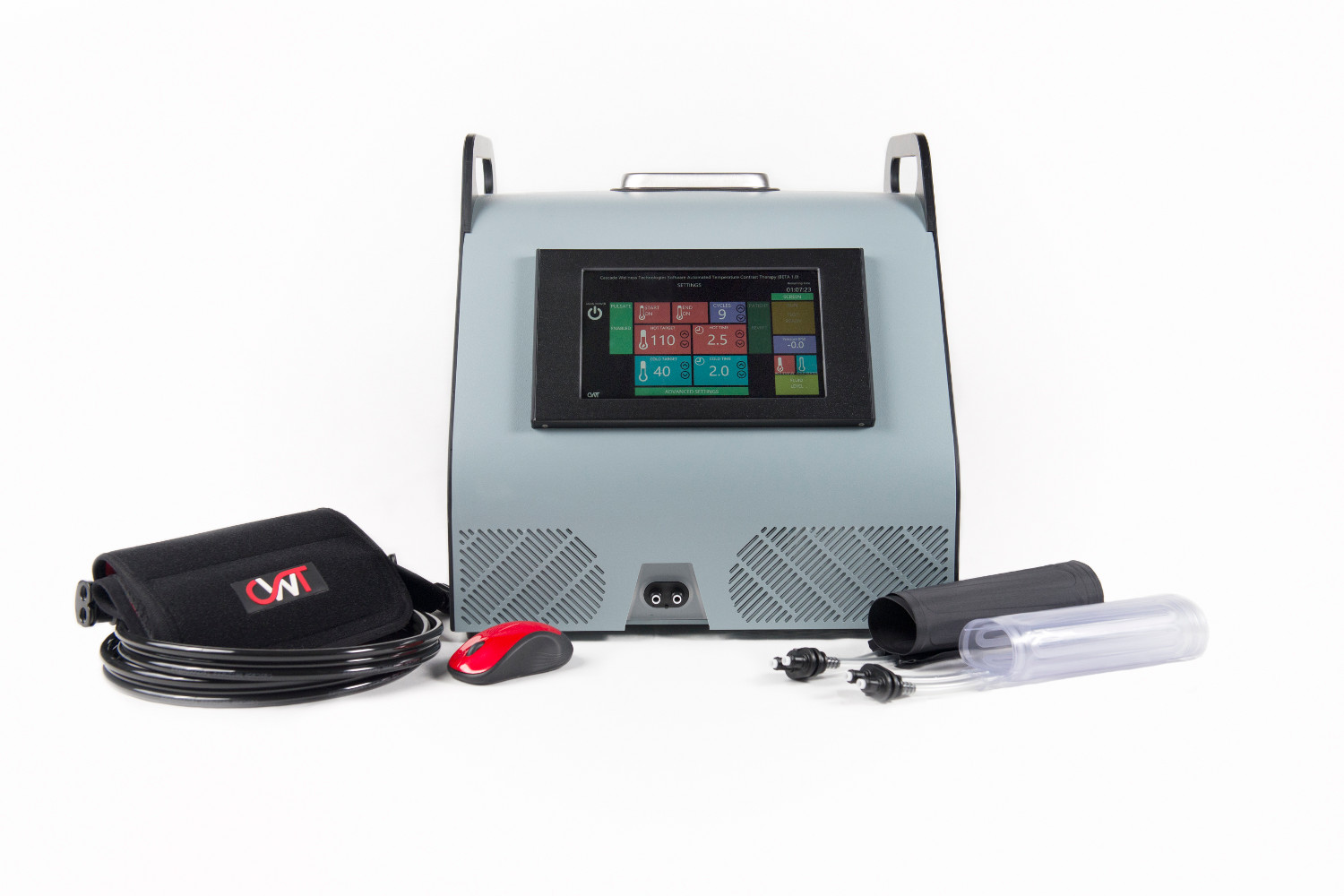
A packaging machine builder may ship thirty machines a year, and no two are quite alike: a larger HMI on one, a left-hand operator side on the next, legends in Spanish, the end customer’s color. Each machine needs a handful of plastic housings, so the yearly demand for any one housing is small and split across variants. That is the volume pattern a no-tooling process was built for.
This post works through one described scenario, a builder of about 30 cartoners a year, and shows how to set up variants, releases and spares so the housings never hold up a build.
Why molds and modified stock boxes both fit badly
Take one housing, the operator panel. Thirty machines a year, three HMI options and two operator sides give about 30 panels a year split across six variants, on average five of each. A mold takes at least eight weeks to build and will not pay for itself at five parts per variant per year, and each variant would need its own insert or tool.
A stock box modified in your own shop avoids the tooling but moves the cost onto your floor. Someone lays out and cuts every opening by hand, each machine comes out slightly different, and the legends are stickers. On a capital machine, that panel is the part the end customer’s operators look at every shift.
One program per variant, not one tool per variant
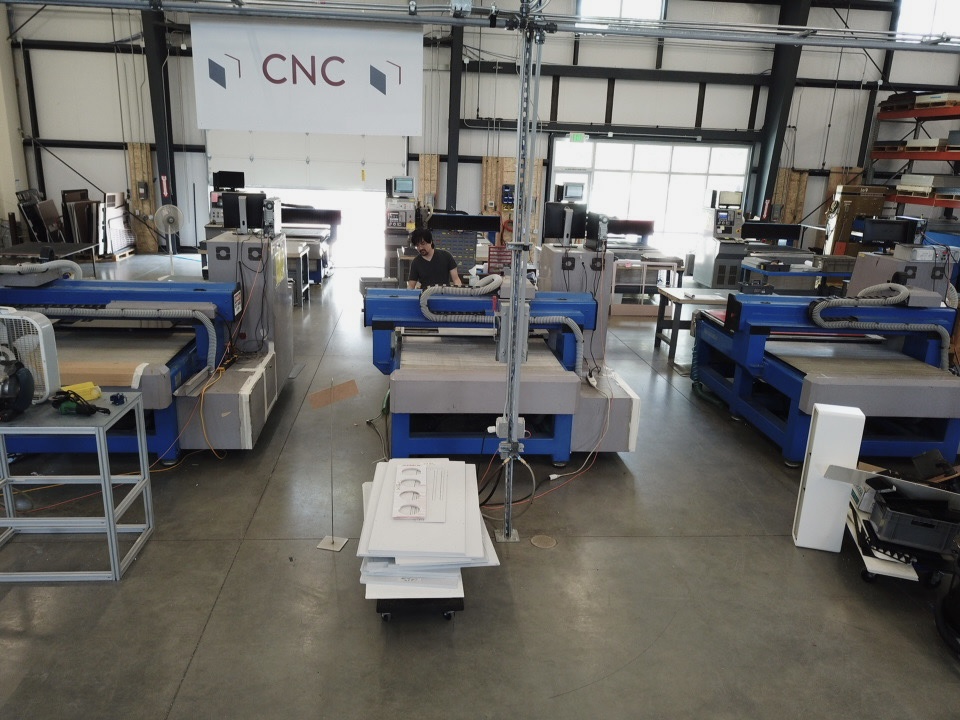
In our process the only “tooling” is a CNC program and a print file. Each variant of a housing is a revision of the same model: the HMI window and its mounting holes change, the push-button pattern changes, the legend artwork changes. Nothing physical is made or stored for a variant, so a variant that sells once a year carries no tooling cost to keep available.
Here is how the usual variants on a packaging machine translate:
| Variant | What changes | Effect on cost and lead time |
|---|---|---|
| HMI size (two screen options) | Window cutout and mounting holes in the front panel | A separate program revision; no tooling |
| Push-button count or layout | Hole pattern and printed legends | Program and artwork edit |
| Legend language | Print artwork only | No machining change |
| Left- or right-hand operator side | Panel mirrored, cable entry moved | A separate revision of the flat pattern |
| End customer’s color | Sheet color or paint | Stock colors carry no premium; paint adds an operation; a sheet color match needs around 2,000 lb of material |
Set the variants up as a family: one base part number, a suffix per variant and a revision letter that follows the program. When a sales order is configured, it selects the suffix, and nothing has to be designed.
The color line deserves a second look. A 4 by 6 ft sheet of 3 mm ABS weighs roughly 15 lb, so a 2,000 lb color match is on the order of 130 sheets. For a builder using a sheet or two per machine, that is years of material. Paint, or a printed color band on stock grey, is usually the better answer.
Releases that follow the build schedule
A machine builder does not want a year of housings on the shelf, and does not want to wait for them either. A blanket order covers 10 to 10,000 units at volume pricing, with releases on a schedule you set, such as monthly or quarterly. Each release ships three weeks after its purchase order, and a re-order agreement gives repeat orders priority over new work.
Plan backward from the build. If the electrical fit-out of a machine starts in week 10, release its housings by week 6, which leaves a week for transit and slack. Group variants into releases where you can, because an order of one or two units carries a setup charge. Releasing next quarter’s left-hand panels together costs less than ordering them machine by machine.
Changes fit the same rhythm. An engineering change between releases is a program edit, and simple changes can be made during a run, so the next release carries the new revision without scrapping anything. See how design changes are handled.
Spares, retrofits and the installed base
Packaging machines stay in service for many years, and a cracked cover or a panel damaged during a changeover becomes a spare-parts order long after the last build. We do not stock finished enclosures; every order is made fresh from the program. A spare cut years later therefore comes off the same program and material specification as the original, and it matches to ±0.2 mm on the flat pattern.
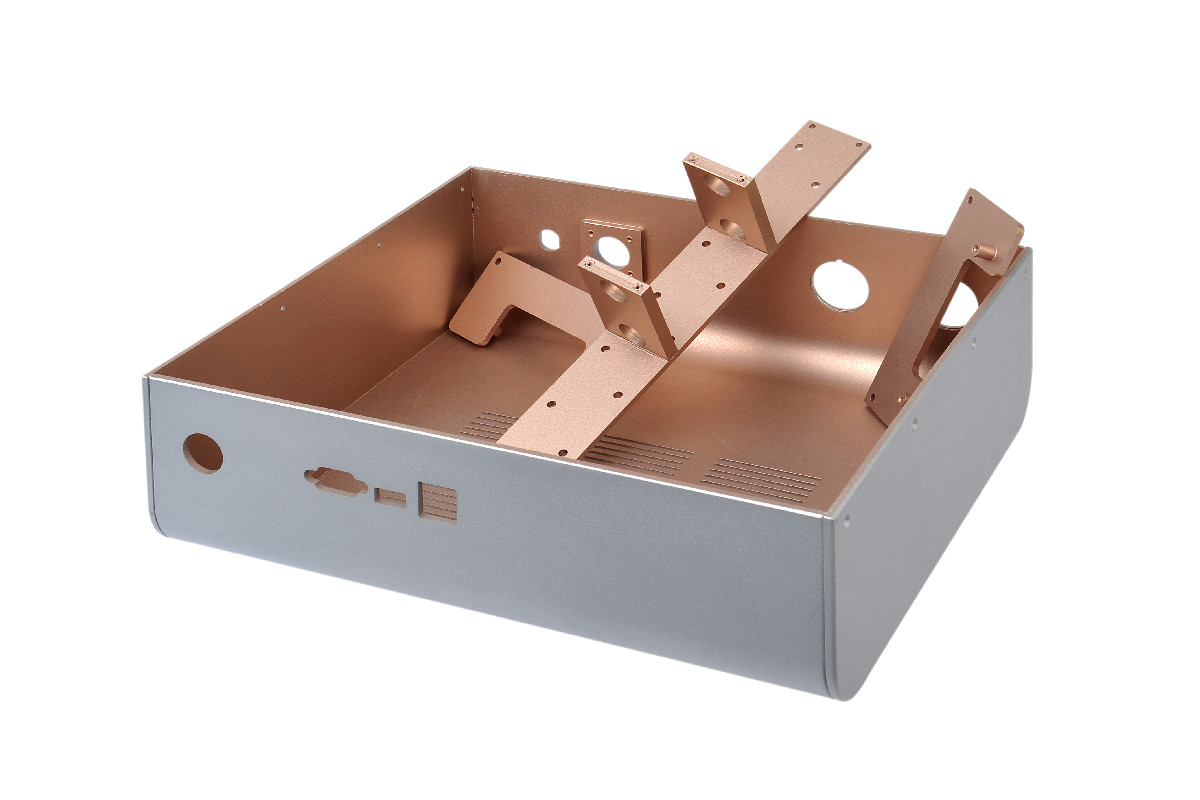
It also means a spare is not instant. Order spares on the normal lead time, add a few to each production release, or keep a small stock of the covers that get damaged most. For retrofits, when an HMI model is discontinued and the installed base needs a new screen, the new cutout is another program revision. Keep the old revision active in your parts list for machines that keep the original screen.
What to send to set up a housing family
- A 3D model of the housing, or of what goes inside it, in STEP, IGES, SAT, SolidWorks, STL or DXF. A dimensioned sketch is enough for our engineers to model from.
- The variant list: which features change between machines and which stay fixed.
- Legend artwork and the languages you ship.
- Material, and any flame rating your electrical design calls for.
- A forecast by quarter, so releases can be scheduled.
- Your spares commitment: how many years, and which parts wear or break.
We return a 3D model in your CAD format for approval and for your machine assembly, and once the prototype is purchased the design belongs to you. The economics behind this are on our low-volume manufacturing page; where plastic belongs on the machine in the first place is covered in plastic enclosures on packaging machinery.
To price a housing family, send the model, the variant list and a yearly quantity through our quote request. You will have a quote within 48 hours.