An assembler choosing a housing for a board has three routes: buy a catalog box and machine it, start from a pre-designed box resized to the board, or design the housing from scratch. Each is the right answer somewhere. This guide sets out what each route gives you and the five criteria that decide between them: board fit, cutout count, quantity, branding and schedule.
Three routes to a housing
Catalog box
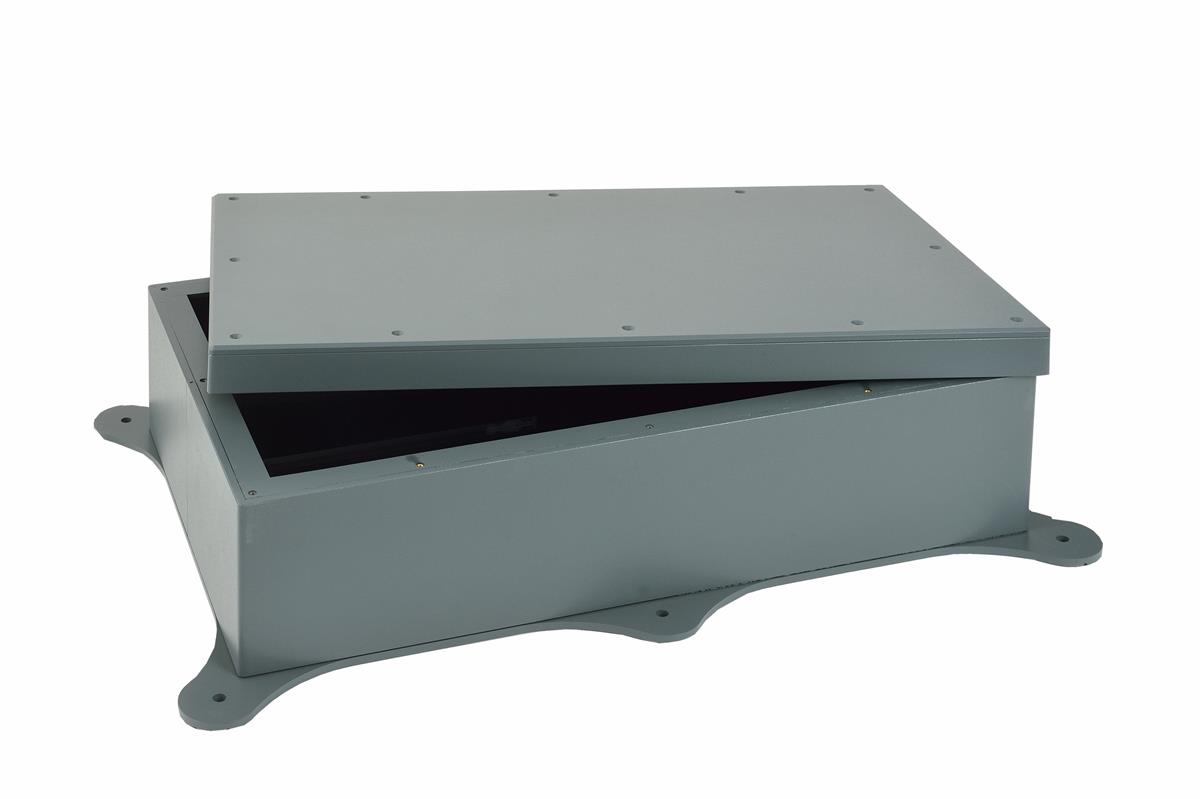
A molded plastic box from a distributor’s catalog, in fixed sizes with a fixed pattern of internal bosses or card guides. You buy it blank and add the openings yourself or through a machine shop. It is inexpensive, usually in stock, and often available with a gasket and a stated IP rating.
Resized standard: C Box and U Box
Our standard enclosures are proven constructions built to your dimensions rather than to a size chart. The C Box is two C-shaped halves that snap together over the board and is the most economical housing we make. The U Box has four pieces, a U-shaped body, a cover and two end panels, and suits long, narrow or deep boards. Either one gets machined openings, bosses or board slots, windows and printing from the CNC program.
You can size one yourself in the Product Designer: choose C Box or U Box, enter length, width, height, sheet thickness and color, download a STEP or IGES model and send it back with your cutout notes. For an instant price on a standard enclosure, our sister platform ElectroniCase quotes online.
Fully custom
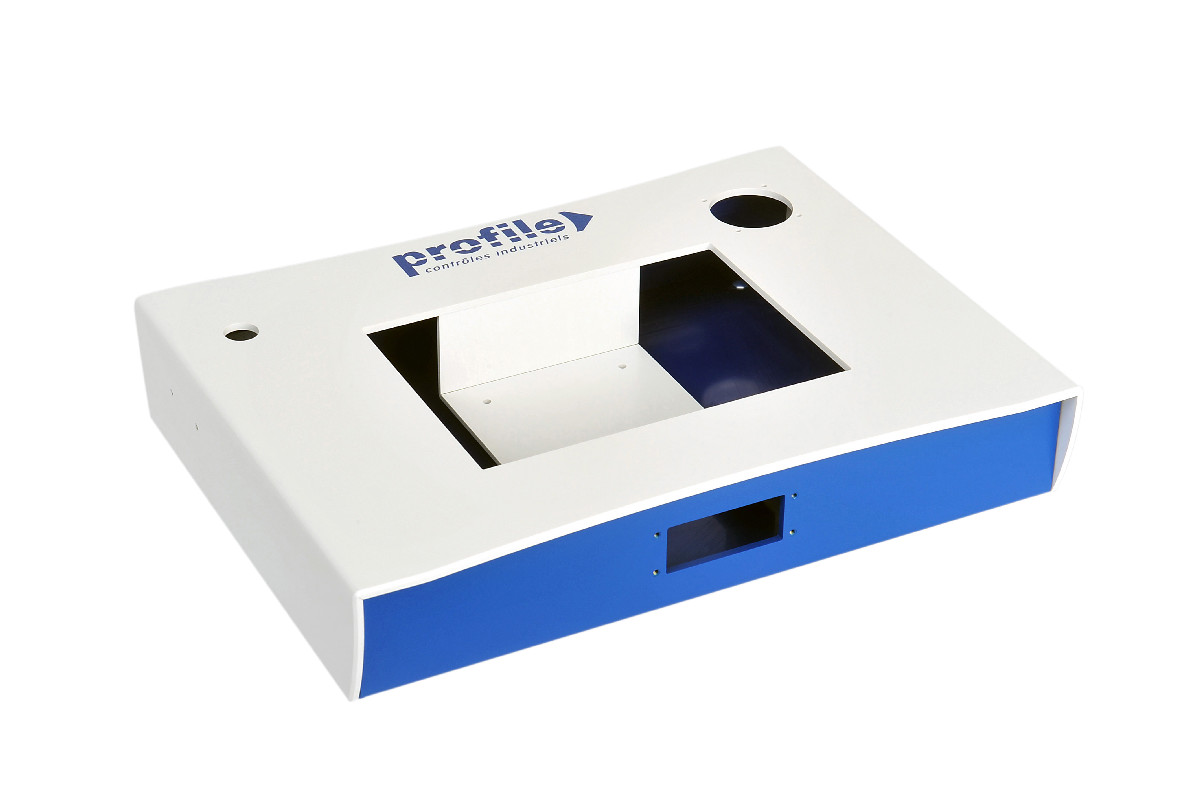
A custom plastic housing is designed around the product: a sloped or curved front, two-tone panels, more than one board, a display, a battery door, mounting flanges. Our engineers model it in SolidWorks from your board model or a sketch, and you approve the 3D model before anything is cut.
Board fit
A catalog box makes the board fit the box. A board laid out first rarely matches the box’s boss pattern, so you add adhesive standoffs, a carrier plate or a board outline change. Each of those is a part or an assembly step that exists only to adapt the box.
A C Box or U Box is sized to the board outline and holds it on bosses at the board’s own hole positions or in grooves machined into the walls. A fully custom housing goes further: several boards at different heights, a display at an angle, a battery compartment. If the assembly is one board with connectors on one or two edges, a resized standard usually covers it. A second board, a display or anything that is not a flat rectangle makes it a custom job.
Cutout count and repeatability
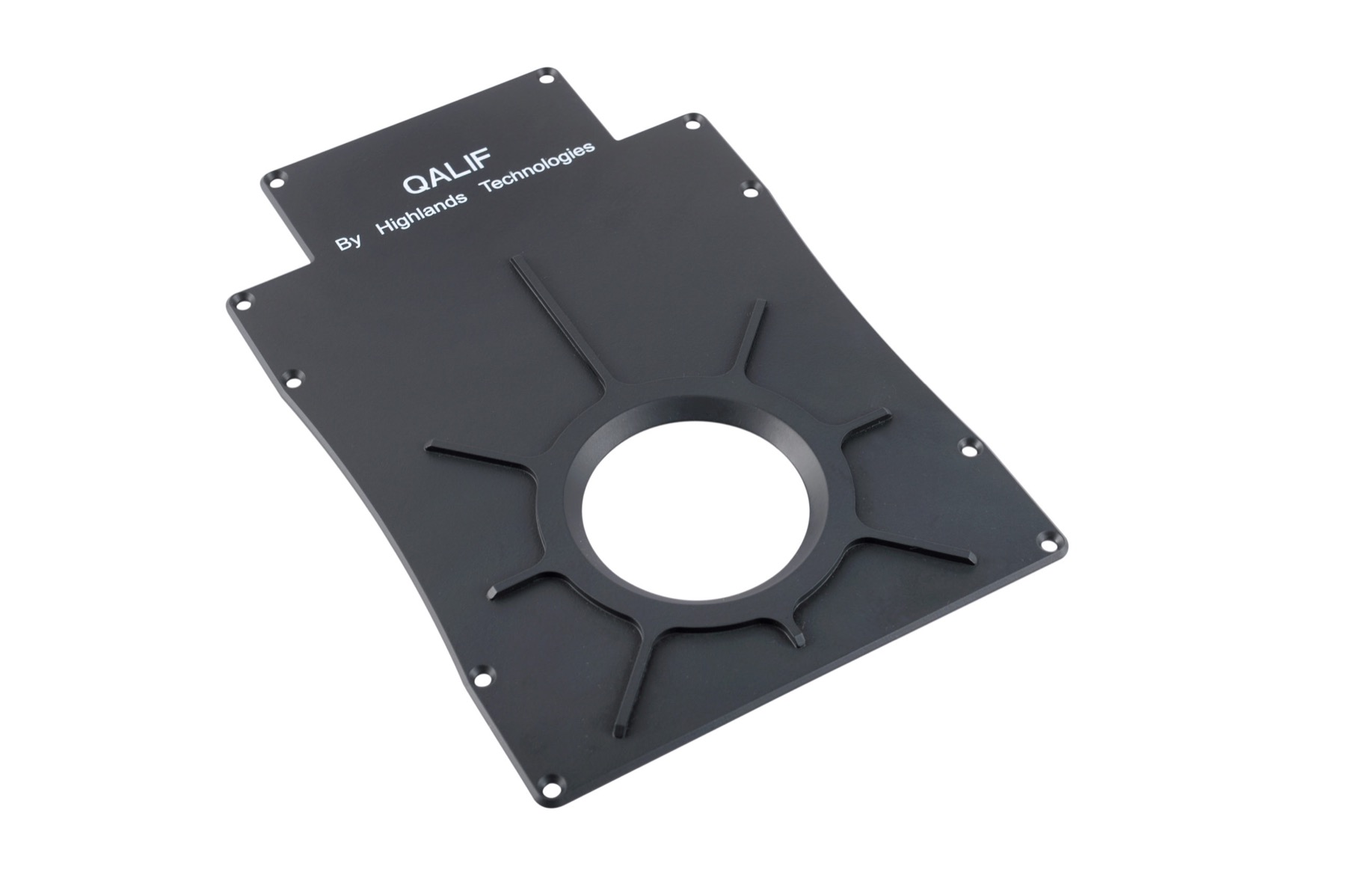
On a catalog box every opening is a secondary operation on every unit. Drilled, punched or filed openings vary from box to box, and the low purchase price is spent again in labor as the opening count rises. On a C Box, U Box or custom housing, the openings are machined into the flat sheet from the program, to ±0.2 mm, before the panel is bent. Unit 200 matches unit 1, and a dozen openings cost machine time rather than hand work.
If your line is drilling, filing or punching openings by hand on every unit, price the catalog box plus that labor, the fixture and the rejects against a resized standard, not the catalog box alone.
Quantity
For a handful of units with a few openings, a catalog box is hard to beat: you can buy it today. We have no minimum order, but one or two units carry a setup charge, so a single custom box costs more than a catalog box and a drill.
From around 100 units the comparison changes. Our process is most economical between 100 and 10,000 units, there is no mold to amortize, and the C Box is the lowest-cost route within that range. A fully custom housing includes its engineering in the prototype price and then runs on the same terms. For repeat builds, a blanket order covers 10 to 10,000 units with scheduled releases.
Branding and finish
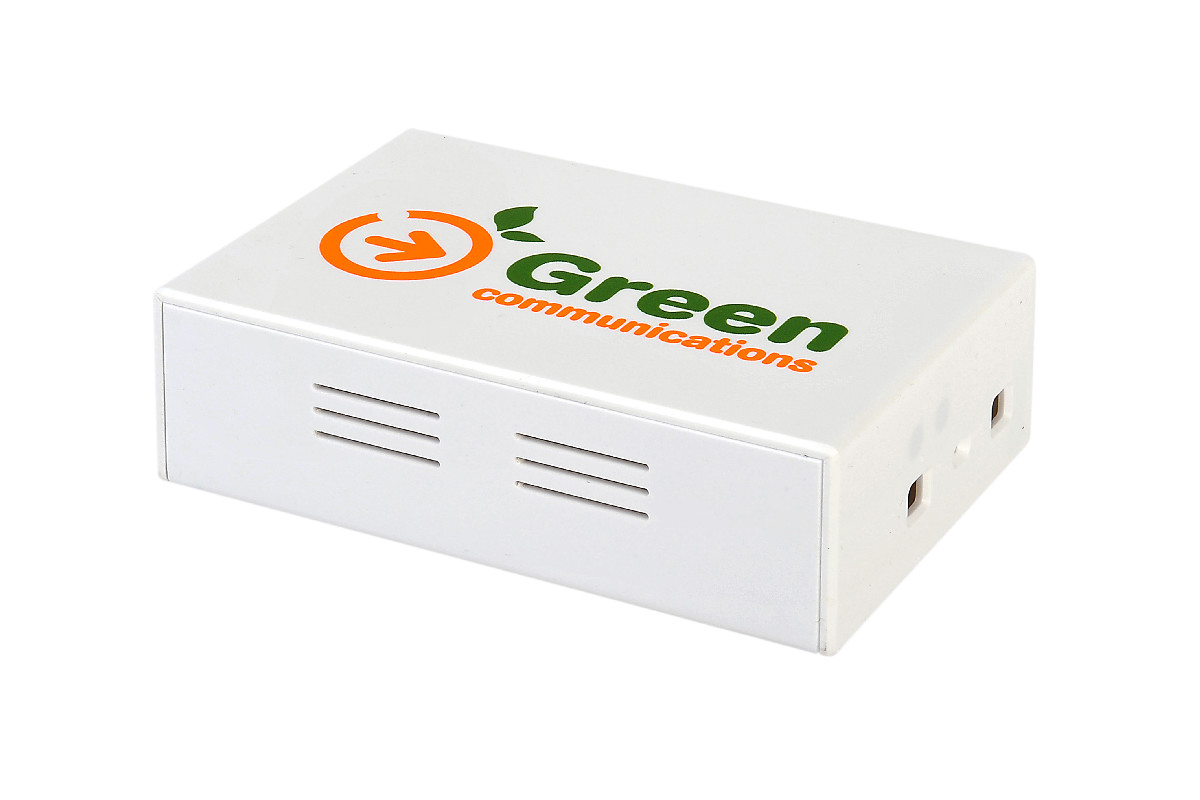
A catalog box comes in the colors the catalog lists, and branding means a label or an overlay applied on your line. With a resized standard or a custom housing, the sheet is pre-colored (stock ABS in white, black, light grey or dark grey), panels can be mixed for two tones, and logos and port legends are UV-printed or engraved on the part. A custom color needs around 2,000 lb of sheet, so it belongs to volume programs. A custom housing adds shape as well: a curved top, a sloped front, a recessed display window.
If the product carries your customer’s brand and sits in front of their customers, branding often settles the question by itself.
Schedule
Catalog boxes ship from stock, and if the machining is simple you can have finished housings in days. Of our routes, a C Box or U Box is the fastest because the construction is already programmed; only the size, openings and printing change. A fully custom housing needs model approval first, then a prototype in 3 to 21 working days depending on complexity. Production on either route runs three weeks after PO.
The decision in one table
| Criterion | Catalog box | C Box or U Box | Fully custom |
|---|---|---|---|
| Board fit | Board adapts to the box | Box sized to the board; bosses or slots | Any layout: several boards, display, battery |
| Openings | Drilled or punched on each unit | CNC-machined, ±0.2 mm | CNC-machined, ±0.2 mm |
| Best fit by quantity | Prototypes and one-offs with few openings | No minimum; most economical 100 to 10,000 | No minimum; most economical 100 to 10,000 |
| Branding | Labels or overlays | Stock colors, two-tone, UV printing, engraving | All of those, plus curved and sloped shapes |
| Lead time | From stock, plus your machining | Fastest of our routes | Model approval, then 3 to 21 working days |
| Design change | Rework or a different box | Program edit | Program edit |
One case stays with the catalog: a unit that must be sealed to a stated IP rating in low quantity. A gasketed catalog box that already carries the rating is often the simpler buy, provided the connectors you add are sealed too, because every opening you cut is a new leak path. A fabricated housing would need its seal designed and tested for that product.
If you are weighing two routes, send the board and your quantities and choose “Pre-designed C Box / U Box” or “Custom enclosure” on the form. An engineer replies within one business day with options for both.