On most box builds the board gets the scheduling attention: PCB fabrication, component lead times, the SMT slot. The housing is the item that surprises a program, because a molded housing cannot ship until its mold exists, and building a mold takes at least eight weeks. This post sets out where the housing sits in the schedule, how a no-tooling housing changes that, and how to plan releases and engineering changes so the enclosure is never the reason a build waits.
Where the housing sits on the critical path
With an injection-molded housing, the sequence is design freeze, mold build, sample parts, corrections, then production. The design has to be frozen before the tool is cut, and a change after that means mold rework. If the board is still moving, the housing either waits for it or is built around a guess.
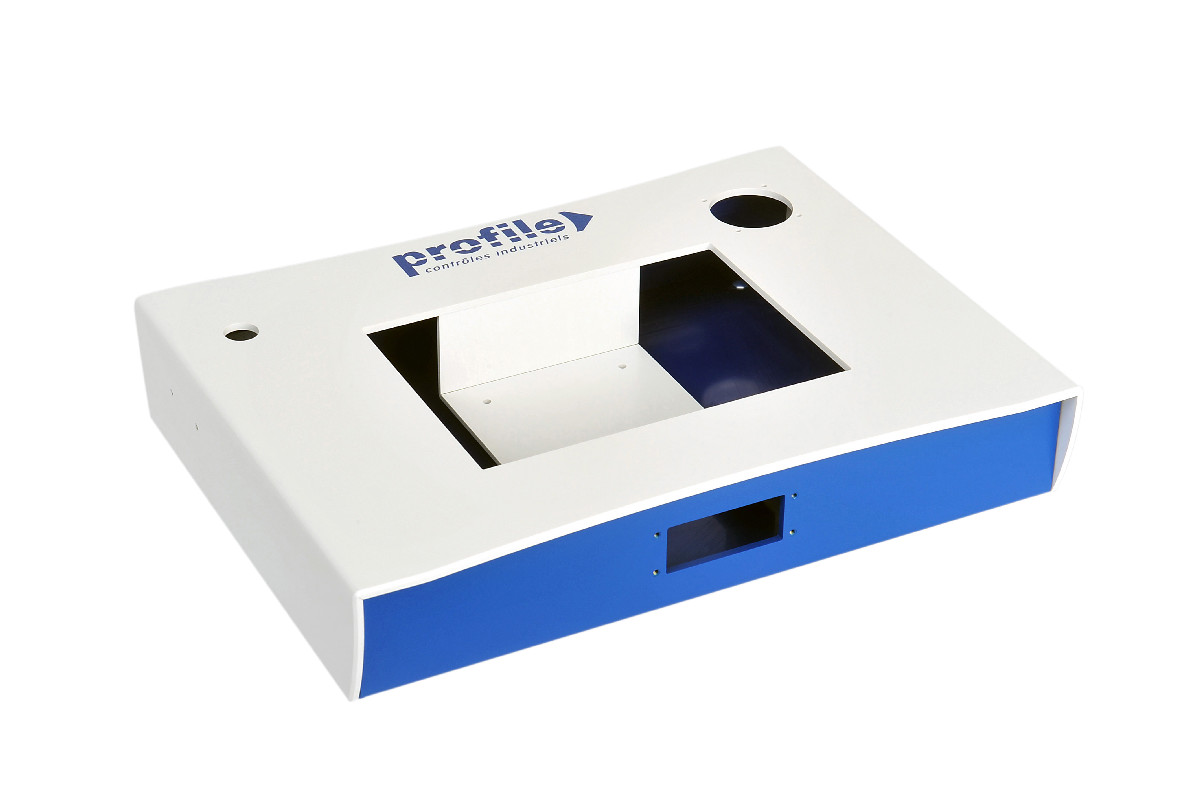
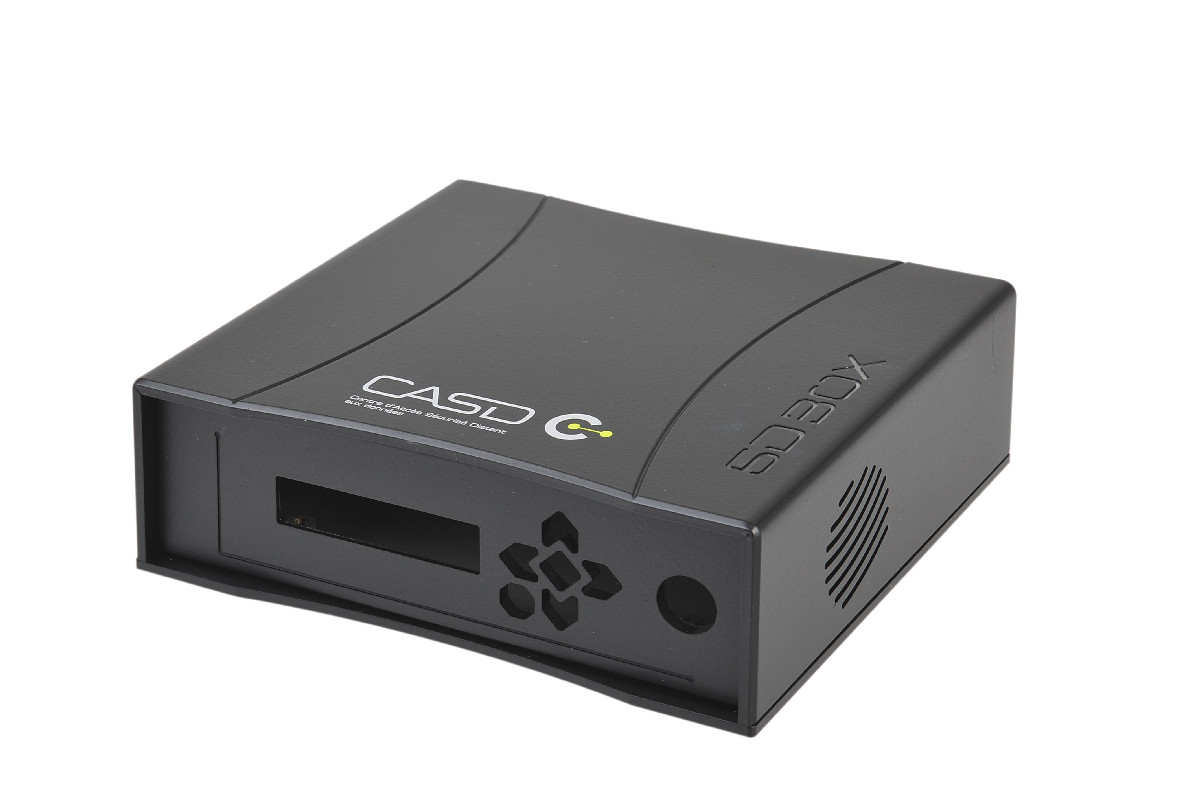
A fabricated housing removes the mold step. It is machined from flat sheet, bent and solvent bonded from a CNC program, so the first unit depends only on an approved model. The comparison with injection molding covers cost; for scheduling, these are the differences that matter:
| Stage | Injection-molded housing | Fabricated housing |
|---|---|---|
| Before the first part | Mold build, at least 8 weeks | 3D model approval, then 3 to 21 working days |
| Design freeze | Before the mold is cut | Before each release |
| First article | Samples from the finished mold | The prototype, cut on the production program |
| Production lead time | Set by the molder | Three weeks after each PO |
| Economic run | Thousands of parts | 100 to 10,000, no minimum |
| Change mid-program | Mold rework or a new mold | Program edit, frequently no charge |
The practical effect is that the housing comes off the critical path and runs in parallel with board fabrication. The rest of this post is about keeping it there.
Start the housing when connector placement is fixed
You do not need finished boards to start. Once the layout has fixed the connector positions, mounting holes and tallest component, a STEP export of the board is enough for us to model the housing. An engineer replies within one business day, the quote follows within 48 hours, and the first 3D model for approval takes a few days after the order. The 3 to 21 working days for the prototype run from that approval.
Plan backwards from the date your first boards come off the line. If the prototype housing arrives that week, you test-fit real assemblies instead of finding a connector clash on the production floor. If the boards are late, the housing waits on your shelf rather than the other way round.
Treat the prototype as the first article
A fabricated prototype is not a stand-in for the production part. It is cut on the same program, from the same sheet, with the same inserts and printing, which makes it the housing’s first article. Inspect it against the approved model, fit it with boards and cables, and sign it off. Every later unit is cut from that program and matches the prototype to ±0.2 mm on the flat pattern, whether the release is next month or next year. The prototyping page lists what a prototype includes.
This holds only if production stays on the same process. If the plan is to mold the housing later, a fabricated prototype proves function but not the form and fit of the molded part, and the program will need a new first article when the tool arrives.
Match blanket releases to the build plan
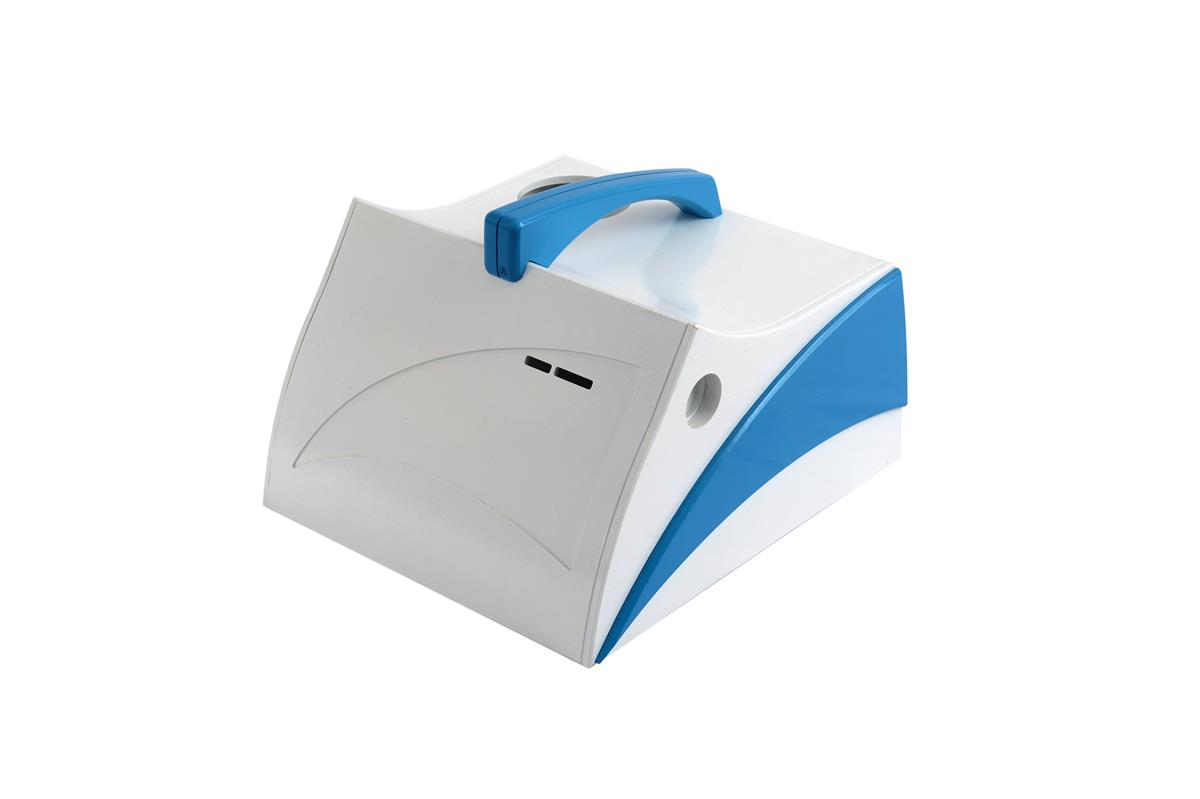
Once the prototype is approved, buy the housing the way you buy other long-running parts. A blanket order covers 10 to 10,000 units at volume pricing, with releases scheduled monthly, quarterly or on whatever cadence your build plan sets. Each release ships three weeks after its PO, so set the release date at your kit date minus three weeks minus transit.
Two other ways to order suit different demand. A single large order works when quantity and date are both certain. A re-order agreement suits demand you cannot forecast: you order as needed, and repeats get shorter lead times and priority over new orders. Either way you size each release to the boards you will build, rather than holding a year of housings for a product that may change.
Handle an ECO without stopping the line
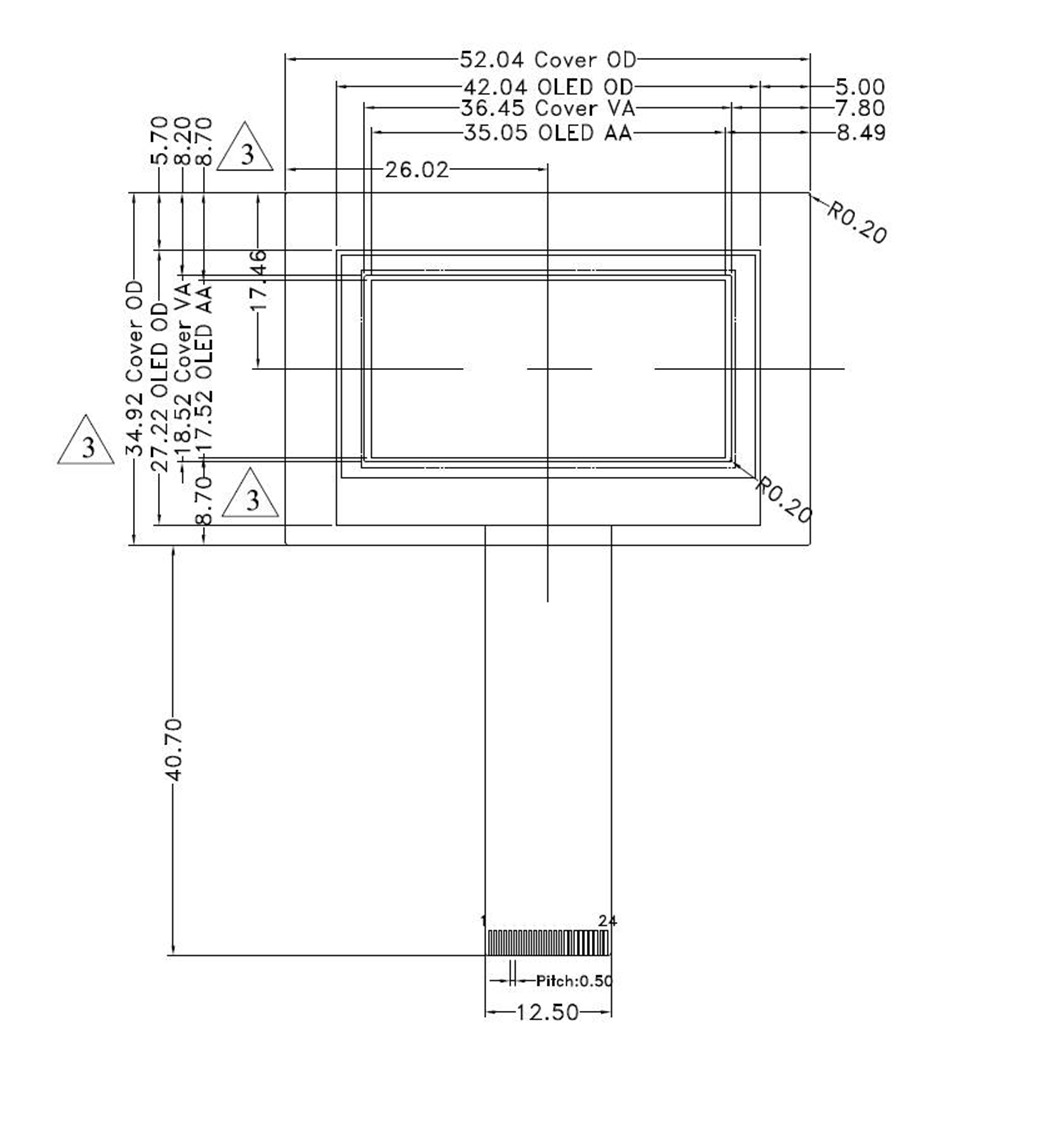
Boards get revised mid-program: a connector moves, a second USB port appears, a display supplier changes its outline. On a molded housing that is tool work with its own lead time. On a fabricated one it is a program edit. Simple changes are made on the fly, in some cases during a production run, and frequently at no charge; the design change page shows how typical requests are handled.
The scheduling work is effectivity. When you send the ECO, tell us:
- The new housing revision and the board revision it pairs with.
- Which release or quantity takes the change, and whether open releases convert or ship as ordered.
- Who approves the updated 3D model and by when, because cutting waits for that approval.
- Whether the previous revision is still needed for service spares.
When a mold is the better schedule
A no-tooling housing is not always the right plan. For a stable design that runs in thousands per release, injection molding takes over: past roughly a thousand pieces per run, the cost of the mold and its eight-week build start to pay back. Many of our customers use the fabricated housing as a bridge first, running several revisions of 500 units while the design settles and releasing tooling once it stops changing.
If you take that route, start the mold once the fabricated housing has gone through a release without changes, and keep fabricated releases running until the molded first article is approved. The housing then stays off the critical path through the switch as well.
To put a housing into your next build plan, request a quote with the board model, the first build date and your expected releases. An engineer replies within one business day with options and pricing.