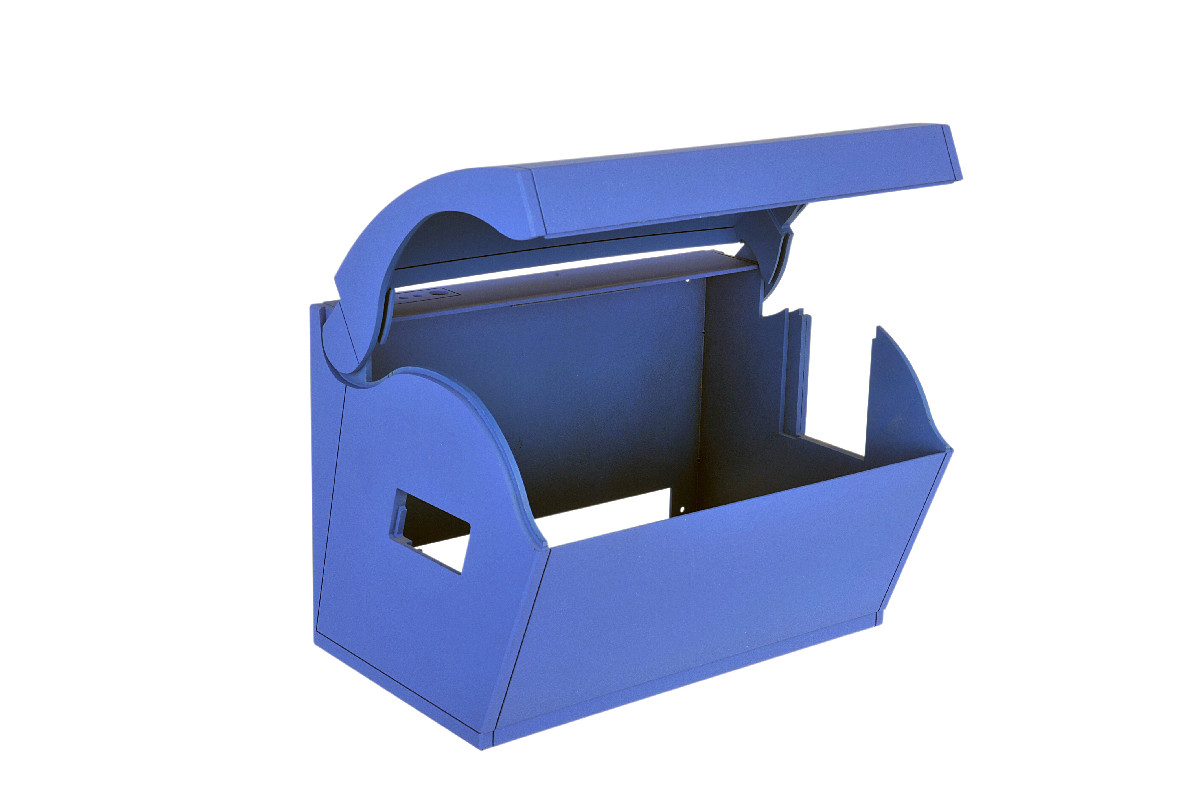
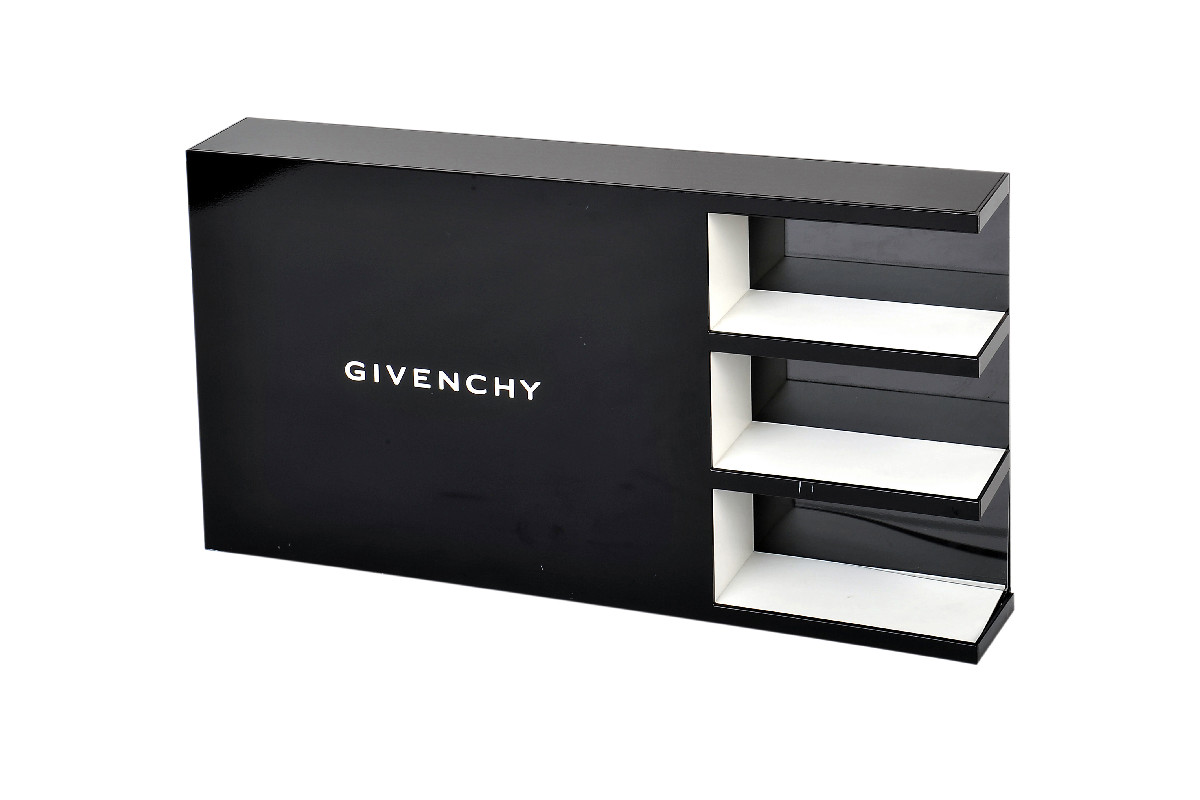
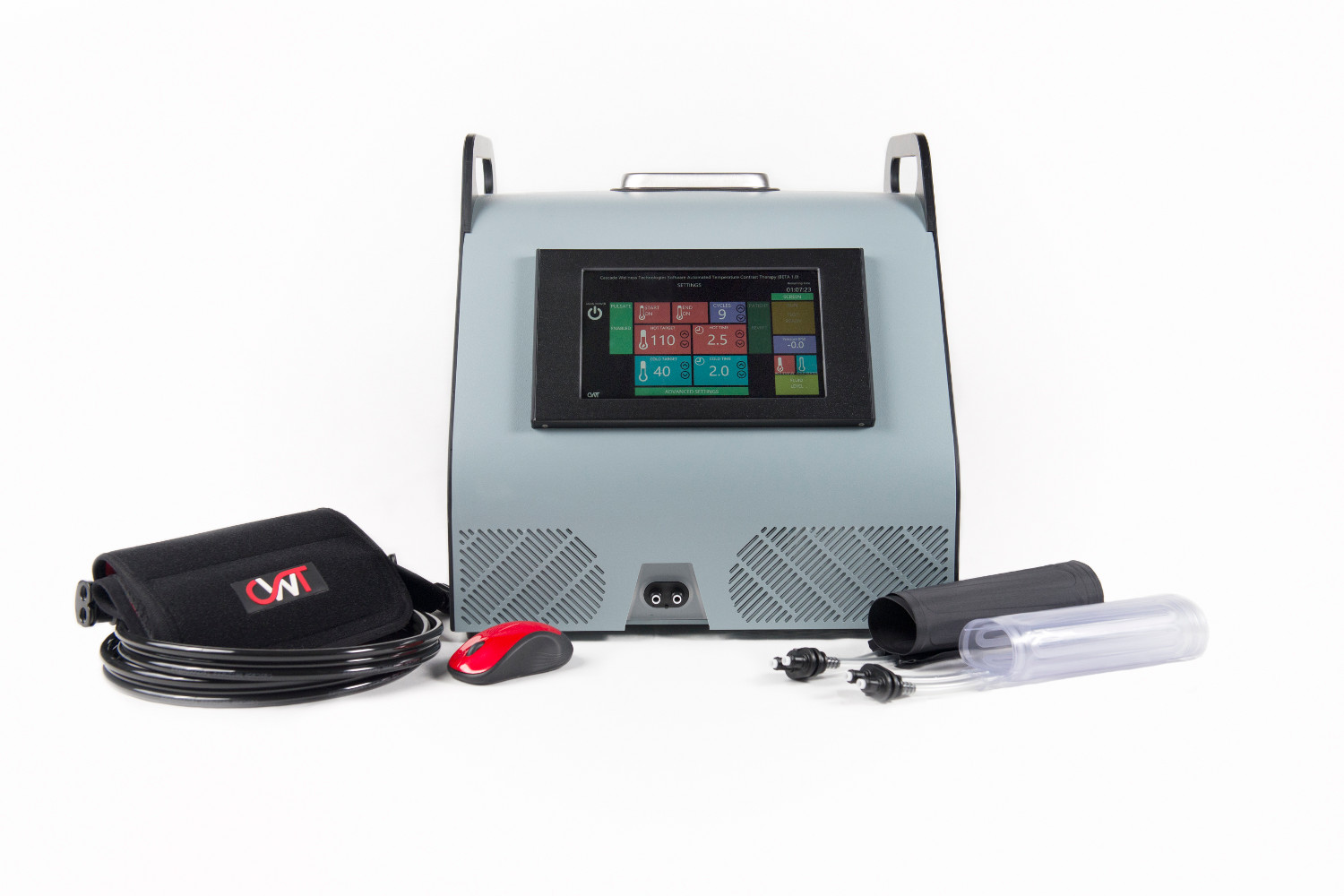
On a packaging line, plastic enclosures belong on the parts of the machine that people read, touch and open, and away from the parts that get washed down or run hot. This post maps where a fabricated plastic housing is the better choice on fillers, cappers, labelers, cartoners and case packers, and where a metal or washdown-rated design is still the right answer.
A note on scope: Toolless makes enclosures, panels and covers for the machines. We do not make packaging such as trays, clamshells or blisters, and we do not make metal enclosures.
Where plastic housings fit on a packaging machine
Most of a packaging machine is metal frame, guarding and drive hardware, and most of its electrical equipment sits in a metal control cabinet. Plastic earns its place in the smaller, distributed housings around that core:
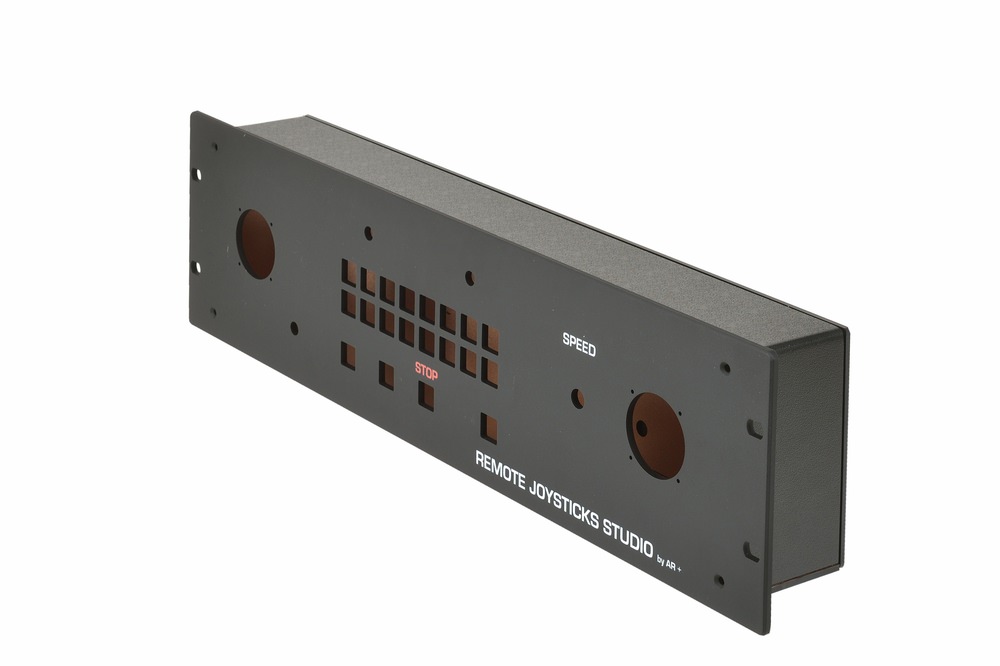
- Operator panels and HMI housings on dry-zone machines such as cartoners, case packers and labelers: a touchscreen, an e-stop, a few illuminated push buttons and their legends.
- Controller and sensor housings: the box for a label printer’s controller, a vision-lighting driver, a checkweigher display or a junction for sensor cables.
- Covers over belts, small drives and electrical boxes outside the product zone, which operators lift several times a shift.
- Clear viewing panels in polycarbonate or acrylic, where an operator needs to watch a mechanism without opening it.
What plastic does better than metal there
Legends and color that stay put
Operator panels carry legends: button functions, warning symbols, sometimes two languages. On a fabricated plastic panel they are printed in full color directly on the flat sheet, in register with the cutouts, before any bend is made. Digital UV printing adheres better than silk screen and needs no screens, so a legend change is a new artwork file. Where a legend must outlast years of wiping, engraving cuts it into the surface.
Color comes from the sheet. Stock ABS in white, black, light grey and dark grey carries no premium, so giving each module or operator station its own stock color adds no material cost. A machine builder’s corporate color can be painted, or matched in the sheet on a program large enough to use around 2,000 lb of material.
Insulation and radio transparency
A plastic housing is not an exposed conductive part. A damaged cable inside cannot make the enclosure wall live, which matters on a panel operators touch all day. Metal hardware mounted through that wall is still a question for your electrical designer under NFPA 79 or IEC 60204-1.
Plastic also passes radio signals. RFID readers, wireless sensors and Wi-Fi or Bluetooth service modules work through a plastic wall, where a metal box would need an external antenna. When a housing does need shielding, a conductive coating goes on the inside as a secondary operation, and it should stop short of the area in front of any antenna.
Weight where people lift it
ABS weighs about one-seventh as much as steel for the same volume, so even at two or three times the wall thickness a plastic cover is the lighter part. A cover opened several times a shift, or a panel on a swing arm, is easier to handle, and its hinges and latches carry less load.
Where metal or washdown design is still the answer
- Washdown and product-contact zones. Food, dairy and meat lines cleaned with hot water at pressure and with caustic or acid chemicals need hygienic design: sloped tops, no crevices, continuous sealed seams, and an IP69K rating where high-pressure washdown is specified, usually in stainless. Our housings have bonded tongue-and-groove joints and visible seams. That is not hygienic-design construction, and it is the wrong choice for a washdown zone.
- Hot zones. ABS softens well below the operating temperature of heat-sealing jaws or the air inside a shrink tunnel. Keep plastic housings out of the heat path.
- Structural guards. A guard that must contain a part thrown from a failed mechanism, or that carries a door on its own frame, belongs in the machine’s metal framing. A clear plastic panel can sit in that frame, but its material, thickness and fixing are part of the machine builder’s risk assessment, not ours.
- The main control cabinet. Drives, power supplies and PLCs need the size, heat dissipation and catalog accessories of a standard metal cabinet. Plastic is the better choice for the small housings around it.
A zone-by-zone map
| Location on the machine | Typical housing | Fabricated plastic? | Deciding factor |
|---|---|---|---|
| Operator station, dry zone | HMI housing, push-button panel | Yes | Printed legends, window, light weight |
| Controls away from the product | Printer controller, sensor junction, display box | Yes | Insulation, RF transparency, service inserts |
| Access covers outside the product zone | Belt and drive covers, electrical box lids | Yes | Weight, printed warnings, color |
| Viewing windows in a guarded frame | Clear panels | Often | Builder specifies material and fixing |
| Splash or light wipe-down | Panels near the product | Case by case | Cleaning chemicals, gasketing, seam location |
| High-pressure washdown, product contact | Anything wet | No | Hygienic stainless design |
| Near sealing jaws or a shrink tunnel | Anything in the heat path | No | Temperature |
| Main electrical cabinet | Drives, PLC, power | Usually no | Size, heat, standard cabinet accessories |
Materials for dry-zone housings
General-purpose ABS in 3, 4, 6 or 8 mm covers most panels and covers. When your electrical design calls for UL 94 V-0, we stock Royalite flame-retardant ABS and Boltaron 4335, an acrylic/PVC alloy with good chemical and abrasion resistance. For clear parts, polycarbonate is the impact-resistant choice and acrylic the usual window material; polycarbonate does not solvent bond, so it is held by a bezel or fasteners. The materials page lists grades, colors and data sheets.
Check every plastic against the cleaning chemicals actually used on the line, not a generic resistance chart. Polycarbonate in particular is attacked by some solvents and alkaline cleaners. Wipe a sample panel with the real product for a few weeks before you release the design.
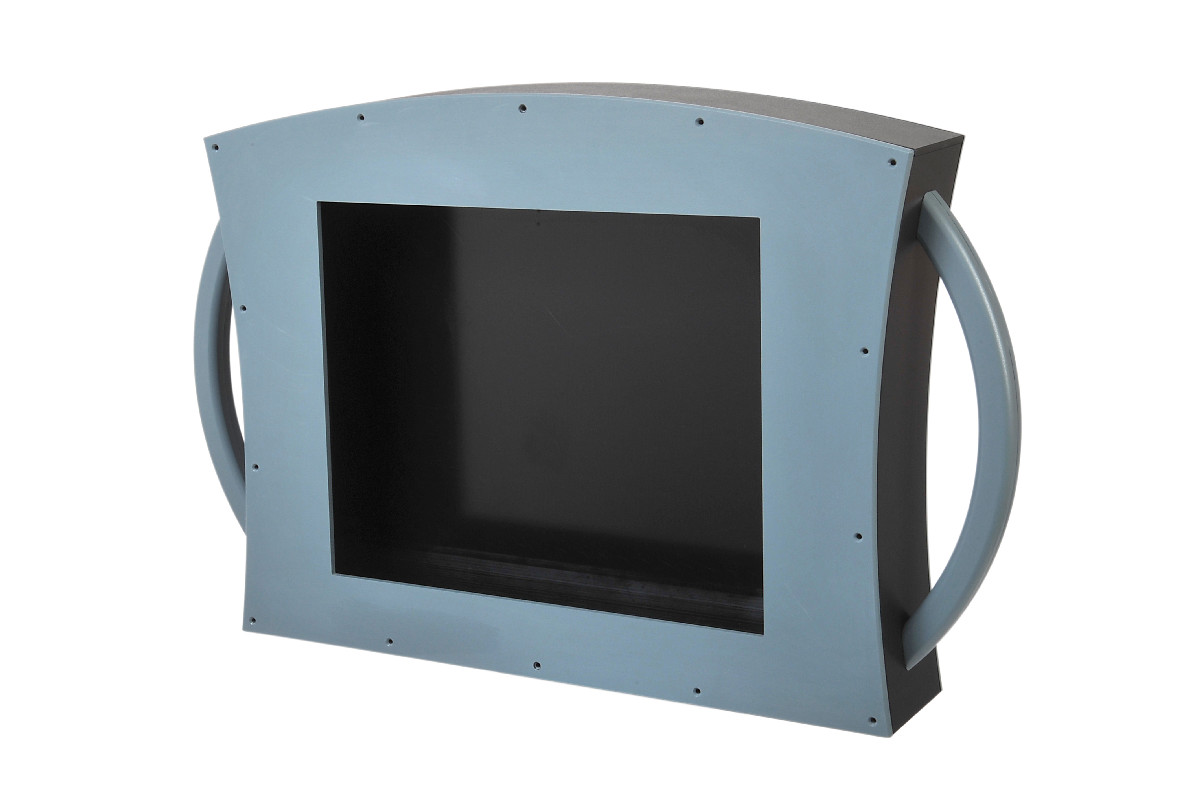
For the housings themselves, our electrical and control enclosures page shows the mounting, door and vent options, and low-volume enclosures for packaging machine builders covers variants, releases and spares.
If you have a panel or controller housing in mind for a dry zone, send the model or a sketch through our CAD upload page. An engineer will reply within one business day and tell you plainly if the location calls for metal instead.