
Manufacturing process
Tolerances and Repeatability
The machining tolerances we hold on flat patterns, the single-cutter method behind them, and why unit five hundred matches unit one.
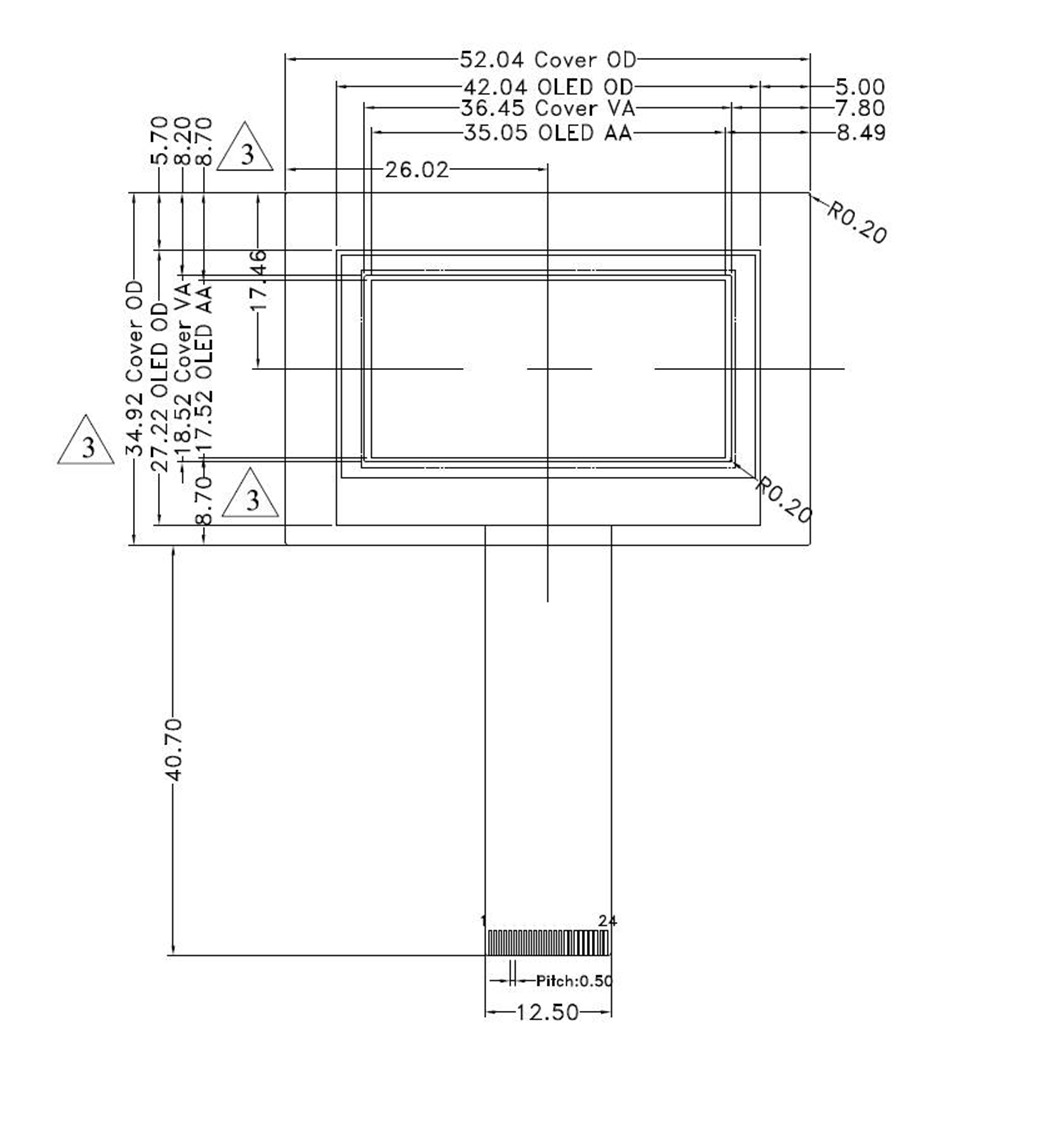
Machining tolerances
Precision machining tolerances for flat patterns.
All parts are designed as flat patterns and machined on one side wherever possible, because opposite-side machining doubles the labor required per piece. Tongues and grooves are added with a saw or a table router. When the reverse side needs features, the part is broken out and dropped into a template for the second operation.
- Machining tolerance
- ±0.2 mm (.008”)
- Template tolerance
- ±0.2 mm
- Reverse to front features
- ±0.4 mm
- Tongue
- 1.8 mm wide × 1 mm deep
- Groove
- 2 mm wide × 1.2 mm deep
- Cutters
- 2 mm single-flute carbide, 95% of the time; 3 mm and 6 mm cutters also used
- Average product
- 8 pieces in 2 thicknesses
- Setup, new part
- 30 seconds including sheet change
- Setup, new project
- 45 seconds including sheet change
Flat pattern rules
- Design every part as a flat pattern and keep machining to one side.
- Leave tongue and groove details out of your CAD when Toolless will solvent bond the assembly. We add them.
- Countersinks are added as a post operation or machined in by the CNC mill.
- Parts are not broken out until the machining process is complete, so individual parts are never handled until absolutely necessary.
- Flashing is designed to provide rigid holding points during machining and breaks out easily afterward.
- Reverse-side features are located from the template, which is why they carry the wider ±0.4 mm tolerance.
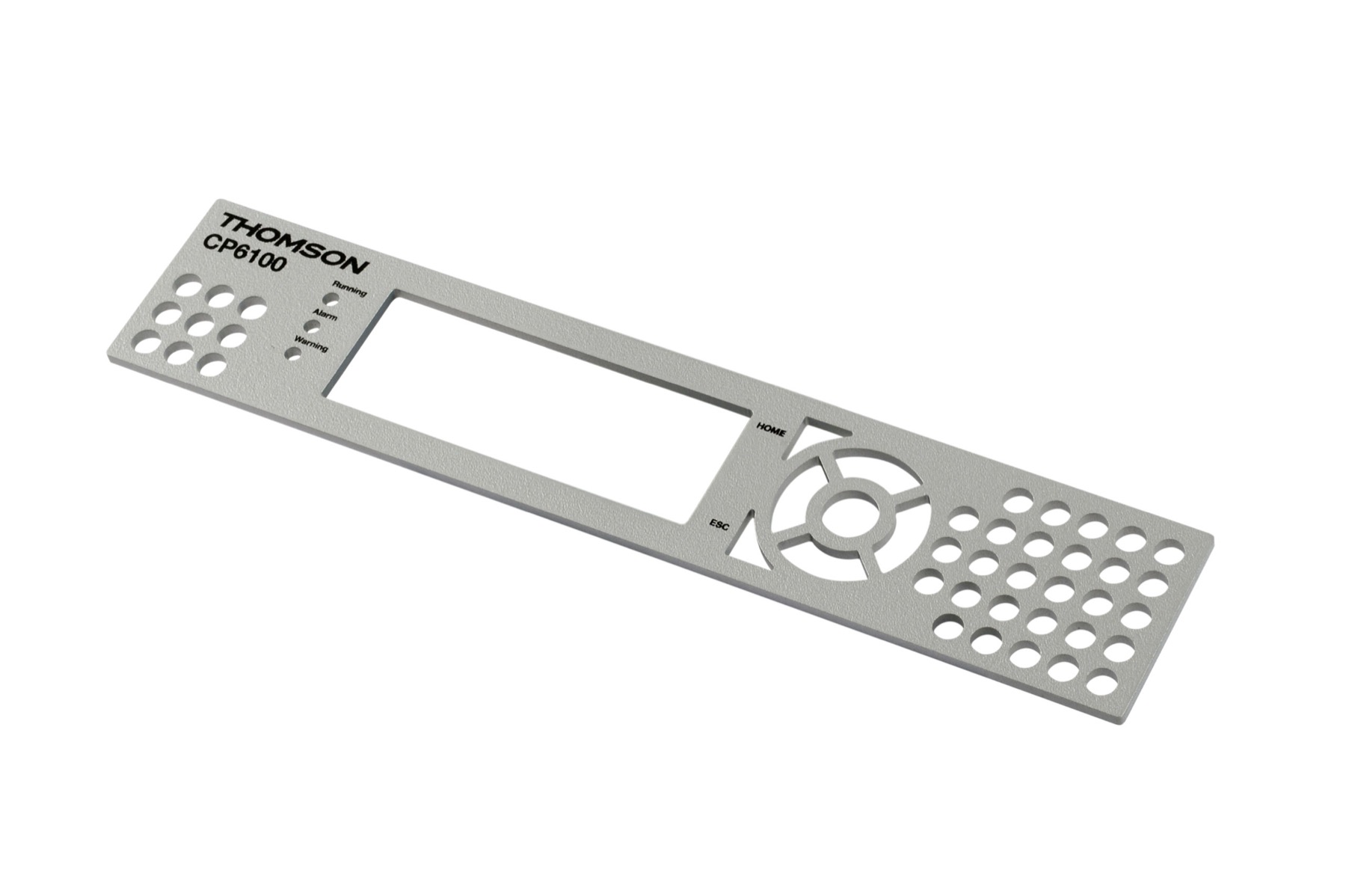
Single cutter concept
Quick, simple and the same every time.
One 2 mm single-flute carbide cutter makes 95% of the cuts in the shop. With no tool changes and no cutter resets, one person runs up to ten machines, and the sheet change plus setup for a new part takes 30 seconds. The CNC routers are optimized for speed; they are not machining centers, and plastic enclosures are their only job.
Repeatability follows from the same idea. Every feature comes from a program, not from an operator’s setup, so the part cut for a repeat order this year matches the prototype from last year. That is the basis of our blanket order program and of the ISO 9001:2015 quality system that inspects every lot.
Keep reading
More from the manufacturing process.
Design rules, hardware and comparisons with other processes. Or go back to the manufacturing process overview.
Designs and details
Machining, edge, bending and assembly rules with dimensions.
ReadFunctional features
Bosses, inserts, access doors, vents, windows and hardware.
ReadTechnology matrix
Toolless against injection molding and pressure forming, line by line.
ReadToolless vs injection molding and vacuum forming
Cost, lead time and design changes without a mold.
ReadToolless vs 3D printing
Where a bent-sheet enclosure beats a printed one.
ReadMaterials
Stocked ABS, FR ABS, Boltaron, polycarbonate, PETG and acrylic with data sheets.
ReadStart your enclosure
Send the board. We’ll send the box.
Quotes come from an engineer, not a form robot. Attach CAD, photos or a sketch and we reply within one business day.