El papel de las carcasas de plástico en la fabricación de productos electrónicos modernos
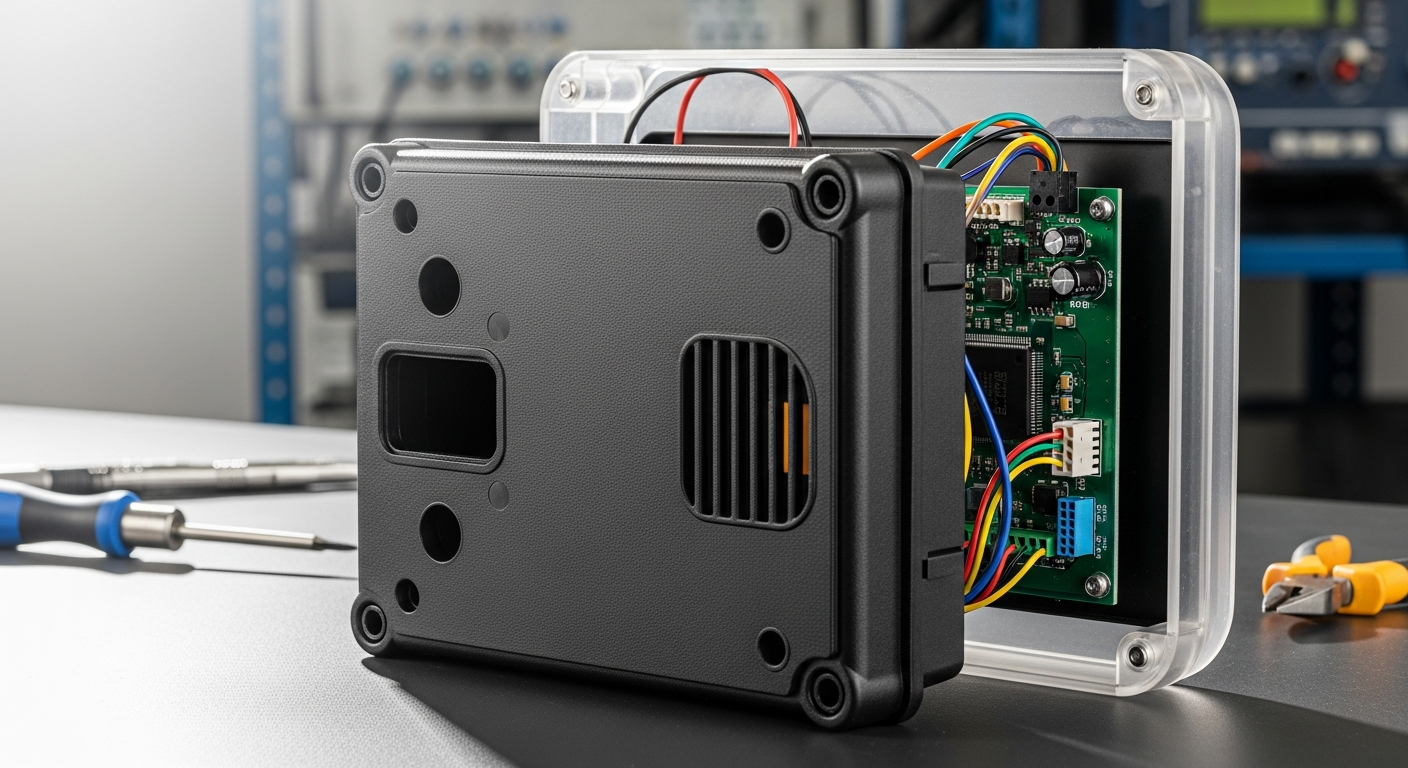
En el cambiante mundo de la fabricación de productos electrónicos, las carcasas de plástico desempeñan un papel fundamental a la hora de determinar la eficiencia y la durabilidad de los productos electrónicos. Su uso ha transformado la forma en que se ensamblan, mantienen e incluso se desechan los dispositivos, lo que las convierte en un material esencial en la industria. Al comprender las tendencias en los materiales de fabricación de productos electrónicos, podemos apreciar cómo las carcasas de plástico contribuyen a la eficiencia de los productos y a la gestión de su ciclo de vida.
Tendencias en los materiales para la fabricación de productos electrónicos
La elección de los materiales en la fabricación de productos electrónicos es fundamental, ya que hay que encontrar un equilibrio entre factores como el costo, la durabilidad y el impacto ambiental. Recientemente, se ha observado una tendencia notable hacia materiales ligeros y sostenibles. Las carcasas de plástico, en particular, han ganado popularidad debido a su versatilidad y rentabilidad. A diferencia de los metales, el plástico se puede moldear fácilmente en formas complejas, lo que ofrece flexibilidad de diseño sin comprometer la integridad estructural. A medida que los fabricantes impulsan soluciones más ecológicas, se está desarrollando tecnología avanzada de carcasas de plástico para mejorar la reciclabilidad y reducir la huella de carbono.
La contribución de las carcasas de plástico a la eficiencia
Las carcasas de plástico mejoran considerablemente la eficiencia de la fabricación de productos electrónicos de varias maneras:
- Pérdida de peso: Los materiales más ligeros permiten reducir los costos de envío y facilitan la manipulación.
- Costo-efectividad La fabricación con plástico suele ser más económica que la de metales, lo que la convierte en una opción asequible para la producción en masa.
- Flexibilidad en el diseño: El plástico se puede moldear para crear diseños complejos, lo que permite desarrollar productos con una estética y una funcionalidad innovadoras.
Toolless, líder en soluciones de carcasas de plástico a medida, pone de manifiesto estas ventajas al ofrecer diseños personalizados que satisfacen las necesidades específicas de los clientes sin los gastos generales que suponen los costes de utillaje tradicionales. Su experiencia garantiza que cada solución de carcasa maximice la eficiencia y cumpla con los altos estándares que se esperan en el competitivo mercado actual.
Repercusiones en el ciclo de vida y el mantenimiento del producto
El uso de carcasas de plástico va más allá de la fabricación inicial; desempeña un papel crucial a lo largo de todo el ciclo de vida del producto. Las carcasas de plástico suelen ser más resistentes a factores ambientales como la humedad y la corrosión, que pueden resultar perjudiciales para los componentes electrónicos. Esta durabilidad se traduce en menores necesidades de mantenimiento y una vida útil más larga del producto, lo que supone un ahorro significativo tanto para los fabricantes como para los consumidores.
Además, la avanzada tecnología de las carcasas de plástico permite desmontarlas y volver a montarlas fácilmente, lo que facilita las reparaciones y las actualizaciones. Esta adaptabilidad es especialmente importante en el dinámico sector de la electrónica, donde los rápidos avances tecnológicos exigen actualizaciones frecuentes de los productos.
Casos prácticos de implementaciones exitosas
Muchas empresas han integrado con éxito las carcasas de plástico en sus procesos de fabricación de productos electrónicos, logrando resultados notables. Por ejemplo, un fabricante líder de teléfonos inteligentes adoptó una carcasa de plástico para su nueva línea de teléfonos, lo que dio como resultado una reducción del 30 % en los costos de producción y un aumento del 15 % en la durabilidad de los dispositivos. Del mismo modo, una empresa de electrónica de consumo se asoció con Toolless para desarrollar una carcasa de plástico personalizada para su tecnología de dispositivos portátiles, mejorando tanto el atractivo estético del producto como su resistencia al desgaste ambiental.
Estos ejemplos reales ponen de relieve las ventajas concretas de las carcasas de plástico, lo que refuerza su valor como material clave en la fabricación de productos electrónicos modernos.
Tecnología avanzada de carcasas de plástico
Gracias a los avances en la ciencia de los materiales, la tecnología de las carcasas de plástico sigue evolucionando y ofrece cada vez más ventajas a los fabricantes de productos electrónicos. Se están investigando innovaciones como los plásticos biodegradables y los compuestos poliméricos mejorados para crear productos más sostenibles. Además, la tecnología de impresión 3D está revolucionando la producción de carcasas de plástico, ya que permite la creación rápida de prototipos y la personalización sin necesidad de costosos moldes.
Toolless se mantiene a la vanguardia de estos avances, ofreciendo soluciones de vanguardia que incorporan los últimos avances en tecnología de plásticos. Su compromiso con la innovación garantiza que sus clientes reciban soluciones de alojamiento que no solo son eficaces, sino también respetuosas con el medio ambiente.
Ejemplos prácticos y consejos útiles
Para los fabricantes que estén considerando pasar a las carcasas de plástico, hay varias recomendaciones prácticas que pueden servir de guía en la transición:
- Asóciese con un proveedor con experiencia como Toolless para aprovechar sus conocimientos en diseño personalizado y prototipado rápido.
- Evalúa el impacto ambiental de los distintos materiales plásticos y opta por aquellos que sean más reciclables.
- Tenga en cuenta las ventajas a largo plazo de las carcasas de plástico, como la reducción de los costos de mantenimiento y la prolongación de la vida útil de los productos.
Al poner en práctica estas estrategias, los fabricantes pueden optimizar sus procesos de producción y adaptarse a las tendencias del sector hacia la sostenibilidad y la eficiencia.

Conclusión: El futuro de las carcasas de plástico en la electrónica
A medida que la industria electrónica sigue evolucionando, el papel de las carcasas de plástico sin duda se ampliará. Sus ventajas en cuanto a eficiencia, rentabilidad y sostenibilidad lo convierten en un material indispensable para la fabricación moderna. Empresas como Toolless están a la vanguardia, ofreciendo soluciones innovadoras que satisfacen las exigencias del mercado actual y, al mismo tiempo, se preparan para los retos del futuro.
Al adoptar estos avances y alinearse con los líderes del sector, los fabricantes pueden garantizar que sus productos sigan siendo competitivos y respetuosos con el medio ambiente. Para obtener más información sobre las últimas tendencias e innovaciones en la fabricación de productos electrónicos, consulte nuestro análisis detallado en .
Como se ha comentado en , comprender los matices de la selección de materiales puede influir de manera significativa en el éxito de un producto, por lo que es imprescindible que los fabricantes se mantengan informados y sean capaces de adaptarse.